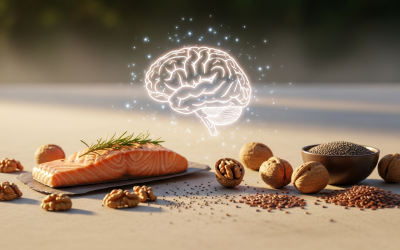


Did you know that the average American’s metabolism can slow down by up to 2% every decade after the age of 40? This alarming statistic highlights the importance of taking proactive steps to support a healthy, efficient metabolism. Fortunately, nature provides an abundance of foods that can naturally boost your metabolic rate and help you maintain optimal energy levels.
In this comprehensive guide, we’ll explore 12 scientifically-backed, metabolism-boosting foods that you can easily incorporate into your diet. From protein-rich powerhouses to thermogenic spices and gut-friendly fermented foods, we’ll uncover the secrets to revving up your metabolism and supporting overall health.
Metabolism is the critical process that determines how our bodies convert the food we consume into the energy needed to sustain life. This complex system of chemical reactions plays a vital role in maintaining our overall health and well-being. Understanding the fundamentals of metabolism is the first step in exploring how certain metabolism-boosting foods and a metabolism-friendly diet can support our fitness goals.
At its core, metabolism is the set of life-sustaining chemical transformations within the cells of living organisms. It involves the breakdown of nutrients from the food we eat, converting them into the energy required for various bodily functions, from breathing and circulation to muscle movement and brain activity.
A healthy, efficient metabolism is crucial for maintaining a balanced weight, regulating body temperature, and supporting overall physical and mental well-being. When our metabolism is working optimally, we can experience increased energy levels, better digestion, and improved muscle tone.
By understanding the fundamentals of metabolism and the factors that influence it, we can make more informed choices to support our overall health and fitness goals.
Fueling your metabolism with the right foods is a key strategy for boosting calorie burn and supporting overall health. Among the most effective dietary choices are protein-rich options, which play a vital role in revving up your metabolic engine.
Lean cuts of meat, such as chicken, turkey, and certain beef and pork varieties, are excellent sources of high-quality protein. These high-protein foods not only help build and maintain muscle mass but also increase the thermic effect of food, meaning your body burns more calories to digest and metabolize them.
Fatty fish, like salmon, tuna, and mackerel, are packed with protein and healthy omega-3 fatty acids. These foods to boost metabolism can help support thyroid function, a key player in regulating your metabolic rate. Other seafood, such as shrimp, scallops, and cod, also provide a lean protein boost.
Incorporating a variety of these protein-rich foods into your meals and snacks can help you capitalize on their metabolic-enhancing properties and support your overall health and wellness goals.
| Protein-Rich Food | Protein Content (per serving) | Additional Benefits |
|---|---|---|
| Chicken Breast | 26g (3.5 oz) | Lean, versatile, and easy to incorporate into meals |
| Salmon | 22g (3.5 oz) | Rich in omega-3 fatty acids, which support heart and brain health |
| Lentils | 18g (1 cup cooked) | High in fiber and complex carbohydrates to support sustained energy |
| Almonds | 6g (1 oz) | Provide healthy fats, fiber, and a satisfying crunch |
Incorporating spicy foods into your diet can provide a natural metabolic boost. Two key players in this thermogenic effect are chili peppers and pungent condiments like mustard and horseradish. These “thermogenic foods” contain compounds that can temporarily increase your body’s calorie-burning abilities, making them a valuable addition to a metabolism-boosting regimen.
The secret weapon in chili peppers is a compound called capsaicin. This fiery phytochemical has been shown to raise body temperature and heart rate, leading to a temporary increase in metabolism. Studies suggest that consuming chili peppers can help the body burn an extra 10-50 calories per meal. The hotter the pepper, the more pronounced the effect, so don’t be afraid to add a sprinkle of crushed red pepper flakes or a few slices of jalapeño to your meals.
Similar to chili peppers, the pungent compounds in mustard and horseradish can also provide a metabolic lift. Allyl isothiocyanate, the compound responsible for their signature spicy kick, has been found to increase thermogenesis and fat oxidation. Adding a dollop of Dijon mustard or a grated touch of horseradish to your dishes can be a simple way to incorporate these thermogenic foods into your routine.
Whether you prefer the fiery heat of chili peppers or the zesty bite of mustard and horseradish, spicy foods can be a valuable addition to your diet for those seeking a natural metabolic boost. Experiment with different spicy ingredients to find what works best for you and your taste buds.
When it comes to revving up your metabolism, whole grains are a powerful ally. These nutrient-dense foods are not only rich in complex carbohydrates but also require more energy for your body to digest and absorb, making them a metabolism-friendly addition to your diet.
Quinoa, often referred to as a “superfood,” is a versatile whole grain that’s packed with nutrients. This gluten-free grain is a complete protein, meaning it contains all the essential amino acids your body needs. Quinoa is also high in fiber, which helps slow the absorption of carbohydrates, leading to a steadier release of energy and a more stable blood sugar level.
Another whole grain that can give your metabolism a boost is brown rice. Unlike its refined counterpart, white rice, brown rice retains its outer bran and germ layers, which are rich in fiber, vitamins, and minerals. The extra time and effort your body needs to break down the complex carbohydrates in brown rice can contribute to a higher calorie burn during the digestive process.
Incorporating these nutrient-dense whole grains into your meals is a simple way to support your metabolism and fuel your body with sustained energy throughout the day.
Contrary to popular belief, not all fats are created equal. Certain healthy fats can actually contribute to a faster metabolism and more effective fat-burning. Let’s explore some of the top metabolism-boosting foods rich in these beneficial fats.
Avocados are a potent source of monounsaturated fats, which have been shown to support hormone production and nutrient absorption. This helps regulate the body’s metabolic processes, ultimately leading to more efficient fat-burning. Incorporating avocado into your diet, whether in salads, sandwiches, or as a dip, can be a simple way to give your metabolism a natural boost.
From almonds and walnuts to chia and flax seeds, these nutrient-dense foods are packed with healthy fats, protein, and fiber – all of which can contribute to a faster metabolism. The healthy fats in nuts and seeds can help promote feelings of fullness, reducing the temptation for unhealthy snacking and supporting overall weight management.
Olive oil is another excellent source of metabolism-boosting monounsaturated fats. Not only does it provide healthy fats, but it also contains antioxidants that can support overall health. Drizzling olive oil on your salads, vegetables, or using it for cooking can be an easy way to incorporate this metabolism-friendly fat into your diet.
By making these healthy fats a regular part of your diet, you can support your body’s natural fat-burning and metabolism-boosting processes. Incorporating a variety of these nutrient-dense foods can help you feel more energized and support your overall health and wellness goals.
When it comes to foods that can help boost your metabolism, fruits are a delightful and nutrient-dense addition to your diet. Several types of fruits are known for their metabolism-enhancing properties, each offering unique benefits to support your overall health and well-being.
Berries, such as blueberries, raspberries, and blackberries, are packed with fiber, antioxidants, and compounds that may help increase your metabolic rate. The high fiber content in berries can promote feelings of fullness, which can in turn help regulate your appetite and support weight management. Additionally, the antioxidants found in these nutrient-dense foods may play a role in enhancing your body’s ability to burn calories.
Crisp and juicy apples are another foods that speed up metabolism. These fruits are rich in pectin, a type of fiber that can help slow down the digestion process, leading to a steadier release of energy. Apples also contain quercetin, a compound that may boost metabolism by supporting the body’s fat-burning mechanisms.
Grapefruit is a citrus fruit that has been studied for its potential to support metabolic health. The compound naringenin, found in grapefruit, has been shown to have a positive effect on the body’s ability to regulate blood sugar levels and fat metabolism. Incorporating grapefruit into your diet can be a refreshing and beneficial way to give your metabolism a natural boost.
By incorporating these nutrient-dense foods into your daily routine, you can harness the power of fruits to help speed up your metabolism and support your overall health and well-being.
Incorporating a wide variety of nutrient-dense foods into your metabolism-friendly diet is essential for boosting your overall metabolic health. Among the most beneficial vegetable groups are leafy greens and cruciferous vegetables, which offer a wealth of essential nutrients and potential metabolic advantages.
Leafy greens, such as spinach, kale, and Swiss chard, are powerhouses of nutrition. They are packed with fiber, vitamins, and minerals that can support a healthy metabolism. Specifically, these vegetables are rich in magnesium, a mineral that plays a crucial role in energy production and regulation of blood sugar levels.
The cruciferous vegetable family, which includes broccoli, Brussels sprouts, cauliflower, and cabbage, are equally beneficial for metabolism. These nutrient-dense foods contain compounds like glucosinolates and sulforaphane, which have been shown to enhance the body’s detoxification processes and support healthy liver function, both of which are essential for maintaining a robust metabolism.
Incorporating a variety of leafy greens and cruciferous vegetables into your daily diet can provide a valuable boost to your metabolism-friendly diet and overall well-being. By prioritizing these nutrient-dense foods, you can take a significant step towards optimizing your metabolic health.
In the quest to boost metabolism naturally, green tea emerges as a versatile and potent ally. This ancient beverage is rich in bioactive compounds, particularly catechins and caffeine, which play a crucial role in revving up the body’s calorie-burning capabilities.
Green tea’s metabolism-boosting powers stem from its unique chemical composition. The catechins found in green tea, notably EGCG (epigallocatechin gallate), have been shown to enhance fat oxidation and increase energy expenditure. Furthermore, the moderate amount of caffeine in green tea can provide an additional metabolic boost, stimulating the body to burn more calories throughout the day.
Incorporating green tea into your daily routine is a simple and effective way to support your metabolism. Here are some tips to help you get the most out of this powerful beverage:
By making green tea a regular part of your diet, you can leverage its unique properties to boost your metabolism and support your overall health and wellness.
Gut health plays a crucial role in our overall well-being, and it can have a significant impact on our metabolism. Fermented foods, such as yogurt, sauerkraut, and kimchi, are powerhouses when it comes to supporting a healthy gut and potentially boosting metabolism.
Yogurt is a fermented dairy product teeming with beneficial probiotics, live bacteria that can help restore the balance of gut flora. These probiotics not only aid digestion but may also contribute to a healthy metabolism by improving nutrient absorption and supporting the immune system.
Sauerkraut, a traditional fermented cabbage dish, is another metabolism-boosting food rich in probiotics. The fermentation process enhances the cabbage’s nutrient profile, making it a valuable source of fiber, vitamins, and minerals that can support overall metabolic function.
Kimchi, a spicy fermented vegetable dish from Korea, is a nutrient-dense addition to any diet. The combination of probiotic-rich fermentation and the thermogenic properties of chili peppers may help to boost metabolism and promote weight management.
Incorporating these fermented foods into your diet can be a delicious and effective way to support your gut health and potentially give your metabolism a natural boost. Start small and experiment with different ways to incorporate these metabolism-boosting foods into your meals.
Maintaining proper hydration is a crucial aspect of a metabolism-friendly diet and overall metabolic health. Water plays a vital role in supporting the body’s natural processes, including the regulation of metabolism.
Water is essential for the body’s cellular functions, and it has a direct impact on metabolic rate. Drinking enough water can temporarily boost metabolism by increasing the body’s ability to burn calories. Staying hydrated also helps the body to efficiently process and utilize nutrients, which is essential for a healthy metabolism.
By prioritizing hydration and incorporating water-rich foods to boost metabolism, individuals can support their overall metabolic health and potentially experience the benefits of a temporary metabolic boost.
| Benefits of Staying Hydrated | Impact on Metabolism |
|---|---|
| Supports cellular function | Helps regulate body temperature |
| Aids in nutrient absorption | Temporarily boosts calorie burn |
| Regulates body temperature | Enhances overall metabolic function |
While a balanced, metabolism-boosting diet is crucial, it’s equally important to adopt a holistic approach to enhancing your metabolic health. Incorporating key lifestyle changes can provide a comprehensive solution to revving up your metabolism and achieving your fitness goals.
Engaging in regular physical activity is one of the most effective ways to boost your metabolism. Incorporating a mix of cardiovascular exercises, strength training, and high-intensity interval training (HIIT) can help you burn calories, build lean muscle mass, and keep your metabolism firing on all cylinders.
Adequate sleep and proper recovery are often overlooked, yet they play a vital role in maintaining a healthy metabolism. Aim for 7-9 hours of quality sleep each night, as sleep deprivation can disrupt the hormones that regulate your metabolism. Additionally, give your body the rest it needs between workouts to allow for muscle repair and recovery.
Chronic stress can have a detrimental effect on your metabolism, as it can lead to increased cortisol levels and disrupt your body’s natural hormonal balance. Incorporate stress-reducing activities, such as meditation, yoga, or deep breathing exercises, to help keep your metabolism-boosting efforts on track.
By integrating these lifestyle changes with a nutrient-dense, metabolism-boosting diet, you can create a holistic approach to optimizing your metabolic health and achieving your fitness goals.
In our exploration of the 12 foods that can naturally boost your metabolism, we’ve discovered a wealth of options to incorporate into a balanced, metabolism-friendly diet. From protein-rich lean meats and seafood to spicy chili peppers and the antioxidant-packed powers of green tea, each food item offers unique benefits for revving up your body’s calorie-burning potential.
However, it’s important to remember that a healthy metabolism is not solely dependent on the foods you consume. Lifestyle factors, such as regular exercise, adequate sleep, and effective stress management, also play a crucial role in maintaining a well-functioning metabolism. By adopting a holistic approach that combines a diverse array of metabolism-boosting foods with an overall healthy lifestyle, you can unlock the full potential of your body’s natural calorie-burning abilities.
As you embark on your journey to boost your metabolism, be mindful of incorporating a variety of the foods highlighted throughout this article. Experiment with different combinations, flavors, and cooking methods to find what works best for your taste preferences and individual needs. Remember, a balanced, metabolism-friendly diet is not about restrictive measures, but rather about embracing a wide range of nutrient-dense, whole foods that can support your overall health and well-being.
Some of the top foods that can help boost metabolism include lean proteins, spicy foods, whole grains, healthy fats, and various fruits and vegetables like berries, apples, grapefruit, leafy greens, and cruciferous vegetables.
Protein-rich foods, such as lean meats, fish, and plant-based proteins, can help boost metabolism because they have a higher thermic effect of food. This means your body burns more calories to digest and metabolize protein compared to carbohydrates or fats.
Spicy foods, particularly those containing capsaicin like chili peppers, can temporarily increase your metabolic rate. Capsaicin is a compound that has been shown to have thermogenic properties, meaning it can slightly raise your body temperature and energy expenditure.
Whole grains, such as quinoa and brown rice, are considered metabolism-friendly because they are complex carbohydrates that require more energy to digest. They also provide fiber, which can help promote feelings of fullness and support overall gut health, both of which can contribute to a healthy metabolism.
Healthy fats from sources like avocados, nuts, seeds, and olive oil can help support hormone production, which is crucial for regulating metabolism. They can also enhance nutrient absorption and provide sustained energy, contributing to a healthy metabolic rate.
Fruits and vegetables, particularly berries, apples, grapefruit, leafy greens, and cruciferous vegetables, are rich in fiber, antioxidants, and other unique compounds that may help support a healthy metabolism. Their nutrient density and low calorie content make them excellent additions to a metabolism-boosting diet.
Green tea contains compounds like catechins and caffeine that have been shown to temporarily increase metabolic rate. Drinking green tea can provide a mild metabolic boost, and it may also support overall health and weight management when incorporated into a balanced diet and lifestyle.
Fermented foods like yogurt, sauerkraut, and kimchi contain probiotics that can support gut health. Maintaining a healthy gut microbiome is important for overall metabolic function, as there is a strong connection between gut health and metabolism.
Proper hydration is crucial for maintaining a healthy metabolism. Drinking enough water can temporarily boost metabolic rate, and it also supports various bodily functions that contribute to overall metabolic health, such as temperature regulation.
In addition to a healthy, metabolism-friendly diet, regular exercise, adequate sleep, and effective stress management are important lifestyle factors that can complement and support a healthy metabolism. Taking a holistic approach is key for optimizing metabolic function.
Posted 10:08 am | Wednesday, 04 December 2024
| nm