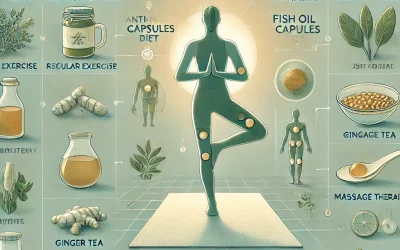


First and foremost, mental health refers to your emotional, psychological, and social well-being. It affects how you think, feel, and behave in daily life. Without good mental health, even simple tasks can feel overwhelming.
In essence, mental health is the foundation of your overall well-being. It influences your relationships, work, and ability to cope with stress. In other words, a healthy mind enables you to enjoy life and tackle challenges effectively.
Your daily habits play a vital role in shaping your mental state. For instance, poor lifestyle choices can act as barriers to mental clarity and positivity. On the other hand, healthy routines pave the way for better mental well-being.
For example, feeling constantly stressed, anxious, or burned out might indicate poor mental health. These signs shouldn’t be ignored, as they could worsen over time.
To put it simply, exercise is like a magic pill for your brain. It releases endorphins, the feel-good chemicals, that improve your mood and reduce stress. Additionally, regular exercise boosts your energy levels and promotes better sleep.
However, you don’t need a fancy gym membership to start. Simple activities, such as brisk walking, yoga, or dancing in your living room, can make a significant difference.
Next, let’s talk about food. Certain foods, such as fatty fish, nuts, seeds, berries, and leafy greens, are packed with nutrients that support brain function.
Conversely, you should avoid foods high in sugar, processed ingredients, and unhealthy fats. These foods can leave you feeling sluggish and unfocused.
Above all, sleep is essential for a healthy mind. Poor sleep can lead to irritability, brain fog, and even depression. During sleep, your brain recharges and processes emotions.
To improve your sleep, start by creating a calming bedtime routine. For example, avoid screens an hour before bed and keep your room dark and quiet. Small changes can lead to significant improvements.
Moreover, human connection is critical for mental well-being. Isolation often magnifies mental health struggles, whereas strong relationships act as a buffer.
For instance, spend quality time with loved ones, engage in open conversations, and show appreciation. Even small acts of kindness can strengthen your relationships.
Let’s face it: stress is unavoidable. But when it becomes chronic, it can wreak havoc on your mental health. Prolonged stress may lead to anxiety, depression, or even physical illnesses.
Thankfully, there are simple ways to manage stress. For instance, try deep breathing exercises, journaling, or practicing yoga. Additionally, taking regular breaks and prioritizing self-care can make a world of difference.
Mindfulness is like hitting the pause button on a chaotic day. It helps you focus on the present moment, reducing stress and increasing clarity.
Start small. For example, spend 5 minutes each day focusing on your breath. Over time, this simple practice can significantly improve your mental health.
Interestingly, nature has a calming effect on the mind. Spending time outdoors reduces stress and boosts your mood. Think of it as free therapy provided by the earth.
To reap the benefits, try activities like hiking, gardening, or even having a picnic in the park. The goal is to connect with nature and let it work its magic.
In today’s digital world, it’s easy to get overwhelmed by constant notifications and social media. However, excessive screen time can overstimulate your brain and lead to anxiety.
To combat this, consider setting limits on your screen time. For instance, use apps to track your usage or designate tech-free hours in your day.
Creativity isn’t just for artists. Engaging in creative activities allows you to express yourself and relieve stress. It’s like a workout for your mind.
Whether it’s painting, writing, or learning to play an instrument, find a creative outlet that brings you joy.
Believe it or not, practicing gratitude can physically change your brain. It shifts your focus from negativity to positivity, making you feel happier overall.
For example, keep a gratitude journal where you jot down three things you’re thankful for each day. It’s a small habit with big results.
Think of your body and mind as a team. If one suffers, the other follows. Maintaining good physical health supports mental wellness and vice versa.
Make it a point to stay active, eat nutritious meals, and hydrate regularly. These basics go a long way.
While natural remedies are helpful, there are times when professional support is necessary. For instance, if you’re feeling persistently overwhelmed or hopeless, reach out.
Fortunately, there are many options, including therapists, counselors, and support groups. Never hesitate to ask for help—it’s a sign of strength, not weakness.
Remember, everyone’s mental health journey is unique. Take the time to identify what works best for you, whether it’s exercise, mindfulness, or therapy.
Finally, consistency is key. Small, regular actions lead to lasting improvements. Stick with your plan, and you’ll see progress over time.
Improving your mental health naturally doesn’t require drastic changes. Instead, focus on small, consistent habits that uplift your mood and enhance your well-being. From taking a walk in nature to practicing gratitude, every step counts. Above all, remember that you’re not alone in this journey. Start today, and your mind will thank you!
Posted 4:28 pm | Friday, 13 December 2024
TheGangchil | nm