

On a quiet Sunday morning in Seattle, a young mother notices she feels calmer after a simple breakfast of yogurt and fruit. She cannot explain why, only that her mood feels steadier than usual. Meanwhile, in Copenhagen, a graduate student struggling with anxiety realizes his stomach discomfort often appears before stressful thoughts take over. These moments point to something science now understands far better than before. The mind does not work alone. It listens closely to the body, especially the gut. This is why gut-brain connection foods for emotional resilience are becoming central to modern wellness conversations.
For years, emotional health focused almost entirely on the brain. Today, researchers recognize that the digestive system plays an active role in mood, stress response, and even decision-making. The gut produces neurotransmitters, communicates with the brain through nerves, and hosts bacteria that influence inflammation and hormone balance. Food and supplement choices shape this ecosystem every day, often without us realizing.
This article follows real-life experiences, current research, and gentle routines that fit into everyday schedules. The goal is not to chase perfect diets, but to build quiet support for emotional strength through simple nourishment.
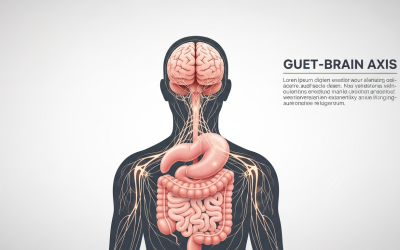
The gut and brain communicate through what scientists call the gut-brain axis. This system includes the vagus nerve, immune signaling, and chemical messengers produced by gut bacteria. Together, they influence how the brain processes stress and emotions.
Researchers at Harvard Medical School explain that nearly ninety percent of serotonin, a neurotransmitter linked to mood stability, is produced in the gut. While this serotonin does not cross directly into the brain, it influences nerve pathways that shape emotional regulation. This connection explains why digestive discomfort and emotional distress often appear together.
In everyday terms, this means that when digestion feels unsettled, emotional reactions may feel stronger. Many people notice irritability during stomach issues or feel anxious when digestion slows. These experiences are not imagined. They reflect real biological communication.
Understanding this connection helps shift how people view emotional health. Instead of seeing feelings as isolated mental events, they begin to see them as whole-body experiences influenced by nutrition, sleep, and stress patterns.
Inside the digestive tract live trillions of microorganisms that help break down food, produce vitamins, and regulate immune responses. These bacteria also influence neurotransmitter production and inflammation, both of which affect mood.
A large 2024 study published in Nature Mental Health found that individuals with greater gut microbiome diversity reported lower perceived stress and more emotional stability over time. Participants who increased plant variety in their diets showed measurable changes in gut bacteria within eight weeks.
In Rotterdam, a middle-aged office worker added more vegetables, legumes, and fermented foods to his meals after recurring digestive discomfort. Months later, he noticed improved digestion and fewer mood swings during busy workweeks. He did not expect emotional benefits from dietary changes, yet they became part of his experience.
Gut bacteria respond quickly to dietary shifts. While long-term habits shape lasting balance, small changes often begin influencing digestion and mood within days or weeks. This responsiveness makes nutrition a powerful, accessible tool for emotional support.
Fermented foods introduce beneficial bacteria that support microbiome balance. Yogurt, kefir, kimchi, sauerkraut, and miso have long histories in traditional diets linked to longevity and emotional wellbeing.
Researchers from University College Cork, home to leading psychobiotics research, found that fermented food consumption correlated with reduced social anxiety in young adults. These findings suggest that certain bacteria influence how the brain processes stress signals.
In Munich, a university student began eating yogurt and fermented vegetables during exam season after experiencing digestive discomfort. She noticed not only fewer stomach issues but also a calmer response to academic pressure. While she still felt nervous, her emotional recovery felt faster.
Fermented foods do not act as instant cures. Instead, they support gradual shifts in gut balance that influence emotional resilience over time. Many people find that regular intake supports steadier moods when combined with balanced meals and rest.
Dietary fiber feeds beneficial gut bacteria, allowing them to produce short-chain fatty acids that reduce inflammation and support brain health. These compounds also strengthen the gut lining, preventing inflammatory signals from reaching the bloodstream.
A 2023 review in Nutrients Journal reported that higher fiber intake was associated with lower levels of anxiety and depression symptoms in adults. Researchers suggest that fiber’s role in stabilizing blood sugar and supporting microbiome diversity both contribute to these effects.
In Lyon, a freelance writer increased her intake of whole grains, beans, and vegetables after struggling with afternoon fatigue and irritability. Over several weeks, her energy stabilized, and emotional dips became less intense. She did not change her workload, only her meal structure.
Fiber does not draw attention to itself, yet it quietly supports the environment where emotional balance grows. Its benefits build slowly, which is why consistency matters more than short-term changes.
Omega-3 fatty acids support brain cell membranes and reduce inflammation, both of which influence mood regulation. These fats also interact with gut bacteria, shaping the types of microbes that thrive.
A 2022 meta-analysis in Translational Psychiatry found that individuals with higher omega-3 intake showed lower rates of mood disturbances related to chronic stress. While supplements were included in some studies, many benefits came from dietary sources such as fatty fish, seeds, and nuts.
In Lisbon, a woman managing postpartum emotional changes focused on adding simple omega-3-rich foods to her meals rather than relying solely on supplements. Over time, she noticed steadier moods and improved mental clarity during demanding days.
Food and supplement strategies both have roles, yet many clinicians recommend prioritizing whole foods when possible. Whole foods offer additional nutrients that work together in complex ways science continues to explore.
Daniel, a software developer in San Francisco, struggled with anxiety that seemed unrelated to work or relationships. Therapy helped him understand emotional triggers, yet physical symptoms persisted. He often experienced digestive discomfort before anxious thoughts intensified.
His physician suggested evaluating diet alongside therapy. Daniel reduced highly processed foods and added fermented items, fiber-rich meals, and regular hydration. Changes felt subtle at first. After two months, digestive symptoms eased, and anxiety episodes became less frequent.
By six months, Daniel reported improved sleep and emotional stability. Therapy remained important, yet he felt his body now supported his mental progress instead of resisting it.
This case reflects growing clinical recognition that mental health treatment benefits from addressing physical systems, especially digestion and inflammation.
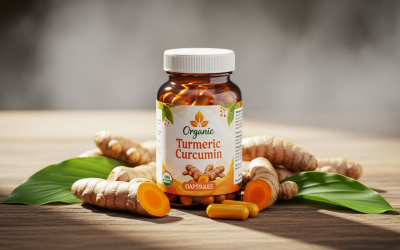
While whole foods remain foundational, supplements sometimes support specific deficiencies that affect emotional wellbeing. Probiotics, magnesium, vitamin D, and certain B vitamins have shown links to mood regulation in clinical research.
A 2024 review by the American Psychiatric Association noted that targeted supplementation may benefit individuals with confirmed deficiencies or digestive disorders that limit nutrient absorption. However, blanket supplementation without guidance may not provide meaningful benefits.
In Brussels, a woman with low vitamin D levels experienced mood improvement after physician-guided supplementation combined with dietary adjustments. Her case highlights the importance of testing and personalized care rather than relying on trends.
Food and supplement strategies work best when aligned with individual needs and professional guidance. Supplements support, but they do not replace, the broader dietary patterns that shape gut health.
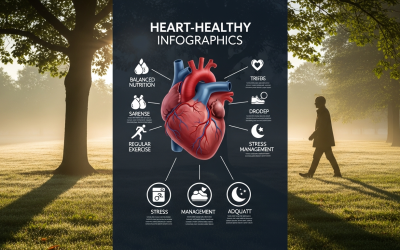
Nutrition does not work in isolation. Sleep quality, physical activity, and stress management all influence gut health and emotional resilience. The gut microbiome responds to lifestyle patterns as much as to food.
A 2023 study from Stanford University found that moderate exercise increased beneficial gut bacteria associated with reduced inflammation. Participants who combined movement with balanced diets showed stronger mood improvements than those who changed diet alone.
In Helsinki, a remote worker added short daily walks and consistent meals to his routine. He noticed that digestion felt smoother and emotional tension eased during long workdays.
These habits support gut-brain communication by reducing stress hormones and improving blood flow to digestive organs. Over time, they create an environment where beneficial bacteria thrive.
Readers exploring holistic daily routines often find helpful guidance at
https://thegangchil.com/wellness/ where nutrition, movement, and emotional health intersect naturally.
Many traditional diets unintentionally support gut health. Mediterranean meals emphasize vegetables, legumes, olive oil, and fermented dairy. East Asian cuisines include fermented soy and vegetable dishes. African and Middle Eastern diets often feature fiber-rich grains and beans.
The World Health Organization notes that traditional dietary patterns often align with lower rates of inflammatory diseases and better mental health outcomes. These diets evolved around local foods that naturally support digestion and immunity.
In multicultural cities like London and Toronto, people often blend traditional meals with modern convenience foods. Preserving nourishing cultural dishes can support emotional wellbeing while maintaining personal identity.
Food carries memory and comfort. When meals feel familiar and satisfying, emotional balance improves not only through nutrients but through psychological reassurance.
Lasting change rarely comes from strict plans. It grows from habits that fit into real schedules. Sustainable routines focus on repeatable actions rather than perfect meals.
Many people begin with one adjustment, such as adding fermented foods several times per week or increasing vegetable portions gradually. Others focus on regular meal timing to stabilize digestion and mood.
In Austin, a busy entrepreneur started preparing simple lunches at home instead of skipping meals. This shift stabilized energy and reduced evening emotional crashes. Small changes created ripple effects across her work and personal life.
Consistency builds trust between body and mind. Over time, emotional reactions soften because the nervous system feels supported rather than strained.
For readers seeking practical wellness strategies, lifestyle features at
https://thegangchil.com/healthy-lifestyle/ often explore simple routines that sustain long-term health.
Emotional resilience does not come from willpower alone. It grows from systems working together, including the digestive system that communicates constantly with the brain. Gut-brain connection foods for emotional resilience offer gentle, reliable support for mental balance without demanding dramatic lifestyle changes.
When digestion improves, mood often follows. When inflammation decreases, emotional recovery becomes easier. When meals provide steady nourishment, stress feels less overwhelming.
You do not need perfect eating habits to feel better. You only need supportive patterns that return again and again. If you would like to explore more ways to strengthen everyday wellbeing, you may find helpful guidance at
https://thegangchil.com/health/ where nutrition and emotional wellness meet naturally.
Your body listens to what you offer it. Over time, it often responds with steadier calm.
Can improving gut health really affect emotions?
Research suggests that gut bacteria influence neurotransmitters and inflammation, both of which affect mood and stress response.
Are probiotics necessary for emotional wellbeing?
Many people benefit from probiotic foods rather than supplements. Supplements may help in specific cases under medical guidance.
How long does it take to notice mood changes from diet?
Some people notice digestive improvements within days, while emotional changes often appear over several weeks of consistent habits.
Can supplements replace healthy eating for gut-brain support?
Supplements may support deficiencies, but whole foods provide complex nutrients that work together in ways supplements cannot fully replicate.
Harvard Medical School, The Gut-Brain Connection
https://www.health.harvard.edu
Nature Mental Health, Diet Diversity and Microbiome Study, 2024
https://www.nature.com
University College Cork, Psychobiotics and Anxiety Research
https://www.ucc.ie/en/apc
Nutrients Journal, Fiber Intake and Mental Health Review, 2023
https://www.mdpi.com/journal/nutrients
Translational Psychiatry, Omega-3 and Mood Meta-analysis, 2022
https://www.nature.com/tp
American Psychiatric Association, Nutrition and Mental Health Review, 2024
https://www.psychiatry.org
World Health Organization, Diet and Mental Health Global Review
https://www.who.int
Posted 9:47 pm | Sunday, 18 January 2026
| nm