
Meditation retreats and programs in Europe are quietly transforming how people approach health and wellness. Across the continent, from the forests of Scandinavia to the hills of southern Spain, individuals are stepping away from digital overload and emotional exhaustion. They arrive not seeking escape, but clarity.
For many, the decision follows a familiar pattern. Chronic stress, anxiety, or emotional burnout slowly builds until daily life feels heavy. Research from the World Health Organization shows stress-related mental health concerns continue to rise across Europe and North America. As a result, more people are turning toward structured meditation retreats that combine mental health support with restorative environments.
Unlike casual wellness getaways, European meditation programs emphasize depth, discipline, and balance. They blend ancient mindfulness traditions with modern psychological understanding. This balance makes them appealing to people seeking sustainable change rather than short-term relief.
Mental health sits at the center of most meditation retreats and programs in Europe. These spaces are designed to calm the nervous system while gently rebuilding emotional resilience. Participants often arrive feeling mentally scattered, emotionally fatigued, or disconnected from their own bodies.
Research published in The Lancet Psychiatry suggests structured mindfulness practices significantly reduce symptoms of anxiety and depression. In retreat settings, this effect deepens because distractions are removed. Silence, guided meditation, and nature work together to slow mental patterns that usually go unnoticed.
Participants often report subtle but powerful shifts. Sleep improves. Emotional reactions soften. Thoughts feel less overwhelming. These changes happen not because life problems disappear, but because the mind becomes steadier when facing them.
Many retreats also integrate gentle movement, breathing practices, and mindful nutrition. This mirrors holistic approaches explored in our guide on stress and nutrition balance, where mental clarity grows alongside physical care.
https://thegangchil.com/stress-and-nutrition-balance-tips-for-a-healthier-life/
Health and wellness culture in Europe differs from fast-paced, results-driven models often seen elsewhere. Meditation retreats here tend to emphasize patience and long-term integration. Rather than promising instant transformation, they focus on gradual internal change.
In countries like Germany and Switzerland, retreats often collaborate with licensed therapists or wellness physicians. In Spain, Portugal, and Italy, programs frequently integrate Mediterranean lifestyle principles, combining meditation with rest, sunlight, and natural food.
A 2023 European Wellness Tourism report noted that over 60 percent of retreat participants return home continuing daily mindfulness practices. This long-term commitment reflects how these programs prioritize sustainability rather than intensity.
For many people, this approach feels safer and more realistic. It respects individual limits and acknowledges that healing rarely follows a straight line.
Consider the experience of a corporate consultant from Amsterdam who attended a ten-day silent meditation retreat in southern Spain. Years of professional pressure had led to anxiety, insomnia, and emotional detachment.
During the retreat, days followed a simple rhythm of sitting meditation, mindful walking, and reflective journaling. Initially, the silence felt uncomfortable. By the fourth day, however, emotional clarity began to surface.
By the end of the program, the participant reported improved sleep, reduced anxiety, and a renewed ability to focus. Follow-up evaluations three months later showed continued benefits, including lower stress markers and improved emotional regulation.
This experience mirrors findings from mindfulness-based stress reduction studies published by Harvard Medical School, which highlight the effectiveness of immersive meditation programs for burnout recovery.
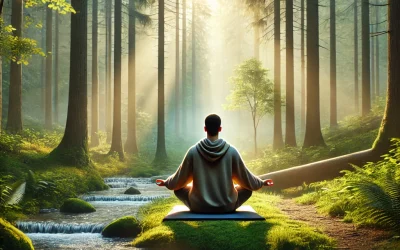
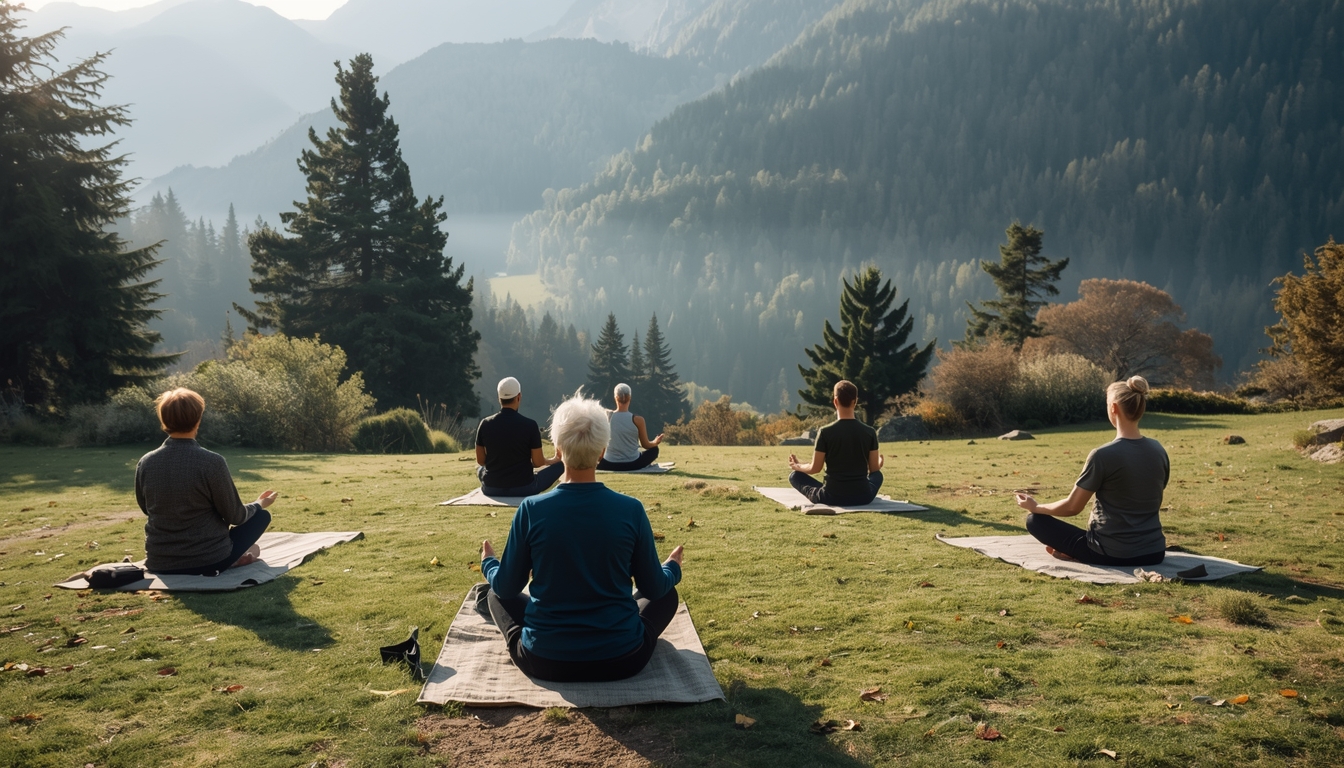
One defining feature of meditation retreats and programs in Europe is their close relationship with nature. Forests, coastlines, mountains, and countryside settings play an active role in the healing process.
Studies from the European Environment Agency show that exposure to natural environments lowers cortisol levels and supports mental health recovery. Retreats intentionally schedule outdoor meditation, walking practices, and silent reflection to harness these benefits.
Participants often describe a renewed sense of grounding. Nature becomes a mirror, reflecting internal stillness. This connection aligns with holistic wellness approaches explored in yoga and natural therapies, where gentle movement and environment support emotional balance.
https://thegangchil.com/yoga-and-natural-therapies-for-chronic-fatigue-path-to-renewed-health/
Effective meditation programs focus not only on the retreat experience but also on life afterward. Many European retreats provide structured frameworks to help participants integrate mindfulness into daily routines.
Guided morning practices, mindful eating, and evening reflections are introduced gradually. This structure builds confidence rather than overwhelm. Research suggests routines rooted in simplicity are more likely to be maintained long term.
Participants often leave with personalized meditation plans that fit realistic schedules. This approach supports mental health continuity, reducing the risk of returning to old stress patterns.
Those interested in building gentle daily mindfulness habits can also explore practical techniques discussed in our mindfulness meditation guide.
https://thegangchil.com/daily-mindfulness-meditation-techniques/
Many people hesitate before attending meditation retreats. Fear of silence, emotional discomfort, or isolation often arises. European programs tend to address these concerns openly.
Facilitators emphasize that emotional fluctuations are normal. Support systems remain available throughout the retreat. Silence is introduced gradually, allowing participants time to adjust.
Research from the University of Oxford shows that structured mindfulness environments reduce emotional avoidance, helping individuals process thoughts safely. This reassurance encourages participants to engage more fully without pressure.
Scientific evidence continues to validate the benefits of meditation retreats. A 2024 review in Frontiers in Psychology found immersive meditation programs significantly improved emotional regulation and reduced anxiety symptoms.
European studies also highlight improvements in attention span, mood stability, and sleep quality. These outcomes reinforce why meditation retreats are increasingly recommended as complementary mental health support.
Importantly, these programs do not replace professional medical care. Instead, they enhance overall wellbeing by strengthening mental resilience and self-awareness.
Choosing a retreat requires reflection. Different programs serve different needs. Some focus on silence and introspection. Others blend meditation with movement, therapy, or creative expression.
Many people benefit from programs that align with their current mental health needs rather than idealized goals. Honest self-assessment helps ensure a supportive experience.
Exploring holistic mental wellness resources can also guide this decision process.
https://thegangchil.com/yoga-for-mental-health-find-your-inner-balance-today/
Meditation retreats and programs in Europe offer more than temporary escape. They provide structured, research-supported environments where mental health, emotional clarity, and sustainable wellness grow together.
For many, these retreats become turning points. They reconnect individuals with calm, awareness, and self-trust. Healing unfolds quietly, often continuing long after the retreat ends.
If you are exploring deeper wellness practices, you may also find value in our guide on holistic stress recovery and mindful living.
https://thegangchil.com/stress-and-nutrition-balance-tips-for-a-healthier-life/
Are meditation retreats in Europe suitable for beginners?
Many retreats welcome beginners and provide gentle guidance throughout the program.
How long do most meditation programs last?
Programs range from weekend retreats to multi-week immersive experiences, depending on goals.
Can meditation retreats support mental health recovery?
Research suggests they can support emotional regulation and stress reduction when used responsibly.
World Health Organization – Mental Health Statistics
https://www.who.int/health-topics/mental-health
The Lancet Psychiatry – Mindfulness and Mental Health
https://www.thelancet.com/journals/lanpsy
Harvard Medical School – Mindfulness Research
https://www.health.harvard.edu
Frontiers in Psychology – Meditation and Emotional Regulation
https://www.frontiersin.org
Posted 7:23 pm | Monday, 12 January 2026
| nm