

There’s a moment many of us know well: waking before dawn, heart thudding from thoughts that won’t quiet down. For millions worldwide, the challenge to control stress isn’t a catchphrase — it’s woven into daily life. Stress touches young adults balancing school and work, caregivers pacing through long evenings, and professionals juggling deadlines.
When we talk about 10 way to control stress, what we really mean is finding practical paths back to calm. Stress ebbs and flows, but mental health thrives when we learn to notice stress without letting it take over. World Health Organization data shows that one in eight people live with anxiety or depression, often linked to chronic stress. This underlines how essential it is to understand stress deeply and respond with strategies that matter.
Through stories, research, and routines you can begin today, this article will guide you step by step, not as a distant lecture but as a conversation grounded in real life and supported by science.
Not long ago, a young teacher in London named Sofia began waking at 3:30 AM, her mind scanning the next day’s to-do list. She noticed her shoulders tensing before breakfast. “It felt constant,” she later said. Stress had crept into her life so quietly she didn’t notice until sleep slipped away.
Like many global citizens, Sofia believed strong coffee and longer hours were the answer. They weren’t. Only when she learned ways to control stress with intention did she begin to reclaim peace. Her journey mirrors what researchers find again and again: awareness comes before action, and action brings change.
Stress is more than a feeling. When we sense a threat — real or imagined — our bodies release cortisol and adrenaline. This fight-or-flight response helped humans survive danger thousands of years ago. Today, pressures like deadlines or financial concerns trigger the same reaction, but without escape routes like running or hunting.
Long-term stress impacts sleep, digestion, focus, and relationships. A recent study in The Lancet Psychiatry found that chronic stress increases risks for anxiety disorders and depression if left unmanaged. So learning how to control stress isn’t just comfort — it’s a mental health imperative.
On a cool spring morning in Tokyo, Hiroshi stood by the riverbank, slow breath guiding his awareness. He had learned that simply noticing inhalation and exhalation helped pull him out of spiraling thoughts.
Breathing exercises work because they engage the body’s parasympathetic nervous system, the part that tells us “you’re safe now.” Research published by the American Psychological Association shows that controlled breathing reduces cortisol and improves mood. To begin, few minutes of inhale-pause-exhale can soften stress that feels all too heavy.
Then there’s movement. Walking does something words alone cannot. In Nairobi, Amina started taking daily evening walks after feeling overwhelmed at her job. “It wasn’t trying to chase stress away,” she said, “but moving with awareness helped me see it differently.”
Exercise stimulates endorphins and helps the brain process stress. What works isn’t intense workouts every day — it’s consistent movement that feels good. The global World Health Organization recommends at least 150 minutes of moderate exercise weekly for mental well-being. That could mean a gentle bike ride, dancing at home, or stretching in your backyard.
At thegangchil.com, there’s a thoughtful piece about building sustainable habits that support everyday health without pressure. Linking daily movement with mindful attention turns routines into sanctuary moments.
One afternoon in Toronto, Alex sat with a friend, voice soft as he said, “I’m overwhelmed, anxious, and tired.” Naming what he felt didn’t fix everything, but it released something inside him. There’s power in translating sensations into words.
Psychology research indicates that people who put feelings into language activate brain networks that calm the amygdala — the part that senses danger and fuels stress. This isn’t clever semantics, it’s a pathway to clearer thinking and emotional balance.
Rituals bring rhythm to life. For some, it’s tea at dawn; for others, journaling before bed. In Barcelona, Lucia found peace by writing a few lines every evening about what mattered most that day, not what went wrong but what sustained her.
Rituals stabilize the mind because the brain learns what’s coming next, and in that pattern, stress loosens its grip. You don’t need elaborate steps. You need consistency.
There’s a well-researched routine offered by health professionals in Psychology Today that encourages reflection and gratitude as stress buffers. It’s not magic, but it works when practiced with patience.
When Ahmad moved from Jakarta to Sydney for work, the distance from family weighed on him. He felt stress like a quiet ache. Over time, he nurtured friendships — coffee with neighbors, book club evenings, text check-ins with his sister. These small acts anchored him.
Humans are wired for connection. Studies show strong social ties improve resilience and lower stress markers. Reaching out isn’t weakness — it roots us in belonging.
What we eat affects how we feel. After college, Sara in Chicago noticed that sugary snacks in stressful weeks made her mood more unstable. When she shifted toward balanced meals — whole grains, greens, lean proteins — she experienced fewer afternoon crashes and a steadier sense of calm.
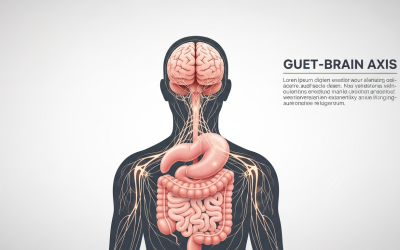
Nutrition affects the gut-brain axis, a connection researchers increasingly link to stress and mood. External resources like the Harvard Health Publishing explain how balanced diet patterns support mental wellness and can reduce chronic stress.
Sleep often slips under stress’s shadow, yet it’s where stress unwinds. When people don’t sleep well, their emotional regulation suffers. Nearly 35% of adults report trouble sleeping, and stress is a leading cause.
Good sleep habits — consistent schedule, dim lights before bed, limiting screens — help the nervous system reset. When Sofia committed to a bedtime routine, she began to feel the tension she carried dissolve. If your mind races at night, gentle routines like reading or warm herbal tea can signal to your body that rest is a priority.
Mindfulness isn’t just meditation — it’s awareness. In São Paulo, Marco practiced pausing mid-day to notice his surroundings — the warm air, distant city sounds, his own breathing. It slowed the rush of thoughts long enough for him to make thoughtful choices instead of automatic reactions.
Research suggests that mindfulness training reduces stress and improves mental health outcomes. A method shared at thegangchil.com on mindful living emphasizes small gestures: noticing sensations, letting thoughts drift without judgment, returning to breath. These moments build resilience over time.
Stress isn’t a one-off challenge, it’s part of living. What changes everything is how we respond to it. The paths people take to control stress are varied, but all share one thing: intention.
When Ahmad reached out for weekly calls home, when Lucia wrote nightly, when Sara chose balanced meals, they weren’t chasing perfection. They were choosing presence. That’s where stress loses its power — in the everyday acts that remind us we are here, alive, capable of care and quiet.
The journey to control stress begins with awareness and continues with action that feels right for you. Stress doesn’t vanish overnight, but step by step, moment by moment, you build practices that protect your mental health and nourish your sense of self.
If you’d like to explore more about daily wellness and informed habits, read how mindful routines can transform life at thegangchil.com.
What’s the most important step to start controlling stress?
Often, awareness of how stress shows up in your body and thoughts is the first meaningful step.
Can stress ever be fully gone?
Stress will always show up, but you can manage how it affects your life and responses.
How long before I notice changes?
People often notice subtle shifts within days of starting mindful breathing or consistent sleep routines.
References
Harvard Health Publishing: Healthy Eating and Mental Health — https://www.health.harvard.edu/mind-and-mood/food-and-mood
American Psychological Association: Stress and Health — https://www.apa.org/news/press/releases/stress/2023
World Health Organization Mental Health Data — https://www.who.int/news-room/fact-sheets/detail/mental-disorders
Psychology Today on Reflection and Stress — https://www.psychologytoday.com/us/basics/stress
Posted 11:02 am | Saturday, 24 January 2026
| nm