
For many people, living with sensitive skin is not just a cosmetic concern but a daily experience of discomfort, uncertainty, and constant care. Dry patches appear without warning. Itching interrupts sleep. Simple routines like washing hands or changing weather can trigger irritation. In this context, interest in natural remedies for eczema prone skin continues to grow, especially among those seeking gentle, sustainable solutions.
Eczema, often known medically as atopic dermatitis, affects millions worldwide. Research suggests that up to 20% of children and around 10% of adults experience eczema symptoms at some stage of life. While medical treatments remain essential for many cases, holistic approaches may help support skin health, reduce flare-ups, and improve overall wellbeing.
This article explores causes, practical solutions, evidence-based natural methods, and professional guidance for managing eczema prone skin with care and clarity.
Eczema is not simply dry skin. It is a complex inflammatory condition linked to immune response, genetics, and environmental factors. The skin barrier becomes weakened, allowing moisture to escape while irritants enter more easily.
According to the World Health Organization, chronic skin diseases like eczema significantly affect quality of life, sleep patterns, and mental wellbeing. Many individuals experience cycles of flare-ups followed by periods of calm.
Symptoms vary widely. Some notice red, itchy patches on hands or neck. Others experience thickened skin, swelling, or cracking. In severe cases, infection may develop due to repeated scratching.
Interestingly, research published through Harvard Health Publishing suggests eczema is closely linked to immune sensitivity and environmental exposure. The skin reacts strongly to triggers that may not affect others.
Understanding this complexity helps explain why quick fixes rarely work. Instead, long-term skin balance often requires consistent lifestyle care, gentle routines, and thoughtful prevention.
Eczema prone skin rarely reacts without reason. Often, subtle environmental or internal factors create the perfect conditions for irritation.
Dry climate is a frequent trigger. When humidity drops, the skin loses moisture faster, weakening its protective barrier. Similarly, harsh soaps and chemical-based skincare products strip natural oils.
Food sensitivities may also play a role for some individuals. Although not universal, dairy, nuts, or processed foods occasionally worsen inflammation. Stress, too, influences immune response and may intensify itching or redness.
Another overlooked factor is over-cleansing. Ironically, excessive washing can disrupt beneficial skin bacteria. This imbalance may increase irritation and delay healing.
For those exploring holistic care, understanding triggers becomes the first step. Gentle observation often reveals patterns that help prevent recurring flare-ups.
The growing interest in natural remedies for eczema prone skin reflects a broader shift toward preventive health and sustainable wellness. But what does science actually say?
Many plant-based ingredients contain anti-inflammatory, antimicrobial, and moisturizing properties. For example, botanical oils often provide essential fatty acids that help repair the skin barrier.
A review indexed on PubMed notes that certain natural compounds, including colloidal oatmeal and plant-derived oils, may reduce itching and inflammation in mild eczema cases.
However, natural does not always mean universally safe. Skin sensitivity varies widely. Experts emphasize patch testing and gradual introduction of new remedies.
What becomes clear is that natural approaches work best when supporting the skin’s protective function rather than attempting to force rapid change. Healing tends to be gradual, steady, and deeply connected to overall health.
For eczema prone skin, hydration is not optional. It is the foundation of care.
Natural oils such as coconut oil, sunflower seed oil, and jojoba oil help restore lipids within the skin barrier. Sunflower seed oil, in particular, has shown promising results in improving skin hydration without irritation.
Aloe vera offers another gentle option. Its cooling effect may soothe inflammation while supporting tissue repair. Many people notice reduced redness after consistent use.
Oat-based treatments also provide relief. Colloidal oatmeal baths create a protective layer over the skin, helping reduce itching and moisture loss. This traditional remedy continues to receive support in dermatological research.
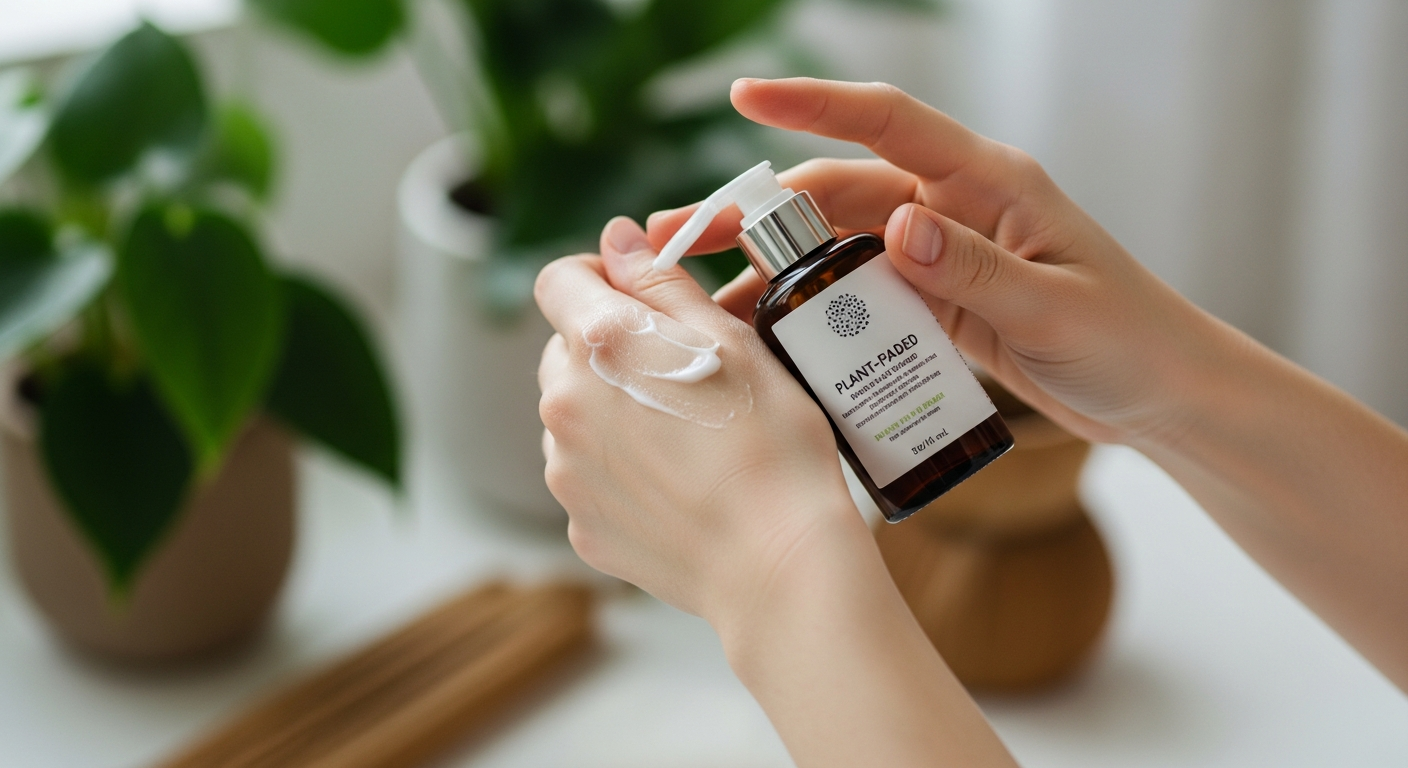
Daily moisturizing within three minutes after bathing, often called the “soak and seal” method, helps lock in hydration. Over time, this simple practice may significantly reduce flare-ups.
Inflammation drives most eczema symptoms. Therefore, calming the skin naturally becomes a key strategy.
Chamomile contains compounds that may reduce irritation and promote healing. Similarly, calendula extract supports tissue repair and provides mild antimicrobial protection.
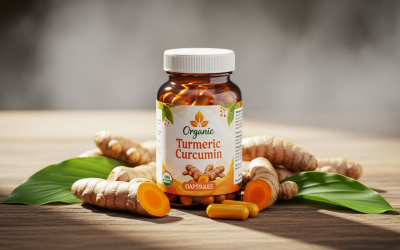
Turmeric, widely studied for its anti-inflammatory properties, has shown potential benefits in topical applications. However, it should be used carefully to avoid staining or irritation.
Shea butter also deserves attention. Rich in vitamins A and E, it supports skin elasticity and barrier repair. For many individuals, it provides lasting moisture without triggering reactions.
Still, effectiveness varies. What works for one person may not work for another. Careful experimentation with professional guidance often yields the best results.
Skin health often reflects internal balance. Increasingly, researchers explore the connection between gut health and eczema symptoms.
Probiotic-rich foods such as yogurt, kefir, and fermented vegetables may support immune regulation. Some studies suggest beneficial bacteria help reduce inflammatory responses linked to eczema.
Omega-3 fatty acids found in flaxseed, walnuts, and fatty fish also show promise in reducing skin inflammation. These nutrients support the body’s natural healing processes.
Hydration matters as well. Drinking adequate water helps maintain skin elasticity and barrier function.
Those seeking deeper lifestyle changes may find helpful insights in this guide on https://thegangchil.com/relieve-chronic-back-pain-naturally-at-home/, which explores holistic approaches to inflammation and body balance. Similarly, this article on https://thegangchil.com/best-essential-oils-for-headache-relief/ discusses plant-based remedies that reflect the broader role of natural healing.
While diet alone rarely cures eczema, it often contributes to overall improvement.
Sometimes healing begins by stopping harmful habits.
Frequent hot showers may feel soothing temporarily, yet they strip protective oils and increase dryness. Similarly, scented products often contain hidden irritants.
Scratching, though understandable, damages the skin barrier and may introduce infection. Keeping nails short and using cooling compresses can help manage the urge.
Another mistake involves trying too many remedies at once. When irritation occurs, it becomes difficult to identify the cause.
Over-reliance on unverified home treatments also carries risk. Essential oils, for example, require proper dilution to prevent burns or sensitivity reactions.
Gentle consistency often works better than aggressive intervention.
Natural approaches can support skin health, but they do not replace medical treatment when symptoms become severe.
Persistent pain, bleeding skin, spreading rash, or signs of infection require professional care. Dermatologists may prescribe medicated creams, immune therapies, or allergy testing.
Children, in particular, should receive medical evaluation for ongoing eczema symptoms. Early management helps prevent complications.
According to guidance from Mayo Clinic, treatment plans often combine lifestyle care with medical therapy for best results.
Seeking help is not a failure of natural care. Instead, it reflects responsible health management.
Long-term relief often emerges from simple daily rituals rather than dramatic interventions.
A gentle routine might include fragrance-free cleansing, immediate moisturizing, protective clothing in cold weather, and stress management practices such as breathing exercises or meditation.
Environmental awareness also helps. Using humidifiers during dry seasons and choosing natural fabrics like cotton may reduce irritation.
Over time, these small adjustments create stability. Skin becomes less reactive, and flare-ups occur less frequently.
Many people describe this process as learning to listen to their skin rather than controlling it.
Eczema affects more than the body. Persistent itching and visible symptoms often influence confidence, social comfort, and sleep quality.
Research suggests chronic skin conditions may increase anxiety and emotional stress. This emotional burden sometimes worsens physical symptoms, creating a cycle.
Mindfulness practices, stress reduction, and supportive community spaces may help break this cycle. Even simple habits like adequate rest contribute to skin healing.
Understanding this emotional dimension reminds us that eczema care is not only about appearance. It is about comfort, dignity, and overall wellbeing.
• Keep skin deeply moisturized using gentle, natural oils or oatmeal-based treatments.
• Identify personal triggers such as stress, harsh soaps, or climate changes.
• Support skin health through balanced nutrition and hydration.
• Seek medical guidance if symptoms worsen or persist.
Natural remedies usually support symptom management rather than provide a permanent cure. Eczema often requires ongoing care and monitoring.
Many people notice gradual improvement within several weeks, though results vary depending on severity and consistency.
Some essential oils may help when properly diluted, but others can cause irritation. Patch testing is strongly recommended.
Yes. Stress can influence immune response and increase inflammation, which may trigger flare-ups.
Seek professional care if symptoms worsen, spread rapidly, cause severe discomfort, or show signs of infection.
Living with eczema often teaches patience. Progress may come slowly, through careful choices, observation, and consistent care. Natural remedies for eczema prone skin offer a supportive path, helping restore balance while respecting the body’s rhythms.
Still, every individual’s experience is different. What matters most is finding a routine that feels sustainable and safe.
If you have personal experiences, questions, or insights about managing sensitive skin, share your thoughts in the comments. Your story may help someone else find relief.
Posted 12:07 pm | Saturday, 14 February 2026
| nm