

There are days when tiredness feels heavier than sleepiness.
You wake up already drained. Your body moves, but your energy lags behind. For many people living with chronic fatigue, this quiet exhaustion becomes part of daily life—often misunderstood, often minimized.
In these moments, advice can feel overwhelming. Do more. Try harder. Fix everything at once. Yet sometimes, the most meaningful shifts begin with something simple and deeply human. Hydration is one of those starting points.
Not as a cure. Not as a miracle. But as a steady, supportive habit that helps the body function with a little more ease.
This article explores hydration tips for chronic fatigue through a calm, evidence-aware, and holistic lens. No extremes. No promises. Just thoughtful insight into how fluids, minerals, and daily rhythms may gently support energy, clarity, and resilience over time.
Fatigue is no longer rare.
Across cultures and age groups, people report persistent tiredness that rest alone does not fix. Long work hours, emotional stress, digital overload, poor sleep, and environmental pressures all play a role.
Meanwhile, dehydration often goes unnoticed.
Many people associate dehydration with heat or intense exercise. Yet mild, ongoing dehydration is common—even among those who drink water regularly. Research shared by Harvard Health Publishing suggests that even small fluid deficits may affect mood, concentration, and perceived energy levels.
For someone already managing chronic fatigue, these subtle effects can feel amplified.
Hydration matters not because it solves everything, but because it supports almost every system involved in energy—circulation, temperature regulation, nutrient transport, and brain function.
Chronic fatigue is not a single experience.
For some, it feels like physical heaviness. For others, it shows up as brain fog, slow thinking, or emotional flatness. Often, it shifts day by day.
Importantly, this article does not diagnose or treat any medical condition. Persistent fatigue should always be discussed with a qualified healthcare professional.
That said, wellness research increasingly recognizes fatigue as a whole-body signal. Hydration interacts with this signal in quiet but meaningful ways.
According to insights summarized by the Mayo Clinic, fluid balance affects blood volume and circulation. When fluids run low, the heart works harder. Muscles tire faster. Mental focus softens.
For many people, improving hydration does not eliminate fatigue.
But it can reduce one layer of strain.
Water does more than quench thirst.
It supports the body’s most basic processes, including how cells produce and use energy.
Every cell relies on water to:
When hydration dips, even slightly, these processes slow down. Over time, that slowdown can feel like constant tiredness.
The World Health Organization (WHO) emphasizes adequate hydration as part of foundational health, particularly in climates or lifestyles that increase fluid loss.
For individuals with chronic fatigue, the goal is not excess. It is consistency.
Many people with fatigue already drink water—and still feel exhausted. This can be frustrating.
The issue is not always quantity. Often, it is timing, balance, and absorption.
Here are a few commonly overlooked factors:
Hydration works best when it fits into daily life gently and realistically.
Severe dehydration is obvious. Mild dehydration is not.
For many people, early signs blend easily into fatigue symptoms:
Not everyone experiences thirst reliably. According to the Cleveland Clinic, thirst can lag behind the body’s actual fluid needs, especially during busy or stressful days.
For people with chronic fatigue, learning to notice these subtle cues can be more helpful than following strict rules.
Hydration should feel supportive, not demanding.
Below are calm, realistic approaches that many people find helpful over time.
After sleep, the body is naturally dehydrated. A glass of water in the morning can feel grounding rather than energizing in a forced way.
Warm water may feel easier on sensitive systems. Some people add a slice of lemon for taste, not detox.
The intention matters more than the ritual.
Steady sipping helps maintain fluid balance without overwhelming digestion.
Keep water nearby. Take small pauses. Let hydration blend into daily rhythms rather than interrupt them.
On days when drinking feels like effort, food can help.
Hydrating options include:
These foods also provide minerals that support fluid balance.
Caffeine affects people differently. For some, it offers temporary alertness. For others, it worsens crashes later in the day.
Balancing caffeinated drinks with water can reduce their dehydrating effect. Observing how your body responds matters more than following general rules.
Water alone is sometimes not enough—especially during stress, heat, or illness.
Electrolytes like sodium, potassium, and magnesium help fluids move into cells where they are needed. Without them, water may pass through quickly without offering lasting support.
The NIH notes that electrolytes play a role in muscle function and nerve signaling—both relevant to fatigue.
This does not mean turning every drink into a supplement.
Often, balanced meals, lightly salted foods, or mineral-rich options provide what the body needs naturally.
Hydration is physical, but it is also emotional.
When life feels rushed, drinking water becomes another task. When fatigue feels discouraging, self-care may feel undeserved.
Here, intention matters.
Pausing to drink water can become a moment of regulation. A breath. A reset. This aligns closely with practices discussed in our article on mindfulness meditation benefits, where small pauses support nervous system balance.
Over time, these moments accumulate.
Poor sleep worsens fatigue. Hydration interacts with sleep quality in subtle ways.
Too little fluid may cause nighttime discomfort or headaches. Too much right before bed may interrupt sleep.
Finding a middle ground helps:
Listening to the body’s feedback remains key.
Consider a common scenario.
A working parent with long days and chronic tiredness starts keeping a water bottle nearby—not to meet a target, but as a reminder. They add soup to lunches. They sip during transitions rather than scrolling.
After several weeks, nothing dramatic happens.
But headaches soften. Afternoon crashes feel less sharp. Mental clarity improves slightly.
These shifts may seem modest. Yet for someone living with ongoing fatigue, modest improvements matter.
Hydration needs vary across regions and lifestyles.
Hot climates increase fluid loss. Cold environments may reduce thirst awareness. Cultural habits influence beverage choices and meal patterns.
The CDC highlights the importance of adapting hydration strategies to environment and activity level.
Respecting these differences avoids one-size-fits-all advice and supports sustainable wellness globally.
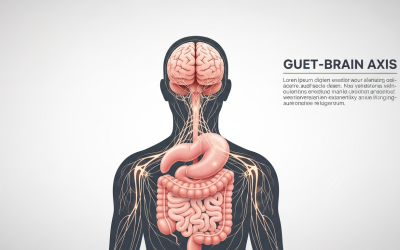
Research continues to explore how hydration interacts with fatigue, cognition, and mood. Emerging studies examine personalized hydration, mineral balance, and the gut–brain connection.
What remains consistent is this: hydration works best when integrated into daily life with awareness and flexibility.
As discussed in our guide on building a holistic wellness routine for busy professionals, sustainable habits rarely come from extremes. They come from listening, adjusting, and staying kind to the body.
Chronic fatigue can make people feel disconnected from their own bodies. Energy feels unpredictable. Trust erodes.
Hydration alone will not restore everything.
But it can be a place to begin rebuilding that relationship.
One sip. One pause. One gentle check-in.
Over time, these small acts may support the body’s natural capacity to find balance again.
If fatigue has been part of your story, consider observing your hydration patterns with curiosity rather than judgment. Notice how your body responds. Adjust slowly. Seek professional guidance when needed.
Wellness is not about fixing yourself.
It is about supporting what is already trying to heal.
Q1: Can dehydration really make chronic fatigue feel worse?
For many people, even mild dehydration may increase tiredness, headaches, and mental fog, which can add to existing fatigue.
Q2: How much water should someone with chronic fatigue drink daily?
Needs vary by body, climate, and activity. Listening to thirst cues and maintaining steady intake is often more helpful than fixed amounts.
Q3: Are electrolytes important for hydration and energy?
Electrolytes help fluids enter cells and support nerve and muscle function. Balanced meals often provide enough for most people.
Q4: Can hydration improve brain fog linked to fatigue?
Research suggests hydration supports concentration and cognitive clarity, though results differ between individuals.
Q5: Is it possible to drink too much water?
Yes. Excessive water without adequate minerals can disrupt balance. Moderation and awareness are important.
About the Author: Ranjan Niskrity is a certified wellness coach with 5+ years of experience in holistic health, nutrition, and mental wellness. Passionate about helping readers improve mind-body balance, he writes evidence-based articles using trusted research and personal insights. Learn more on the About Us page.
Related Posts:
Premature Aging Prevention Strategies |
Mindfulness & Meditation Benefits
Posted 1:30 pm | Friday, 02 January 2026
| nm