
Your snack choices between meals matter more than you think. Here is how to get them right.
By the Editorial Team | thegangchil.com | Health & Wellness
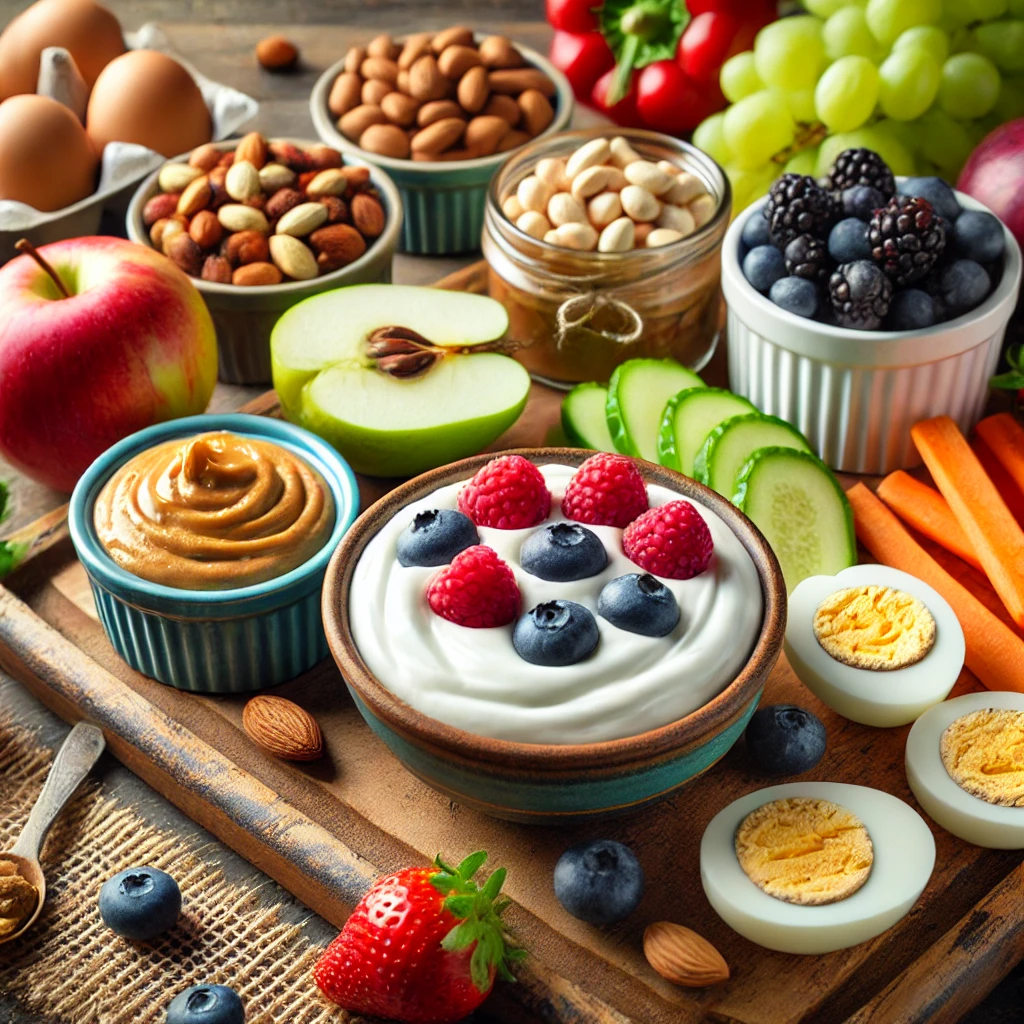
Lena had been eating “clean” for three months. Salads, grilled chicken, zero dessert. Yet the scale barely moved. When a nutritionist finally asked what she ate between meals, Lena paused. “Just a handful of granola,” she said, “and maybe some crackers.” That was the problem. The best healthy snacks for weight loss are not simply “light” foods. They are foods that keep blood sugar steady, reduce hunger hormones, and give your body fuel without tipping your daily calorie balance. Think protein-rich, fibre-forward, and portion-aware. Once Lena swapped her granola for Greek yoghurt with berries and replaced crackers with apple slices and almond butter, the results followed within weeks.
For years, nutritionists debated whether snacking helped or hurt weight loss. The answer turned out to be less about when you snack and far more about what you choose. Research from the National Institutes of Health in 2021 found that participants who replaced processed afternoon snacks with protein and fibre options lost an average of 2.3 kg more over twelve weeks than those who skipped snacks altogether. The mechanism is not magic. Protein activates satiety hormones like peptide YY and GLP-1, signalling fullness to the brain. Fibre slows digestion, flattening blood sugar spikes that trigger hunger rebounds. Together, they create a quiet metabolic advantage that plays out across every meal of the day.
What the scale reflects after months of better snacking is less about individual choices and more about accumulated calm in the body’s appetite system. The WHO noted in 2020 that erratic eating patterns elevate cortisol, the stress hormone closely linked to abdominal fat storage. Steady, nutritious snacks help keep cortisol in its lane.
Did You Know
Eating a protein-rich snack in the afternoon can reduce evening calorie intake by as much as 100 to 150 calories without any conscious effort to eat less, according to a 2021 NIH study on appetite regulation.
So the real question is not whether you should snack. It is whether your snacks are working for your body or quietly against it.
When you eat a smart snack, a small but important chain of events begins. Protein stimulates muscle protein synthesis and keeps blood amino acids elevated, signalling to your brain that the body is fuelled. Fibre feeds the gut microbiome, which in turn produces short-chain fatty acids that communicate with fat cells and the hunger centre of the brain. Healthy fat, like that in almonds or avocado, slows gastric emptying so you stay satisfied longer. The combined effect is a quieter, less reactive appetite by the time dinner arrives.
Key Definition
Satiety Index: A measure of how filling a food is per calorie. Foods with a high satiety index, such as eggs, oats, and legumes, make you feel full on fewer calories. Snacks that rank high on this index are the foundation of weight-loss-friendly eating.
| Snack Option | Calories | Protein | Fibre | Satiety Rating |
|---|---|---|---|---|
| Greek yoghurt + berries | 160 | 15g | 3g | High |
| Apple + almond butter | 190 | 5g | 4.5g | High |
| Hard-boiled egg + cucumber | 100 | 7g | 0.5g | High |
| Granola bar (commercial) | 220 | 3g | 1g | Low |
| Rice crackers | 130 | 2g | 0.5g | Low |
| Flavoured yoghurt (low-fat) | 170 | 5g | 0g | Low |
Could one daily snack swap genuinely reshape how your body handles food over a month? The evidence says yes, and that is the part most weight loss plans never discuss.
| Snack | Serving | Cal | Protein | Fibre | Fat | Best Time |
|---|---|---|---|---|---|---|
| Plain Greek yoghurt | 150g | 130 | 17g | 0g | 4g | Morning / Afternoon |
| Almonds (unsalted) | 28g | 164 | 6g | 3.5g | 14g | Afternoon |
| Apple + almond butter | 1 medium + 1 tbsp | 190 | 5g | 4.5g | 9g | Afternoon |
| Cottage cheese + tomato | 120g + 1 tomato | 120 | 14g | 1.5g | 2.5g | Any time |
| Hummus + carrot sticks | 3 tbsp + 80g | 130 | 5g | 5g | 6g | Afternoon |
| Edamame (boiled) | 100g | 122 | 11g | 5g | 5g | Evening |
| Hard-boiled egg | 1 large | 78 | 6g | 0g | 5g | Morning |
Source: NIH, 2021 — Appetite Regulation and Macronutrient Composition
Not every snack that feels light is actually helping. Many common “diet snacks” are formulated to taste satisfying briefly without delivering lasting fullness. If you find yourself hungry again within ninety minutes of eating, that is a signal worth noticing. Other patterns to watch for: a strong urge to eat immediately before bed even after a full dinner, mid-morning hunger despite a big breakfast, or a cycle of craving salty and sweet foods alternately throughout the day. Harvard Health published research in 2023 showing that ultra-processed snack consumption was strongly linked to higher ghrelin levels, the hormone that drives hunger, even when total calorie intake was controlled.
You can also look for physical signals. Persistent energy dips around 2 to 4 pm, difficulty concentrating after snacking, and frequent mood shifts before meals all point to blood sugar instability. Each of these is reversible with better snack choices.
Most Common Mistake
Choosing snacks labelled “low fat” or “light” without checking protein and fibre content. These products often replace fat with sugar to improve taste, which spikes blood sugar rapidly and brings hunger back faster than a snack with balanced macronutrients would.
When did you last feel genuinely satisfied two hours after a snack, rather than quietly scanning the kitchen for something else?
Dr. Andrew Weil, a nutrition physician at the University of Arizona and one of the most respected voices in integrative medicine, has consistently emphasised that the quality of what you eat between meals defines the ceiling of your metabolic health. Whole foods rich in fibre, protein, and natural fats are not just satisfying, he explains. They actively shift the biochemical environment of the gut in ways that processed snacks never can.
“The gap between what most people snack on and what would actually benefit their health is enormous. A handful of walnuts and a piece of fruit will do more for your weight and your brain than any engineered snack bar.”
This perspective is backed by data from the Harvard T.H. Chan School of Public Health’s guide on healthy snacking, which recommends pairing whole fruits or vegetables with a protein source as the most reliable strategy for sustained energy and appetite control.
Dr. Jason Fung, a physician at the University of Toronto whose work on insulin and weight has reached millions of readers, adds an important layer. Snacking frequency matters less than insulin load. A snack that keeps insulin low, such as raw nuts or cucumber with hummus, supports fat burning far better than a “healthy” fruit smoothie packed with natural sugars.
Pro Tip
Prepare two or three snack options at the start of each week. When smart options are already portioned and visible in the fridge, the chance of reaching for something processed drops by more than half, according to behavioural nutrition research cited in the Healthline guide on weight loss snacks.
If the expert consensus is this clear, why do so many people still reach for the wrong thing when hunger strikes at 3pm?
Here is what a practical, science-backed snacking day looks like when you live it rather than just plan it. Each step below is drawn from how real people have built this into a working routine.
Snack: Plain Greek yoghurt with a handful of blueberries and a teaspoon of chia seeds.
Reason: Protein from the yoghurt starts reducing morning cortisol spikes. Fibre from the berries and chia seeds slows glucose absorption and keeps you focused.
Expected outcome: You arrive at lunch calm and without the desperate hunger that leads to overeating.
Snack: Apple slices with one tablespoon of almond butter, or a small portion of hummus with carrot and celery sticks.
Reason: This is the hour when blood sugar typically dips. A fibre and fat combination prevents the sharp glucose drop that causes fatigue and sugar cravings.
Expected outcome: The 3pm energy crash disappears within the first week. Mental focus stays sharp through late afternoon.
Snack: A hard-boiled egg with cucumber slices, or a small portion of edamame.
Reason: If dinner is later than 7pm, this bridge snack prevents the starving-before-dinner feeling that causes people to eat too fast and too much.
Expected outcome: Dinner portions reduce naturally. You leave the table satisfied rather than uncomfortably full.
Snack: A small bowl of cottage cheese, or a few walnuts with a piece of dark chocolate (85% cacao).
Reason: Evening snacking only works if the choice keeps insulin low. Cottage cheese digests slowly and raises satiety overnight. Walnuts support overnight fat metabolism.
Expected outcome: You wake up without residual hunger. Morning appetite becomes more controlled and easier to manage.
Building this routine is easier when you understand the full picture of how nutrition affects your daily energy. Our deep-dive into healthy eating habits that change your body from within walks you through the bigger framework, including meal structure, hydration, and mindset shifts that work alongside smart snacking.
Weight loss rarely fails because of big meals. More often, it quietly stalls in the spaces between them. The snacks you reach for at 10am and 3pm, the ones you barely register, are shaping your hunger hormones, your energy, your dinner plate, and your waistline. Choosing foods with real protein, genuine fibre, and natural fat is not a strict diet move. It is simply giving your body what it needs to stop asking for more.
Start with one swap this week. Replace one processed snack with something from this guide. Notice how your hunger shifts by day three. That shift is biology, not willpower, and it belongs to you.
Key Takeaways
Get weekly wellness tips that are actually useful.
Join readers who get our latest guides on food, energy, and everyday health straight to their inbox.
Which one snack from this guide are you most likely to try first, and what do you think it will change?
What are the best healthy snacks for weight loss at night?
Cottage cheese, a small portion of walnuts, or a boiled egg are excellent choices late in the evening. They digest slowly, keep insulin stable, and support overnight fat metabolism. Avoid fruit juice, crackers, or anything high in refined carbohydrates after 8pm, as these raise insulin at the least helpful time.
How many snacks per day should I eat to lose weight?
One to two snacks daily is typically ideal. The NIH suggests that more than two snacks can make it difficult to maintain a calorie deficit, even with healthy choices. Focus on snack quality over frequency, and only snack when you are genuinely hungry rather than bored or stressed.
Are protein bars good for weight loss?
Some protein bars work well, but many are essentially candy with protein powder added. Check the label carefully. A good weight-loss bar should have at least 10 grams of protein, fewer than 8 grams of sugar, and more than 3 grams of fibre. Whole food options like Greek yoghurt or hard-boiled eggs are almost always a better choice.
Can fruits be used as snacks for weight loss?
Whole fruits are excellent snacks when paired with a protein source. Eating fruit alone raises blood sugar briefly, which works for short bursts of activity but may bring back hunger faster. Pairing an apple with almond butter or berries with Greek yoghurt slows absorption and keeps you satisfied significantly longer.
What is a good 100-calorie snack for weight loss?
One hard-boiled egg (78 cal), a small apple (80 cal), ten almonds (70 cal), or half a cup of edamame (60 cal) all fall near the 100-calorie mark and deliver real protein or fibre. These outperform any 100-calorie packaged snack in terms of satiety and metabolic benefit by a wide margin.
thegangchil.com — Health, Wellness, and Real-Life Nutrition
Medical Disclaimer: The content on this page is created for general informational and educational purposes only. It does not constitute medical advice, diagnosis, or treatment. Always consult a qualified healthcare professional before making changes to your diet, especially if you have an existing medical condition.
Posted 6:19 pm | Sunday, 05 January 2025
| nm