
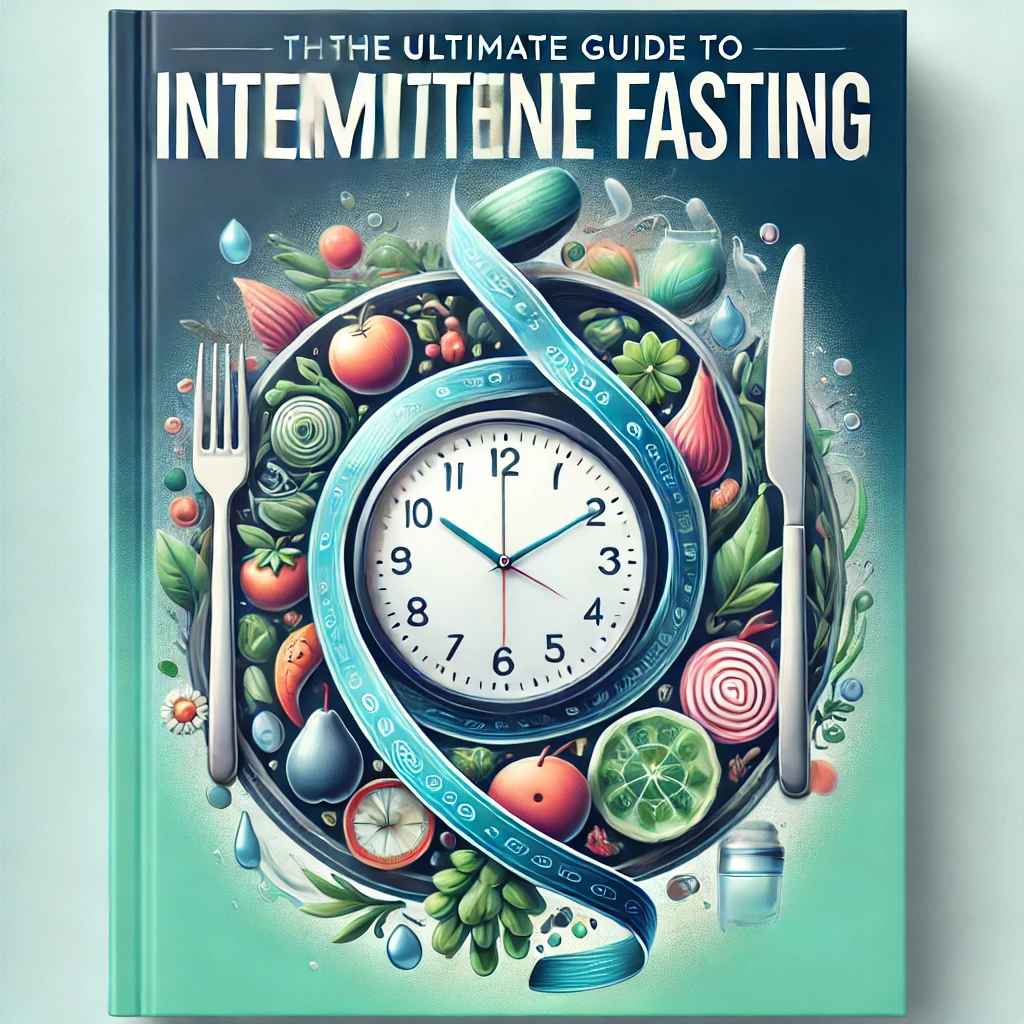
Intermittent fasting isn’t just a diet; it’s a lifestyle rhythm that has captivated people worldwide. Unlike traditional eating plans that dictate what you can or cannot eat, this approach shifts the focus to when you eat. It’s about giving your body windows of rest and renewal, allowing natural processes to reset and energize you.
Across the globe, from bustling cities to quiet towns, people have embraced this pattern—not for fads, but because of the remarkable changes it sparks in energy, focus, and vitality.
Though it feels modern, intermittent fasting is ancient at its core. Early humans didn’t have grocery stores or refrigerators. Meals came when they could hunt, forage, or harvest. This irregular eating naturally trained the body to efficiently store and use energy, giving it resilience during scarcity.
This historical rhythm has shaped our metabolism over millennia. Today, fasting reconnects us to a biological pattern that humans followed long before processed food and convenience altered our relationship with eating.
When you fast, your body undergoes a subtle but profound transformation. It shifts from burning glucose to drawing energy from stored fat. This metabolic switch not only supports weight management but also enhances insulin sensitivity and promotes cellular repair.
It’s fascinating how something as simple as timing your meals can trigger your body to renew itself. Every fasted hour allows your internal systems to rest and recalibrate, preparing you for sharper focus, steadier energy, and long-term health.
The allure of intermittent fasting lies in its simplicity and flexibility. Celebrities, athletes, and health enthusiasts alike praise it not because it is trendy, but because it works. No calorie counting, no restrictive meal plans—just an elegant framework for eating that fits most lifestyles.
Science reinforces its appeal. Multiple studies highlight benefits ranging from weight loss to improved metabolic markers, making it an approach grounded not in hype, but in evidence.
Weight loss often draws the initial attention, but intermittent fasting offers much more. By reducing calorie intake and boosting the hormone norepinephrine, fasting accelerates fat burning while preserving lean muscle.
Beyond the scale, fasting supports metabolic health. Stabilizing blood sugar, lowering cholesterol, and reducing insulin resistance are natural consequences of giving the body intermittent rest. These shifts can dramatically reduce the risk of chronic diseases and enhance long-term wellness.
One of the most remarkable effects of intermittent fasting is autophagy—the body’s internal cleanup process. During fasting, damaged cells are broken down and replaced with healthier ones. This natural regeneration contributes to longevity and lowers risks for conditions such as Alzheimer’s, heart disease, and certain cancers.
Think of autophagy as your personal repair crew, working silently while you rest, clearing away cellular debris, and preparing your body to function optimally.
Fasting doesn’t just rejuvenate the body; it invigorates the mind. By increasing brain-derived neurotrophic factor (BDNF), intermittent fasting supports cognitive function, enhances memory, and improves focus.
Those long hours without food may feel challenging initially, but they often bring moments of heightened mental clarity. Many practitioners report sharper problem-solving skills, deeper creative thinking, and a calming sense of mental balance.
Intermittent fasting is more than a weight-loss tool; it’s preventive medicine. Scientific studies show it can lower the risk of heart disease, type 2 diabetes, and certain cancers. By improving metabolic function and reducing inflammation, fasting promotes resilience that supports long-term health.
It’s remarkable how aligning your eating patterns with your body’s natural rhythms can create such far-reaching effects on overall wellness.
Intermittent fasting is not one-size-fits-all. The 16/8 method, where you fast for sixteen hours and eat in an eight-hour window, is beginner-friendly and widely practiced.
The 5:2 diet allows normal eating for five days and restricts calories on two non-consecutive days, while alternate-day fasting alternates between full fasting and normal eating. The Eat-Stop-Eat approach involves a 24-hour fast once or twice weekly. For those seeking intensity, the Warrior Diet combines a twenty-hour fast with one nutrient-rich meal in the evening.
Each method offers flexibility, enabling people to integrate fasting naturally into daily routines.
The first step is reflection: ask yourself why you are fasting. Are you seeking weight loss, improved mental clarity, or better health? Understanding your motivation shapes your approach and keeps you consistent.
Choosing a method that fits your lifestyle is equally important. Beginners often start with the 16/8 method, gradually adjusting as their body adapts. Planning nutrient-dense meals ensures that the eating window supports optimal health and energy.
During eating periods, focus on wholesome, nutrient-rich foods: lean proteins, healthy fats, vegetables, fruits, and complex carbohydrates. Foods like avocados, nuts, leafy greens, eggs, and fatty fish provide essential nutrients while supporting cellular repair and metabolic health.
Conversely, sugary snacks, refined carbohydrates, and trans fats should be minimized. Staying hydrated with water, herbal teas, or black coffee helps manage hunger and maintain energy levels throughout fasting hours.
Intermittent fasting encourages self-awareness. Fatigue, dizziness, or extreme hunger are signs to adjust your fasting schedule. Light exercise, proper hydration, and adequate sleep complement fasting and support energy levels.
Social events can challenge fasting routines, but planning around them and communicating your goals helps maintain balance. Flexibility is key: fasting should empower, not restrict, your lifestyle.
Hunger and cravings are natural at first. Staying busy, drinking water, and eating high-fiber meals help curb appetite. Energy slumps can be countered with light activity and mindfulness practices.
If progress plateaus, adjusting your fasting method or meal composition can reignite benefits. The process is iterative — small tweaks yield lasting results.
Intermittent fasting is more than scheduling meals; it’s a story of alignment between the body, mind, and lifestyle. Over time, it fosters metabolic health, cognitive sharpness, and emotional resilience. Each fasting period becomes a rhythm that nurtures clarity, self-discipline, and holistic wellness.
From historical roots to modern science, fasting bridges ancient wisdom with contemporary health understanding. It transforms eating into a practice of awareness, self-care, and rejuvenation.
Intermittent fasting is more than just a diet—it’s a lifestyle change that can transform your health. Whether your goal is to lose weight, improve your metabolic health, or enhance mental clarity, there’s a fasting method for everyone. Start small, stay consistent, and listen to your body. The benefits are worth it!
1. Can I drink coffee while fasting?
Yes, black coffee is fasting-friendly and may even boost your metabolism during the fasting period.
2. Will intermittent fasting slow down my metabolism?
No, studies suggest that intermittent fasting may actually increase your metabolism by enhancing fat-burning.
3. Is fasting safe for everyone?
While fasting is generally safe, it’s not recommended for pregnant women, individuals with eating disorders, or those with certain medical conditions.
4. How soon can I see results?
Most people notice changes in energy levels and appetite within the first week, but visible results may take 2-4 weeks.
5. What if I miss a fasting day?
Don’t stress! Just resume your schedule the next day—it’s about long-term consistency, not perfection.
Posted 1:44 pm | Thursday, 09 January 2025
| nm