
It’s a Monday morning, and Jane wakes up feeling anxious and unmotivated. She wonders if it’s her hectic schedule, lack of sleep, or something deeper. Unbeknownst to her, the root cause may lie in her gut.
The phrase “you are what you eat” is more literal than most realize. Emerging research shows that gut health plays a central role in regulating mood, emotions, and mental clarity. With the gut housing approximately 70% of the body’s immune and signaling systems, disruptions in gut flora can lead to anxiety, irritability, or even depression.
Understanding how gut health affects mood is critical for anyone invested in long-term health and wellness. Beyond fleeting happiness, gut-focused interventions can improve mental resilience, energy levels, and overall quality of life.
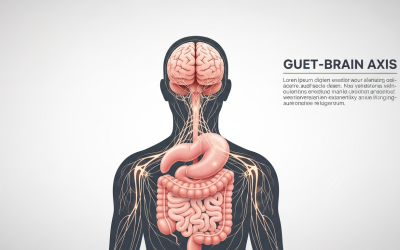
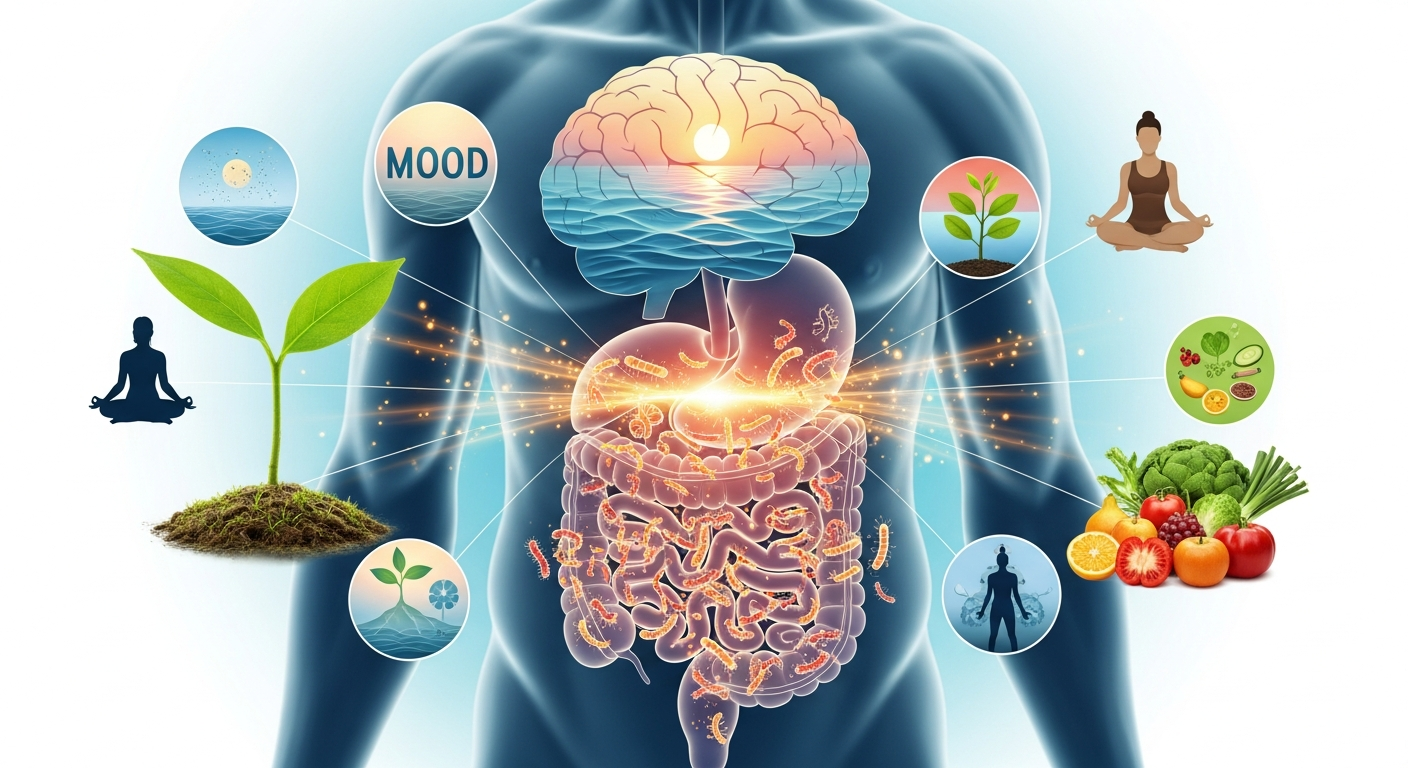
The gut-brain axis is a bidirectional communication network linking the digestive tract and central nervous system. According to Harvard Health (2023), the gut communicates with the brain through hormones, neurotransmitters, and the vagus nerve.
For instance, gut bacteria produce neurotransmitters like serotonin and GABA, which influence mood regulation. Dr. Emeran Mayer, a gastroenterologist and researcher (2021), notes that “a balanced gut microbiome is essential for emotional stability and cognitive function.”
Real-life studies show that individuals with diverse gut microbiota report lower stress and improved mental clarity, underscoring the importance of dietary and lifestyle interventions.
Fermented foods such as yogurt, kefir, sauerkraut, kimchi, and kombucha introduce beneficial bacteria that improve microbial diversity. A randomized trial in the Journal of Psychobiotics (2022) revealed that participants consuming probiotics daily reported reduced anxiety and depressive symptoms.
Prebiotics, found in garlic, onions, asparagus, and bananas, feed healthy gut bacteria. Consuming a mix of prebiotics and probiotics strengthens gut resilience and supports balanced mood regulation.
Dietary fiber fuels microbial fermentation, producing short-chain fatty acids (SCFAs) that reduce inflammation and influence neurotransmitter production. Harvard researchers emphasize that high-fiber diets are associated with improved mental wellness and reduced stress responses.
You can explore more about gut health and its broader impacts on wellness in our article Best Foods for Immunity.
For actionable sleep strategies that complement gut health, see Sleep Better Naturally.
Chronic low-grade inflammation is linked to depression and anxiety. Dysbiosis—or imbalance in gut bacteria—can trigger systemic inflammation. Evidence from the Journal of Clinical Investigation (2021) shows that anti-inflammatory diets, including fruits, vegetables, and omega-3-rich foods, support both gut and mental health.
Consider Mark, a 40-year-old office worker in London. He struggled with stress, irritability, and fatigue. After integrating probiotic foods, prebiotic fibers, and fermented drinks into his meals, coupled with daily walks and mindfulness practices, he noticed reduced anxiety and improved clarity within eight weeks. This example illustrates how gut-centered nutrition can deliver tangible mental health benefits.
The next decade may bring personalized gut-microbiome interventions to optimize mood and wellness. Scientists are exploring how microbiota transplantation, targeted probiotics, and precision diets can enhance emotional resilience.
Investing in gut health today is not only preventive but also future-focused, preparing individuals for a world where mental wellness is increasingly critical.
These strategies can be incorporated gradually to sustainably enhance both gut health and mood.
Your gut is more than a digestive system; it’s a control center influencing mood, energy, and overall health and wellness. By nurturing gut flora with balanced nutrition, probiotics, prebiotics, and mindful lifestyle habits, you create a foundation for emotional stability and long-term well-being.
Explore more gut-friendly wellness tips on TheGangchil to continue your journey toward a healthier mind and body.
1. How does gut health affect mood?
The gut-brain axis communicates through neurotransmitters, hormones, and the vagus nerve, influencing mood, stress response, and cognition.
2. Which foods improve gut health?
Probiotic-rich foods (yogurt, kefir), prebiotics (garlic, onions, bananas), fiber-rich fruits and vegetables, and fermented foods enhance gut microbiota.
3. Can lifestyle changes complement gut-focused nutrition?
Yes, adequate sleep, exercise, and stress management strengthen gut health and improve mood regulation.
4. Are probiotics effective for mental wellness?
Evidence from clinical studies shows probiotics can reduce anxiety, depressive symptoms, and improve cognitive clarity.
Posted 1:02 am | Wednesday, 10 December 2025
| nm