
David was fit, disciplined, and devoted to the gym. Yet persistent back pain and mental burnout followed him everywhere. His physiotherapist asked a simple question: “How strong is your core, really?” That curiosity led him to core power yoga—and changed how his body moved and how his mind responded to stress.
Around the world, people are discovering that strength without stability is incomplete. Core power yoga answers a modern need: functional strength that supports posture, focus, and emotional regulation. It blends intensity with awareness, making it relevant in fast-paced American and European lifestyles alike.
Core power yoga is not about extreme flexibility or spiritual performance. It is a science-informed, dynamic practice designed to build deep muscular control while sharpening mental resilience—qualities essential for modern living.
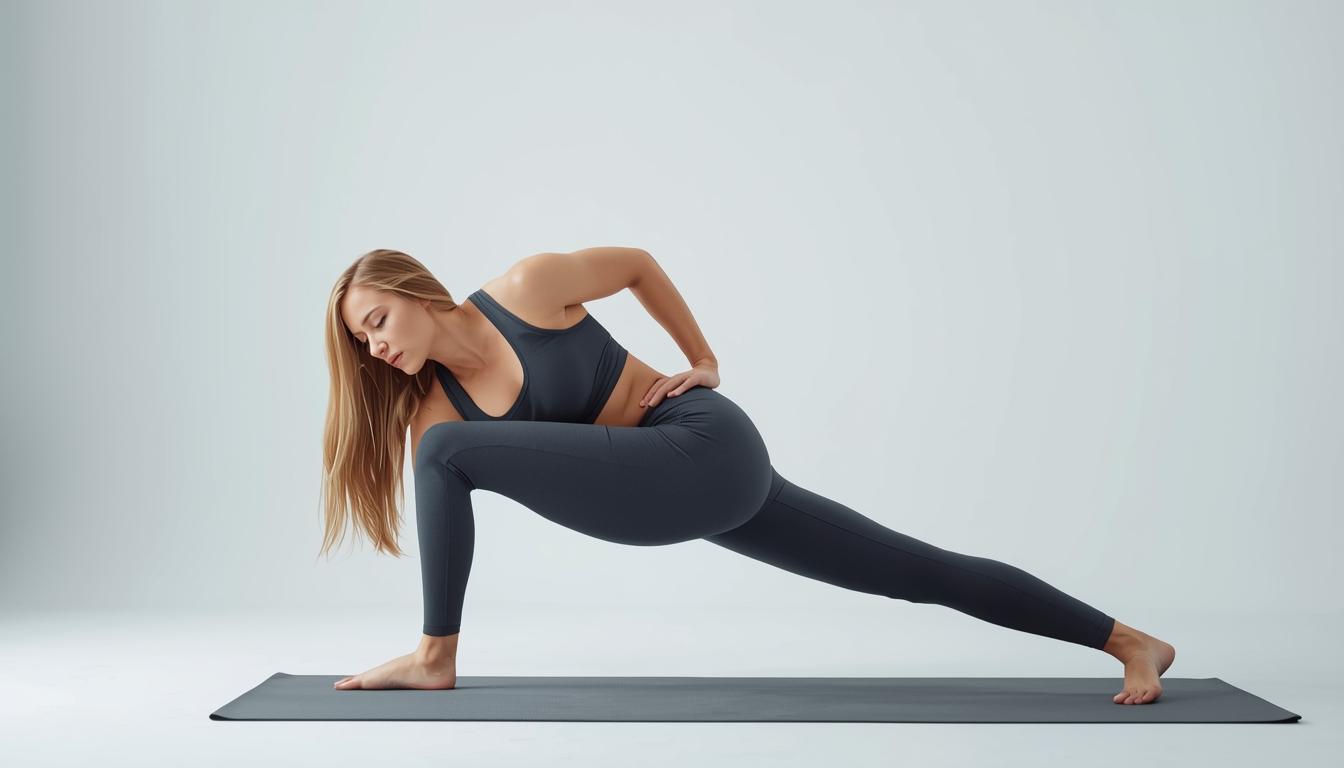
Core power yoga emphasizes continuous flow, controlled breath, and sustained engagement of deep abdominal and spinal muscles. Unlike traditional strength training, it builds endurance and neuromuscular coordination simultaneously.
The “core” includes more than visible abs. It involves the diaphragm, pelvic floor, transverse abdominis, and spinal stabilizers. According to Harvard Health Publishing, these muscles protect the spine and improve balance during daily movements.
Power yoga styles elevate heart rate, creating cardiovascular benefits while maintaining mindfulness. This dual activation is why core power yoga feels challenging yet mentally grounding.
Modern life encourages sitting, screen use, and shallow breathing. These habits weaken the core and disrupt posture. The World Health Organization reports that physical inactivity contributes to over five million deaths annually.
Core power yoga counteracts this trend by restoring movement patterns humans evolved to use—twisting, stabilizing, balancing, and controlled transitions. These patterns translate directly into daily resilience.
Dr. Stuart McGill, spine biomechanics expert, stated in 2020 that “core endurance, not maximal strength, is the key predictor of spinal health.” Core power yoga trains exactly that endurance.
Research published in the Journal of Strength and Conditioning Research found that power yoga improves muscular endurance and VO₂ max within twelve weeks. Unlike isolated exercises, it trains muscles to work together.
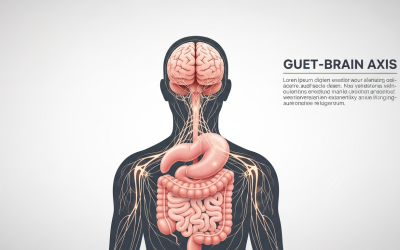
Neurologically, synchronized breath and movement activate the vagus nerve, reducing cortisol levels. Cleveland Clinic specialists highlight that mindful movement lowers stress-related inflammation.
A short comparison shows why this matters:
| Practice Type | Core Stability | Cardio Benefit | Stress Reduction |
|---|---|---|---|
| Weight Training | Moderate | Low | Low |
| Traditional Yoga | Moderate | Low | High |
| Core Power Yoga | High | Moderate | High |
Core power yoga challenges attention. Holding planks while breathing steadily trains the brain to remain calm under pressure. This skill transfers into work, relationships, and crisis situations.
Psychologists describe this as “stress inoculation.” A 2021 Harvard review linked mindful physical stress to improved emotional regulation and reduced anxiety symptoms.
Emma, a London-based executive, described her experience: “I stopped reacting automatically. Core power yoga taught me to pause, breathe, and choose my response.” That pause is psychological strength.
Movement thrives on fuel. Core power yoga demands glycogen, electrolytes, and muscle repair nutrients. Diets rich in complex carbohydrates, lean protein, and anti-inflammatory fats support performance.
Mayo Clinic nutrition experts emphasize magnesium and potassium for muscle function and recovery. Hydration is equally critical, as power yoga increases sweat loss.
Readers interested in holistic nutrition often explore our plant-based meal planning guide and gut health diet article to support sustainable energy and recovery.
While effective, core power yoga is not risk-free. High-intensity flows may strain wrists, shoulders, or lower back if alignment is poor. Beginners often mistake speed for progress.
The CDC advises individuals with hypertension, joint instability, or recent injuries to consult healthcare providers before intense exercise. Modifications and rest days are not weakness—they are strategy.
Future trends emphasize adaptive power yoga, integrating props and personalized pacing. This evolution makes the practice safer and more inclusive without sacrificing results.
After pandemic burnout, Sofia, a Berlin-based therapist, felt physically depleted and emotionally numb. Traditional workouts felt aggressive. Core power yoga reintroduced effort with compassion.
Within six weeks, her posture improved, sleep deepened, and emotional fatigue eased. “It rebuilt trust between my mind and body,” she reflected. This reconnection is often the hidden benefit.
Such stories explain why power yoga adoption is growing across Europe and North America, especially among professionals seeking sustainable strength.
Core power yoga requires minimal resources. A mat, breathable clothing, and space to move are enough. This low environmental footprint aligns with conscious wellness trends.
Unlike machine-heavy gyms, yoga spaces consume less energy and produce minimal waste. Sustainable wellness is not only personal—it is planetary.
As climate awareness shapes lifestyle choices, practices like core power yoga represent a future-forward approach to health.
Digital platforms now offer AI-guided alignment feedback and biometric integration. By 2030, hybrid yoga models blending in-person and virtual training are expected to dominate wellness markets.
Medical integration is expanding too. Harvard-affiliated programs increasingly recommend yoga-based core training for chronic back pain prevention.
Core power yoga is evolving from fitness trend to preventive health strategy—a shift driven by evidence, not hype.
Core power yoga is not about sculpting an image. It is about building a body that supports long-term mobility, focus, and emotional steadiness. Strength becomes functional, not performative.
By integrating breath, awareness, and movement, it offers a rare balance between intensity and intelligence. That balance is what modern bodies crave.
Explore more evidence-based wellness insights on The Gangchil, including our resources on nerve health and daily habits, and continue shaping a resilient, mindful life.
Is core power yoga suitable for beginners?
Yes, with modifications and slower pacing. Many studios offer beginner-friendly power classes.
How often should core power yoga be practiced?
Two to four sessions weekly provide strength gains without overtraining.
Does core power yoga help with back pain?
Evidence suggests improved core endurance reduces chronic back pain risk when practiced correctly.
Is core power yoga better than traditional workouts?
It depends on goals. Core power yoga uniquely combines strength, cardio, and stress regulation.
Sources referenced: World Health Organization (WHO), Centers for Disease Control and Prevention (CDC), Harvard Health Publishing, Mayo Clinic, Cleveland Clinic, Journal of Strength and Conditioning Research.
Posted 5:07 pm | Saturday, 20 December 2025
| nm