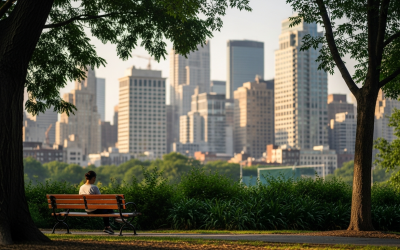

On a quiet train ride through the suburbs of London, Emma noticed her hands tightening around her coffee cup. Nothing dramatic had happened. No sudden news. No urgent message. Yet the familiar tightness in her chest returned, the kind that arrives without asking and lingers longer than welcome.
Like many people across the US and Europe, Emma began searching for natural remedies for anxiety that actually work, not as a replacement for professional care, but as daily support that feels steady and kind to the body.
Anxiety has become one of the most common mental health concerns worldwide. The World Health Organization reported in 2023 that anxiety disorders affect more than 300 million people globally. Still, anxiety rarely looks the same from one person to another. For some, it shows up as racing thoughts. For others, it hides in restless sleep or constant muscle tension.
What research now confirms, and many people already sense, is that anxiety is not only psychological. It also reflects how the nervous system, hormones, digestion, sleep, and daily habits interact. When these systems feel overloaded, emotional balance often follows.
This article explores gentle, research-backed approaches that many people use to support emotional calm in everyday life. These are not quick fixes. Instead, they work quietly, building stability over time.
Anxiety often feels like a mental experience, yet its roots extend deeply into the body. Heart rate increases. Breathing becomes shallow. Muscles stay alert long after danger has passed.
Researchers describe this as nervous system dysregulation. The body remains stuck in a state of alert, even when safety returns. Over time, this constant readiness can drain emotional resilience.
A 2024 review in The Lancet Psychiatry explained that chronic anxiety correlates with elevated cortisol patterns and altered autonomic nervous system activity. In simple terms, the body forgets how to relax.
This explains why thinking your way out of anxiety rarely works on its own. The body needs signals of safety before the mind can settle.
Many natural approaches focus on gently guiding the nervous system back toward balance. Breathing, movement, nutrition, and sensory experiences all play a role in this recalibration.
When people begin working with the body rather than against it, emotional shifts often follow more naturally.
During her commute, Emma started practicing slow breathing after reading about vagus nerve activation. She did not expect much. Yet after several weeks, she noticed that anxious moments passed more quickly.
Slow breathing stimulates the parasympathetic nervous system, which signals the body that it is safe to relax. This response lowers heart rate and reduces muscle tension.
Clinical trials published in Frontiers in Human Neuroscience in 2023 showed that paced breathing improved emotional regulation and reduced anxiety symptoms in adults practicing daily sessions of five to ten minutes.
The effect is subtle. It does not erase stress. Instead, it shortens how long the body remains in heightened alert.
Breath becomes a quiet anchor, always available, always free, and often underestimated.
For many people, anxiety feels like energy trapped inside the body. Gentle movement offers a way for that energy to shift rather than stagnate.
Walking, yoga, swimming, and light cycling have shown consistent benefits for emotional wellbeing. Movement stimulates endorphins, supports sleep quality, and reduces inflammation linked to mood disorders.
A 2024 study from the University of Toronto found that moderate physical activity three times per week reduced generalized anxiety symptoms by nearly thirty percent over twelve weeks.
Movement does not need to be intense to be effective. In fact, overly strenuous routines may increase stress in sensitive nervous systems.
Many people find that rhythmic, steady movement works best. Walking through green spaces, especially, enhances calming effects through what researchers call biophilic response.
Nature and motion together remind the body that life can move at gentler speeds.
Anxiety often flares when blood sugar drops. Skipping meals, relying on caffeine, or consuming highly processed foods can create internal instability that mimics emotional distress.
When glucose levels fluctuate, the body releases stress hormones to compensate. These hormones increase heart rate and alertness, sensations that can feel indistinguishable from anxiety.
Research published in Nutrients in 2023 found that diets rich in whole foods, fiber, healthy fats, and steady protein intake improved emotional regulation in adults with stress sensitivity.
For many people, simply eating regular balanced meals reduces anxious sensations without additional interventions.
Food does not cure anxiety, but it creates the physiological foundation that allows emotional systems to regulate more smoothly.
This is where holistic wellness begins, with small acts of nourishment repeated daily.
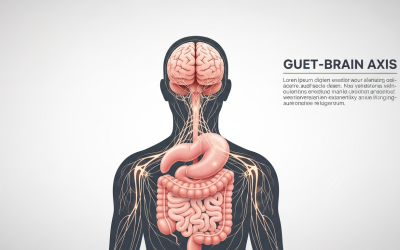
The gut and brain communicate constantly through neural, hormonal, and immune pathways. This gut-brain connection helps explain why digestive issues and anxiety often appear together.
Microbes in the gut produce neurotransmitters such as serotonin and gamma-aminobutyric acid, both involved in emotional regulation. When microbial diversity declines, these signals may weaken.
A 2024 clinical trial in Gut Microbes found that probiotic supplementation improved stress resilience and emotional stability in participants experiencing chronic stress.
Some people notice calmer moods after supporting gut health through fermented foods and fiber-rich diets. Others benefit from targeted probiotics under professional guidance.
Gut care may not feel directly emotional, yet its effects ripple quietly through the nervous system.
Balance often begins where digestion meets emotion.
Few things amplify anxiety more reliably than poor sleep. When rest becomes shallow or irregular, emotional thresholds drop quickly.
During sleep, the brain processes emotional experiences and resets stress hormones. Without this reset, anxious thoughts gain momentum.
The Centers for Disease Control and Prevention report that adults who sleep fewer than six hours per night experience significantly higher rates of anxiety symptoms.
Creating consistent sleep routines, reducing evening screen exposure, and dimming lights before bedtime all signal the body to prepare for rest.
Many people underestimate how powerfully sleep shapes mental health. Yet small improvements in sleep often bring noticeable emotional relief.
Rest, in many ways, becomes the most natural remedy of all.
When anxiety rises, attention narrows. The mind scans for danger while the body tenses. Sensory grounding interrupts this loop by reconnecting awareness to the present moment.
Touching textured fabrics, noticing warm water during hand washing, or listening to calming sounds gently remind the nervous system that immediate danger is absent.
A 2023 study in Behavior Research and Therapy found that sensory grounding techniques reduced acute anxiety responses during stressful tasks.
These practices work not by suppressing anxiety, but by offering the body alternative signals of safety.
Small sensory rituals can anchor daily life in moments of calm that slowly accumulate into emotional steadiness.
Safety, when repeatedly experienced, teaches the body to trust again.
Some natural supplements show promise in supporting anxiety regulation when used responsibly. Magnesium, for example, supports nerve function and muscle relaxation.
Clinical reviews in Nutrients suggest magnesium supplementation may reduce mild anxiety symptoms, especially in individuals with deficiency.
Herbal supports such as chamomile and passionflower also appear in traditional wellness practices. Research remains mixed, yet many people report mild calming effects.
However, supplements should complement, not replace, broader lifestyle care. Individual responses vary, and professional guidance remains important, especially when medications are involved.
Holistic wellness grows strongest when multiple systems receive attention together.
Sofia, a graphic designer in Spain, experienced escalating anxiety after shifting to remote work. Isolation, long screen hours, and irregular meals slowly eroded her emotional balance.
Instead of seeking immediate medication, she began small lifestyle changes. Morning walks, structured meals, consistent bedtime, and breathing practices became part of her routine.
Over several months, her anxiety episodes became less frequent and less intense. While she still experienced stress, it no longer controlled her days.
Her experience reflects what many clinicians observe. For mild to moderate anxiety, lifestyle-based approaches can significantly improve emotional stability when practiced consistently.
Recovery did not arrive suddenly. It arrived through quiet repetition.
Natural remedies for anxiety that actually work tend to support rather than suppress emotional responses. They strengthen the body’s ability to regulate stress rather than blocking symptoms.
These approaches are most effective for ongoing emotional resilience rather than acute crisis management. They shine in daily maintenance, prevention, and recovery.
For individuals with severe anxiety disorders, professional therapy and medical support remain essential. Natural strategies can still play supportive roles within comprehensive care plans.
Wellness rarely exists as either-or. It grows through integration.
Each small habit becomes part of a larger system of emotional safety.
Anxiety does not mean something is broken. Often, it means the body has been carrying too much for too long.
Natural remedies for anxiety that actually work tend to focus on restoring balance rather than forcing calm. Breath, movement, nourishment, sleep, and sensory safety quietly guide the nervous system back toward steadiness.
Progress unfolds gradually. Yet many people find that as daily habits shift, emotional space opens.
If you are exploring holistic approaches to emotional wellbeing, you may also find helpful lifestyle guidance in this related wellness article at
https://thegangchil.com
Healing does not always arrive in dramatic moments. Sometimes, it grows from gentle care repeated each day.
Can natural remedies replace therapy for anxiety?
For mild anxiety, lifestyle approaches may help significantly. For moderate to severe anxiety, professional support remains important and natural methods can complement treatment.
How long do natural remedies take to show effects?
Some practices like breathing may offer immediate calm, while others such as sleep routines and nutrition often show benefits over weeks.
Are herbal supplements safe for anxiety?
Some may help, but responses vary and interactions with medications are possible. Professional guidance is recommended.
Does exercise really reduce anxiety?
Research consistently shows that regular moderate activity lowers anxiety symptoms and improves emotional resilience.
Can teens use these natural approaches?
Gentle lifestyle habits like sleep routines, balanced meals, and movement are generally safe and beneficial for teens, though medical guidance is always wise when symptoms persist.
World Health Organization. Anxiety Disorders Global Overview, 2023.
https://www.who.int/news-room/fact-sheets/detail/anxiety-disorders
The Lancet Psychiatry, 2024. Neurobiology of Chronic Anxiety.
https://www.thelancet.com/journals/lanpsy
Frontiers in Human Neuroscience, 2023. Breathing Interventions and Emotional Regulation.
https://www.frontiersin.org/journals/human-neuroscience
Nutrients Journal, 2023. Dietary Patterns and Anxiety Outcomes.
https://www.mdpi.com/journal/nutrients
Gut Microbes, 2024. Probiotics and Stress Resilience.
https://www.tandfonline.com/toc/kgmi20/current
Behavior Research and Therapy, 2023. Sensory Grounding and Acute Anxiety.
https://www.journals.elsevier.com/behaviour-research-and-therapy
Centers for Disease Control and Prevention. Sleep and Mental Health.
https://www.cdc.gov/sleep
Posted 7:27 pm | Saturday, 17 January 2026
| nm