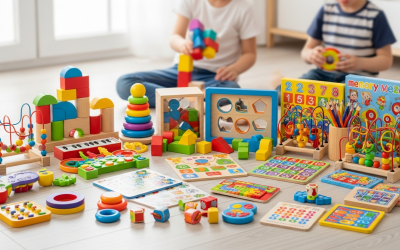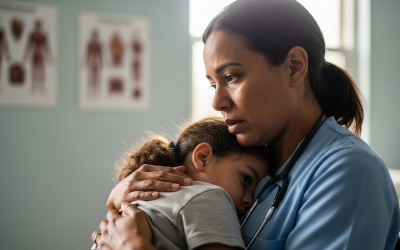


Watching a child grow is both inspiring and, at times, worrying. Each milestone, from first words to confident problem-solving, is a signal of healthy development. Yet for some parents, questions arise: Is my child on track? Are there areas where they need extra support?
These reflections often lead parents to explore professional guidance. One common question is: how to book child development assessment services in the US—a process that may seem daunting at first. This article provides a calm, reflective journey through understanding, finding, and accessing child development assessments. It combines research, expert insight, and practical steps to help parents make informed, confident decisions.
A child development assessment is a structured evaluation of a child’s growth across emotional, cognitive, physical, and social domains. It helps identify strengths, potential delays, or areas where early intervention could be beneficial.
The American Academy of Pediatrics (AAP) recommends routine developmental screenings at key milestones, often at 9, 18, and 30 months, and whenever concerns arise. These assessments can involve standardized tests, parent interviews, and observations in natural settings such as home or school.
For many families, early detection can prevent challenges from becoming more complicated. Research published in JAMA Pediatrics indicates that timely developmental evaluations improve outcomes in communication, learning, and social skills.
Children’s brains develop rapidly in the first five years of life. Early identification of developmental concerns allows for interventions during a period of heightened neuroplasticity.
Parents often notice subtle differences before formal diagnosis is considered—trouble with speech, fine motor skills, or social interaction may hint at underlying issues. For example, a toddler who struggles with joint attention may benefit from early speech and occupational therapy.
According to the CDC, early assessment and intervention can enhance language acquisition, social skills, and emotional regulation, laying a foundation for long-term well-being. Gangchil’s guide to promoting child development practical strategies to support these milestones at home.

Child development assessments vary depending on age, concern, and service provider. Some common types include:
Each type of assessment serves a unique purpose. Choosing the right one depends on parental observations, pediatric recommendations, and any prior screenings.
Finding trustworthy services can feel overwhelming. Parents are encouraged to consider:
Research suggests that starting with a trusted primary care provider can simplify the process, reducing confusion while ensuring appropriate referrals.
Booking an assessment involves both logistical and emotional steps. Many parents feel anxiety about the process—wondering if their concern is valid or fearing what the evaluation might reveal.
Practical steps include:
Gangchil’s article on holistic wellness for children emphasizes creating supportive routines that complement professional assessments.
Assessments are designed to be child-friendly and non-threatening. They often combine:
A typical session may last one to two hours. Children are rarely asked to perform under stress; instead, the environment is designed to feel familiar and engaging.
Experts stress that the goal is understanding—not labeling. Results provide guidance for targeted support rather than judgment.
After an assessment, providers typically offer a detailed report highlighting strengths, areas for support, and recommendations for intervention if needed.
Results may include:
Research emphasizes that actionable recommendations, when paired with consistent support, maximize developmental outcomes. Parents are encouraged to ask questions and seek clarification, ensuring they understand how to support their child effectively.
Professional recommendations are most effective when reinforced in daily life. Simple routines can have a significant impact:
Gangchil’s article on emotional intelligence for children provides practical exercises to strengthen social-emotional skills alongside formal assessments.
Consistency, patience, and reflection are key—small, daily practices often yield meaningful progress.
While developmental assessments are valuable, parents should remain aware of limitations:
Professional guidance is recommended whenever concerns persist, but parents can balance expert input with holistic observation at home.
By approaching assessments with calm, informed intent, parents support both immediate understanding and long-term developmental growth.
Who can conduct child development assessments?
Licensed pediatricians, developmental psychologists, and specialized therapists typically conduct these evaluations.
At what age should assessments begin?
Screenings are recommended at regular intervals, often starting as early as infancy and continuing throughout early childhood.
Are assessments covered by insurance?
Many assessments are partially or fully covered by insurance, Medicaid, or state early intervention programs.
How long does an assessment take?
Most comprehensive assessments last 1–2 hours, sometimes over multiple sessions.
What if my child resists participating?
Assessment professionals are trained to create child-friendly environments and can adjust activities to ensure comfort.
Learning how to book child development assessment services in the US is a thoughtful, empowering step for families. The process blends observation, professional guidance, and reflective action—helping children reach their full potential while supporting parental peace of mind.
If this article resonates with your family’s journey, share your thoughts or questions in the comments. Your experience could guide another parent toward understanding and support.
Posted 5:43 pm | Monday, 09 February 2026
| nm