
Last Updated: May 16, 2026
The panic started quietly.
A woman sat inside her parked car after work, gripping the steering wheel while her chest tightened for no obvious reason. Her phone buzzed. Traffic moved around her. Nothing dangerous was happening. Yet her body felt as if something terrible was about to occur.
Many people experience anxiety this way. Not always as dramatic panic attacks, but as silent tension carried through ordinary days. Tight shoulders. Racing thoughts. Shallow breathing. Difficulty sleeping. Feeling emotionally exhausted before the day even begins.
This is why breathing techniques for anxiety have become one of the most recommended natural tools by therapists, doctors, meditation teachers, and mental health researchers worldwide.
And no, it is not just “taking a deep breath.”
The way you breathe directly affects your nervous system, heart rate, stress hormones, and emotional regulation. When practiced consistently, simple breathing exercises can help calm the brain, reduce physical symptoms of stress, and create a genuine sense of emotional steadiness.
At thegangchil.com, we believe mental wellness should feel understandable and practical, not overwhelming. This guide will help you understand what anxiety does inside the body, why breathing works, and how to use these techniques safely in everyday life.
Main Warning: Breathing exercises support anxiety management but are not a replacement for emergency mental health care.
Simple Solution: Start with 5 minutes of slow nasal breathing twice daily.
Anxiety is not only “in your head.” It is a full-body stress response.
Imagine your nervous system like a smoke alarm. Its job is to protect you from danger. But under chronic stress, that alarm can become too sensitive. Emails feel urgent. Silence feels uncomfortable. Small problems feel catastrophic.
Your brain begins preparing for danger even when you are physically safe.
The body responds by releasing stress hormones like cortisol and adrenaline. Breathing becomes shallow. Muscles tighten. The heart beats faster. Digestion slows down.
According to the World Health Organization (WHO), anxiety disorders affect approximately 301 million people globally as of recent international estimates. Chronic stress and anxiety are now among the most common mental health challenges worldwide.
Meanwhile, the CDC reported in 2024 that a significant percentage of adults regularly experience symptoms linked to stress, worry, or emotional overwhelm affecting sleep and daily function.
This matters because the body cannot stay in “survival mode” forever without consequences.
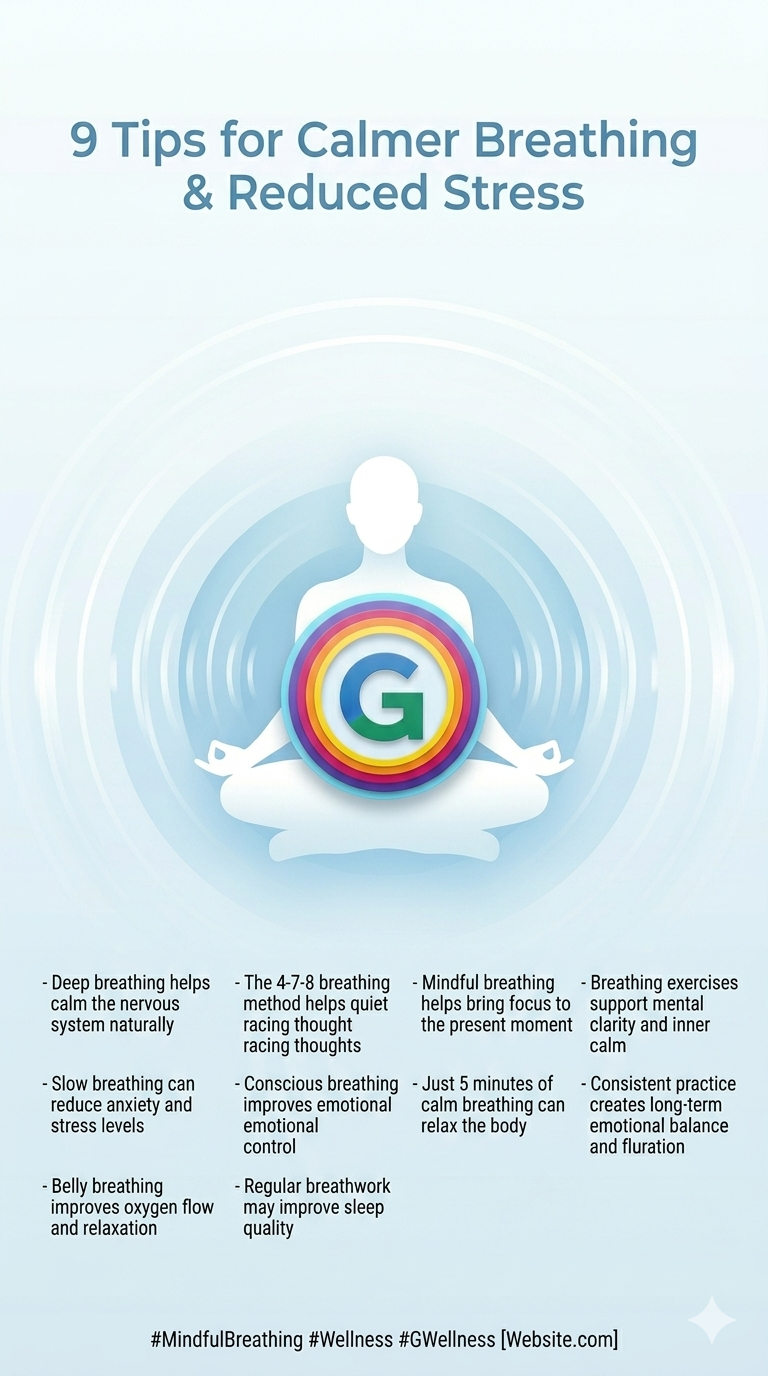
Anxiety changes breathing patterns automatically. Learning intentional breathing techniques for anxiety helps interrupt that cycle and tells the brain that the immediate threat has passed.
Yes. Research consistently shows that slow, controlled breathing activates the parasympathetic nervous system, often called the “rest and digest” response.
A 2023 review published through the NIH found that structured breathing practices can reduce anxiety symptoms, improve emotional regulation, and support stress recovery when practiced regularly.
The effect is both physical and psychological.
When breathing slows down:
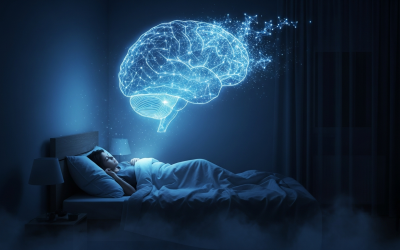
One of the most important areas involved in anxiety is the amygdala, the brain’s threat detection center.
When the amygdala senses danger, it triggers the body’s fight-or-flight system. The problem is that modern anxiety often comes from emotional stress rather than physical danger.
Your brain ca
nnot always tell the difference between:
This is why breathing matters.
Slow breathing sends calming signals through the vagus nerve, which helps regulate emotional balance and body relaxation.
| Stress Response | Calming Response |
|---|---|
| Fast chest breathing | Slow deep breathing |
| Racing heartbeat | Steadier heart rhythm |
| Muscle tension | Physical relaxation |
| Mental panic | Emotional grounding |
Not everyone recognizes anxiety immediately.
Sometimes it appears as constant tiredness, irritability, or physical discomfort rather than emotional panic.
If anxiety causes chest pain, severe panic, hopelessness, or inability to function normally, seek professional medical or mental health support promptly.
A university student once described feeling trapped by anxiety before every exam. She tried productivity apps, energy drinks, and studying late into the night, but her body remained tense.
Eventually, a counselor suggested a simple breathing routine:
At first, it felt too simple to matter.
But after several weeks, she noticed something unexpected. Her anxiety still appeared sometimes, but it no longer controlled her entire body. Her breathing became a signal of safety instead of panic.
That is the real goal. Not perfection. Regulation.
This method is widely used for stress regulation because it creates rhythm and focus.
Repeat for 3 to 5 minutes.
This technique emphasizes longer exhalation, which encourages nervous system calming.
This is one of the easiest breathing techniques for anxiety to practice before sleep.
Place one hand on the chest and one on the stomach. Breathe so the stomach rises more than the chest.
This encourages deeper, steadier breathing patterns.
| Technique | Best For | Difficulty |
|---|---|---|
| Box Breathing | Work stress | Easy |
| 4-6 Breathing | Sleep anxiety | Very Easy |
| Diaphragmatic Breathing | Physical tension | Moderate |
WHEN ANXIETY RISES:
Fast thoughts → Fast breathing → Faster heartbeat → More fear
USE THIS RESET:
1. Sit comfortably
2. Relax shoulders
3. Inhale slowly through nose
4. Exhale longer than inhale
5. Repeat for 5 minutes
RESULT:
Body receives safety signals → Nervous system slows down → Mind becomes clearer
One mistake is expecting instant emotional transformation.
Breathing exercises are not magic tricks. They are nervous system training.
Another common mistake is forcing extremely deep breaths during panic, which can sometimes worsen dizziness.
According to Harvard Health Publishing, slow breathing practices can positively affect heart rate variability and stress recovery. This means breathing patterns influence how resilient the body becomes under pressure.
Meanwhile, the Mayo Clinic continues to recommend relaxation breathing as part of broader stress management routines including sleep, exercise, mindfulness, and therapy.
This is important because anxiety rarely comes from one single cause.
Mental health is connected to sleep, lifestyle, social support, physical movement, nutrition, and emotional habits.
A calm nervous system is built through repetition.
Here is a realistic routine many people can actually maintain:
Morning: 5 minutes slow breathing before checking your phone
Afternoon: Short walking break without social media
Evening: Reduce screen exposure 1 hour before sleep
Night: Practice 4-6 breathing while lying down
For additional wellness support, readers often explore mindful lifestyle practices through articles like
:content Reference[oaicite:0]{index=0}
and
:content Reference[oaicite:1]{index=1}.
Healing the nervous system often happens quietly. Small habits repeated consistently matter more than dramatic changes.
Breathing techniques for anxiety work best when combined with healthier lifestyle support.
Consider:
| Myth | Fact |
|---|---|
| Breathing exercises are fake wellness trends | They are supported by stress and nervous system research |
| Anxiety means weakness | Anxiety is a common human stress response |
| You must meditate perfectly | Consistency matters more than perfection |
Some people believe anxiety completely defines them.
But emotional overwhelm is not your identity.
Many people eventually learn to manage anxiety through awareness, healthy routines, therapy, breathing practices, and emotional support systems.
Progress is often gradual. Some days feel calm. Others feel heavy again.
That does not mean healing failed.
It means you are human.
Seek support if anxiety:
Therapy, counseling, mindfulness-based stress reduction, and medical support can all help depending on individual needs.
Some people feel calmer within minutes, while long-term benefits often build over weeks of regular practice.
They may reduce intensity and help regulate the body, but severe panic disorder may require professional treatment.
Simple 4-6 breathing is often easiest for beginners.
Yes. Anxiety commonly causes shallow or rapid breathing patterns.
Yes. Daily practice usually creates better nervous system regulation.
Yes. Mindfulness meditation and breathing often work well together.
No. Persistent chest pain should always be medically evaluated.
Simple calming breathing can help children, though guidance may be useful.
Strongly. Poor sleep often worsens emotional stress responses.
Yes. Excess caffeine may intensify nervous system stimulation in some people.
The world often teaches people to ignore stress until the body forces attention.
But healing sometimes begins with something incredibly small.
One slower breath.
One calmer moment.
One decision to stop fighting your nervous system and start supporting it instead.
Breathing techniques for anxiety are not about becoming emotionless. They are about helping the body remember safety again.
And sometimes, that is where peace quietly begins.
This article is for educational purposes only and does not replace professional medical advice, diagnosis, or treatment. If anxiety symptoms are severe or persistent, consult a qualified healthcare professional or mental health provider.
Posted 7:34 pm | Sunday, 17 May 2026
| nm