

Many people feel more digitally connected than ever while quietly struggling with loneliness, emotional fatigue, and disconnection beneath the surface.
Still, lifestyle habits alone are not a replacement for professional mental healthcare. Emotional struggles are complex, and healing often requires a combination of support systems, medical guidance, meaningful relationships, and healthy daily routines.
Over the past decade, conversations around emotional wellbeing have shifted noticeably. People no longer view food only as fuel. Many now wonder whether daily eating habits influence mood, energy, anxiety, and emotional stability.
The growing curiosity is understandable. According to the World Health Organization, anxiety and depressive disorders affect hundreds of millions of people globally. At the same time, modern lifestyles often include long work hours, less community interaction, disrupted sleep, and highly processed convenience foods.
Emotional eating patterns have also become more common. Stress may encourage cravings for sugar-heavy snacks, ultra-processed meals, or comfort foods that provide short bursts of relief but little long-term nourishment. After emotionally difficult days, many people notice they either overeat or lose interest in eating altogether.
This has led researchers to examine the relationship between depression and nutrition more carefully. Could dietary patterns influence emotional wellbeing over time? Could anti inflammatory foods for depression support healthier brain function? While nutrition is not a cure for emotional disorders, research suggests dietary quality may still matter more than previously understood.
Interest in plant based diet and mental health has grown especially quickly because whole plant foods contain fiber, antioxidants, vitamins, and phytochemicals linked with overall health. Yet experts continue to emphasize balance. Simply labeling something “vegan” or “healthy” does not automatically make it emotionally supportive.
Sometimes loneliness quietly changes daily habits. People may cook less, rely more on processed meals, skip social eating experiences, or lose motivation around self-care. Over time, these small routines can influence both physical and emotional wellbeing.
When emotional strain combines with social isolation, disrupted routines, and poor nutrition, wellbeing can gradually feel more fragile. That does not mean food alone controls mood. Human emotions are far more complex. Still, researchers increasingly recognize that nutrition and emotional health are connected in meaningful ways.
One of the most fascinating areas of modern wellness research involves the gut brain connection. Scientists now understand that the digestive system and brain constantly communicate through nerves, hormones, and chemical signals.
Inside the digestive tract lives a vast community of bacteria known as the gut microbiome. Some experts compare it to a bustling ecosystem. These microorganisms help digest food, influence inflammation, and even participate in the production of certain neurotransmitters.
Serotonin, often associated with emotional regulation, is partly produced in the gut. While serotonin’s role in mood is complex, researchers believe gut health may influence emotional balance through multiple biological pathways.
Inflammation also appears important. Diets high in heavily processed foods and low in fiber may contribute to chronic low-grade inflammation, which some studies associate with changes in mood and cognition.
Fiber-rich foods including vegetables, legumes, oats, fruits, and seeds help nourish beneficial gut bacteria. This is one reason whole-food eating patterns are often discussed within conversations around mental wellness and diet.
| Gut Health Factor | Potential Emotional Impact | Supportive Habits |
|---|---|---|
| Low fiber intake | Reduced microbiome diversity | Eat legumes, vegetables, oats, berries |
| High processed food intake | May increase inflammation | Reduce ultra-processed snacks |
| Poor hydration | Fatigue and sluggishness | Drink water consistently |
| Irregular eating habits | Energy instability | Maintain balanced meals |
| Chronic stress | Gut discomfort and tension | Sleep, mindfulness, movement |
Think of the gut and brain like close neighbors constantly exchanging messages. When one experiences stress, the other often reacts too. That relationship does not explain every emotional struggle, but it helps researchers better understand how lifestyle patterns influence wellbeing.
Research exploring how plant-based diets influence depression and anxiety symptoms continues to evolve. While findings remain nuanced, several studies suggest that diets centered around whole plant foods may support emotional wellbeing for some individuals.
One reason involves inflammation. Fruits, vegetables, nuts, legumes, herbs, and whole grains contain antioxidants and anti-inflammatory compounds that may help protect cells from oxidative stress. Chronic inflammation has been studied in relation to mood disorders, cognitive function, and stress responses.
Blood sugar stability may also matter. Meals high in refined carbohydrates and sugary processed foods can sometimes create rapid energy spikes followed by crashes. These fluctuations may affect mood, concentration, and irritability in sensitive individuals.
Whole-food plant-based meals often digest more gradually because they contain fiber, healthy fats, and complex carbohydrates. That slower release of energy may help some people feel more physically stable throughout the day.
Research published through PubMed, Harvard Health, and the National Institutes of Health has explored possible links between dietary quality and emotional wellbeing. However, researchers continue to caution against oversimplification.
Not every plant-based diet is nutritious. A person can technically follow a vegan eating pattern while relying heavily on fries, sugary drinks, refined snacks, and processed convenience foods. Emotional wellbeing depends on many factors including sleep, relationships, trauma history, exercise, stress levels, financial security, and access to healthcare.
Research suggests healthier dietary patterns may support emotional resilience over time, but food should never replace therapy, medication, or professional care when needed.
Scientists are still investigating whether improved nutrition directly influences mood or whether healthier lifestyles naturally cluster together. People who prepare balanced meals may also exercise more, maintain social routines, sleep better, and engage in self-care behaviors that collectively improve wellbeing.
Certain nutrients appear especially relevant in conversations about emotional wellbeing. Deficiencies do not automatically cause depression or anxiety, yet inadequate intake may influence energy, cognition, and emotional regulation.
| Nutrient | Role in Emotional Wellbeing | Food Sources | Deficiency Concerns |
|---|---|---|---|
| Omega-3 | Supports brain function and inflammation balance | Flaxseeds, walnuts, algae oil | Low intake may affect cognition and mood |
| Magnesium | Involved in stress regulation and sleep | Leafy greens, pumpkin seeds, beans | Muscle tension, fatigue, irritability |
| Vitamin B12 | Supports nerve and brain health | Fortified foods, supplements | Fatigue and neurological symptoms |
| Zinc | Supports immune and neurological function | Legumes, nuts, seeds | Low appetite and poor immune health |
| Folate | Important for neurotransmitter production | Lentils, spinach, avocado | Low energy and cognitive difficulties |
| Iron | Helps oxygen transport and energy levels | Beans, tofu, leafy greens | Fatigue and weakness |
People exploring foods for anxiety or vegan diet and mood discussions often focus on nutrient density rather than restrictive dieting. Balanced eating patterns generally matter more than perfection.
Some individuals following plant-based diets may benefit from professional nutritional guidance, especially regarding vitamin B12, iron, omega-3 intake, and overall protein balance.
Not all plant-based diets look the same. This distinction matters because emotional wellbeing often depends on overall dietary quality rather than labels alone.
| Whole-Food Plant-Based | Processed Vegan Diet |
|---|---|
| Vegetables, legumes, fruits, oats | Packaged snacks and sugary foods |
| High fiber and nutrient density | Often high in sodium and additives |
| Stable energy support | Rapid energy fluctuations |
| Supports gut microbiome diversity | Lower fiber intake |
| Encourages mindful eating habits | Convenience-focused patterns |
Modern convenience culture often encourages speed over nourishment. Someone feeling emotionally drained after work may naturally reach for frozen processed foods rather than preparing balanced meals from scratch.
That does not mean convenience foods are always harmful. Real life is complicated. Time, stress, income, caregiving responsibilities, and emotional exhaustion all shape eating patterns. Balanced wellness advice acknowledges those realities without shame.
Try oatmeal with berries, nuts, and seeds instead of sugary pastries alone. Stable morning energy may support focus and mood.
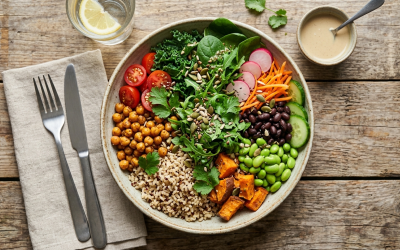
Combine protein, fiber, and healthy fats. A grain bowl with beans, vegetables, olive oil, and avocado offers longer-lasting nourishment.
Fresh fruit, hummus, roasted chickpeas, and nuts may support satiety and gut health better than heavily processed snacks.
Even mild dehydration may contribute to fatigue and headaches. Keeping water nearby throughout the day can help maintain energy.
Late-night heavy meals and irregular schedules sometimes disrupt sleep quality, which strongly influences emotional regulation.
Slowing down during meals may improve digestion and emotional awareness. Eating while disconnected or stressed often reduces satisfaction.
One common mistake is assuming vegan automatically means healthy. Many packaged vegan foods remain highly processed and low in important nutrients.
Another issue involves ignoring protein intake. Protein supports energy, satiety, and overall body function. Beans, tofu, lentils, nuts, seeds, and soy foods often help create better nutritional balance.
Restrictive eating patterns can also become emotionally stressful. Constant food rules sometimes increase anxiety rather than supporting wellbeing.
Some people expect immediate emotional transformation after changing their diets. Yet emotional health rarely shifts overnight. Healing usually happens gradually through consistent habits, support systems, and realistic expectations.
Social media wellness trends create additional confusion. Influencers sometimes promote extreme detoxes, unrealistic body ideals, or unsupported claims around mental wellness and diet. Evidence-based guidance remains important.
Current research increasingly supports the idea that healthier dietary patterns may contribute to improved emotional wellbeing, although scientists continue studying the exact relationship.
A growing number of observational studies suggest people who consume more fruits, vegetables, legumes, whole grains, and healthy fats often report lower rates of depressive symptoms. However, correlation does not automatically prove causation.
Harvard researchers have explored how inflammation, dietary quality, and gut health may interact with mood regulation. NIH-funded studies continue investigating microbiome diversity, stress responses, and nutritional psychiatry.
Researchers also note limitations. Many studies rely on self-reported eating habits, which may contain inaccuracies. Emotional wellbeing is influenced by countless variables including sleep, relationships, trauma exposure, financial stress, and physical health conditions.
Still, experts generally agree that balanced nutrition supports overall health, which can indirectly influence emotional resilience and quality of life.
Helpful resources include:
Periods of loneliness and emotional exhaustion are part of being human. However, persistent isolation can sometimes deepen into more serious emotional struggles.
If sadness, hopelessness, anxiety, irritability, emotional numbness, or loss of interest continue for several weeks, professional support may help. Therapy, medical care, support groups, and community connection all play important roles in holistic wellbeing.
Reaching out for help is not weakness. Many people quietly carry emotional burdens while appearing functional from the outside. Compassionate support often creates meaningful change.
This article is for informational purposes only and does not constitute medical advice. Always consult a qualified healthcare professional.
Understanding why social isolation affects mental wellbeing requires looking beyond screens, schedules, and surface-level productivity. Human beings are deeply relational. Connection, nourishment, sleep, movement, safety, and emotional support all shape how people experience daily life.
Research continues to explore how nutrition, the gut brain connection, and lifestyle habits may support emotional resilience. While no single habit solves emotional struggles, small consistent changes often matter more than dramatic overhauls.
A nourishing meal shared with someone you trust. A short walk outdoors. Better sleep routines. A conversation that feels honest. These quiet moments can slowly rebuild emotional steadiness over time.
What small daily habit helps you feel more emotionally connected to yourself and others?
Explore more evidence-based wellness articles to continue building healthier routines for long-term emotional balance and wellbeing.
Yes. Research suggests prolonged isolation may increase stress, sadness, anxiety, emotional fatigue, and feelings of loneliness.
Fiber-rich foods, healthy fats, vegetables, legumes, fruits, nuts, and balanced meals may help support overall brain and body health.
Researchers continue studying the gut brain connection and how gut bacteria, inflammation, and digestion may influence emotional wellbeing.
Deficiencies in nutrients like vitamin B12, iron, folate, and magnesium may contribute to fatigue and cognitive changes in some individuals.
Some processed vegan foods can be high in sodium, sugar, and additives. Whole-food balance generally matters more than labels alone.
Posted 12:16 am | Friday, 22 May 2026
| nm