

Mental Wellness · Stress & Recovery
A compassionate, evidence-based guide to understanding why sleep quality matters for long-term mental wellness balance — and what to do about it today.
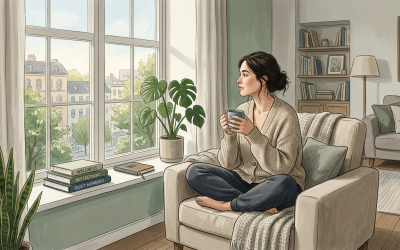
It started so subtly that she almost missed it. Maya, a 34-year-old teacher, had been waking up every morning feeling more exhausted than when she’d gone to bed. She thought it was the new school term. Then she blamed the weather. Then her diet. But three months later, with tension headaches arriving like clockwork, a jaw that ached from clenching through the night, and a mind that couldn’t stop replaying tomorrow’s to-do list, she finally admitted: this isn’t tiredness. This is something else entirely.
What Maya was living through is more common than most people realize. The signs of chronic stress and how to fix them early are precisely what millions of people across the world need to understand — not to panic, but to pause and pay attention. Chronic stress doesn’t arrive loudly. It accumulates. And one of its most powerful — and most underestimated — partners in disruption is poor sleep.
Understanding why sleep quality matters for long-term mental wellness balance is not just a scientific curiosity. It is practical, life-changing knowledge. When your sleep deteriorates, your stress response intensifies. When your stress response intensifies, your sleep deteriorates further. This cycle, left unchecked, quietly erodes emotional resilience, cognitive clarity, and physical health.
This guide from thegangchil.com walks you through every dimension of chronic stress — what it looks like, what it does to your brain and body, and most importantly, how to begin healing with practical, compassionate steps.
Stress is typically a response to an external trigger. When the trigger resolves, the stress usually eases. Chronic stress doesn’t switch off — the nervous system remains in a prolonged state of alert even when there is no immediate threat. Anxiety tends to be more internal: a persistent sense of worry or unease that may not have a clear external cause.
According to the World Health Organization (WHO), stress-related conditions are among the leading causes of disability globally, with an estimated 1 in 8 people worldwide living with a mental health disorder, many stress or anxiety-related (WHO, 2022).
Chronic stress is skilled at disguising itself as something else. Common physical signs include persistent headaches, muscle tension in the neck and jaw, digestive discomfort, frequent minor illnesses, fatigue that rest doesn’t fix, and skin flare-ups. Emotionally: irritability out of proportion to events, difficulty concentrating, feeling overwhelmed by small tasks, low motivation, and recurring dread.
Chronic stress elevates cortisol at night (when it should be low), disrupts deep sleep cycles, causes early morning waking, and triggers vivid dreams. Then poor sleep amplifies the stress response the following day. Why sleep quality matters for long-term mental wellness balance becomes obvious here: sleep is both a symptom and a driver of the cycle.
According to the National Institutes of Health (NIH), adults who sleep fewer than 7 hours per night report significantly higher levels of psychological distress compared to those who sleep 7–9 hours (NIH, 2021).
⚠️ Warning Signs Requiring Professional AttentionPlease consult a healthcare provider if you experience: persistent sleep disruption lasting 3–4+ weeks, chest tightness or palpitations, thoughts of self-harm, complete inability to manage daily responsibilities, or use of alcohol or substances to manage stress. These are signals that your nervous system needs more support than self-care alone can provide.
Chronic stress is usually the accumulation of multiple pressures sustained over time without adequate recovery. Common causes include long-term work demands, financial insecurity, relationship strain, caregiving responsibilities, chronic illness, social isolation, past trauma, excessive digital stimulation, and persistent self-critical thinking. Many people experiencing chronic stress are high-functioning — appearing fine to others while quietly depleting internally.
💡 Reflective AdviceGently write down three things currently weighing on you — not to solve them, just to name them. Naming a stressor reduces its cognitive burden. This is a small but powerful act of self-acknowledgment.
Your brain’s amygdala detects threats and triggers fight-or-flight. Under chronic stress it becomes overactivated, responding to emails or traffic the way it should only respond to genuine danger. This floods the body with cortisol and adrenaline, which over time interfere with digestion, immunity, hormones, and sleep.
Meanwhile the prefrontal cortex — responsible for rational thought and emotional regulation — becomes less active. This is why everything feels more catastrophic when you’re chronically stressed. It’s not weakness. It’s neurochemistry.
Harvard Health Publishing notes that chronic stress physically shrinks the prefrontal cortex and enlarges the amygdala — changes that reinforce anxious patterns. The encouraging truth: these changes are not permanent. The brain remains neuroplastic, capable of healing with the right support (Harvard Health, 2021).
🧠 Expert Insight — The Sleep-Brain ConnectionDuring deep sleep, the brain flushes out metabolic waste via the glymphatic system. Chronic stress disrupts this process, leaving the brain accumulating cellular debris — partly why chronic stress and poor sleep are linked to long-term cognitive decline and mood disorders. Why sleep quality matters for long-term mental wellness balance cannot be overstated from a neuroscientific perspective.
Breathing is the only autonomic process also under voluntary control. When you slow and deepen your breathing, you activate the parasympathetic nervous system — the body’s rest-and-digest state. Slow exhalations stimulate the vagus nerve, which carries calming signals directly to the heart, lungs, and digestive organs.
Research published through the NIH confirms that controlled breathing reliably reduces cortisol levels, lowers heart rate, decreases blood pressure, and improves feelings of calm within minutes (NIH, 2023).
These techniques can be practiced anywhere. Begin with two to three minutes and extend gradually. Consistency matters more than duration.
| Technique | Pattern | Best For | Time Needed | Difficulty |
|---|---|---|---|---|
| 4-7-8 Breathing | 4 in · 7 hold · 8 out | Pre-sleep, deep anxiety relief | 3–5 min | Moderate |
| Box Breathing | 4-4-4-4 | Acute stress, focus | 3–5 min | Easy |
| Physiological Sigh | Double inhale + long exhale | Immediate calm (seconds) | 30 sec | Very Easy |
| 4-6 Coherent | 4 in · 6 out | Pre-sleep routine | 10 min | Easy |
| Alternate Nostril | Left-right alternation | Morning balance | 5–10 min | Moderate |
If you absorb one message from this article, let it be this: why sleep quality matters for long-term mental wellness balance is biological fact, not wellness opinion. During quality sleep, cortisol declines, emotional memories are processed, and the prefrontal cortex restores its regulatory capacity. Without it, every other intervention is built on unstable ground.
To improve sleep: maintain a consistent sleep and wake time every day (including weekends), avoid screens for 60 minutes before bed, keep your bedroom cool and dark, avoid caffeine after 2pm, and establish a gentle wind-down ritual — a bath, light stretching, or reading fiction rather than news.
A 20-minute walk in natural light — especially in the morning — regulates your circadian rhythm, lifts mood, and meaningfully reduces cortisol levels. Gentle yoga, swimming, or cycling supports mental wellness balance through consistent physical engagement.
Chronic stress depletes magnesium, B vitamins, and vitamin D. Prioritizing whole foods, reducing sugar, and staying hydrated supports recovery. Quality social connection — even brief, warm interactions — activates the social engagement branch of the nervous system, lowering perceived threat levels biologically.
| Coping Method | Type | Short-Term Effect | Long-Term Effect |
|---|---|---|---|
| Diaphragmatic breathing | Healthy | Immediate calm | Nervous system resilience |
| Physical exercise | Healthy | Mood lift, energy | Reduced cortisol, better sleep |
| Quality sleep | Healthy | Restoration | Emotional and cognitive recovery |
| Social connection | Healthy | Warmth, belonging | Lower perceived stress |
| Journaling / reflection | Healthy | Clarity, release | Emotional processing, insight |
| Alcohol / sedatives | Unhealthy | Temporary numbing | Disrupts sleep, worsens anxiety |
| Excessive caffeine | Unhealthy | Short energy boost | Elevated cortisol, poor sleep |
| Emotional eating | Unhealthy | Brief comfort | Shame cycle, metabolic impact |
| Social withdrawal | Unhealthy | Avoidance of discomfort | Increased loneliness, worse mood |
| Overworking / busyness | Unhealthy | Feeling of control | Burnout, health deterioration |
Once a week, spend 5 minutes with a simple journal prompt: “What is my body telling me right now? Where am I holding tension? What emotion has been most present this week?” This builds interoceptive awareness — sensing your internal state before it becomes a crisis.
Reduce digital overstimulation. Set defined windows for checking email and news. Create technology-free zones — particularly in the bedroom and the first 30 minutes after waking. Even 5–10 minutes of daily mindfulness practice builds measurable nervous system resilience over time.
Expert Insight — CDC and WHO GuidanceBoth the CDC and WHO highlight consistent daily routines, adequate sleep, physical activity, and social support as the four pillars of stress resilience. These are not complicated interventions — they are accessible and evidence-based, available to all of us (CDC, 2023).
Let’s return to Maya. Three months after she acknowledged what was happening, she made three changes: a consistent 10:30pm bedtime, a 15-minute morning walk before school, and five minutes of 4-6 coherent breathing each evening. She didn’t overhaul her life. She noticed the signs of chronic stress — and she made early, small, consistent adjustments. By the second month, her jaw had loosened. Sleep felt more restorative. The overwhelm — while not gone — had softened into something she could observe rather than drown in. That’s what early attention makes possible.
Living with anxiety or chronic stress does not have to mean suffering. Many people find that, once they stop fighting their internal state and begin tending to it with curiosity and kindness, the experience shifts significantly. This is the philosophy at the heart of thegangchil.com — that wellness is not a destination but a daily, imperfect, deeply human practice of returning to yourself.
✅ Actionable Daily Coping Tips
You don’t need to fix everything at once. You need to begin noticing, and begin making small choices that move you toward restoration. Here’s where to start:
Understanding why sleep quality matters for long-term mental wellness balance — and acting on that understanding — is the foundation upon which every other aspect of your wellbeing rests. Tend to it with the same care you offer the people you love most.
From all of us at thegangchil.com — we see you, we believe in your capacity to heal, and we’re here every step of the way.
Posted 11:39 am | Friday, 22 May 2026
| nm