
Every morning, Jane struggled with bloating and irregular digestion. Despite trying multiple diets and wellness routines, her energy levels remained low, and she often felt irritable. She didn’t realize that her gut microbiome—the ecosystem of bacteria in her digestive tract—played a crucial role in not only digestion but also mood, immunity, and overall health and wellness.
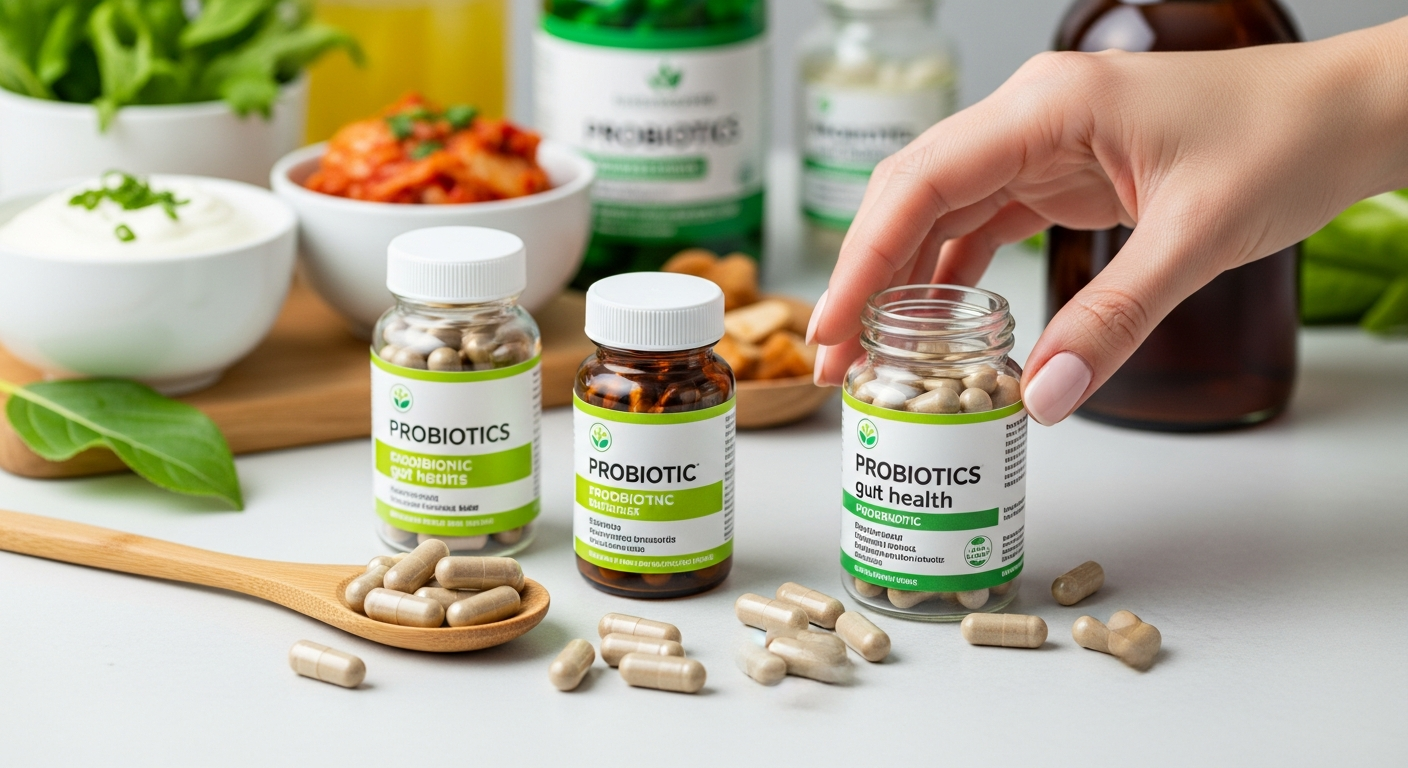
Recent studies reveal that the right probiotics can restore gut balance, reduce inflammation, and improve digestion, sleep, and mental clarity. Choosing the best probiotics for gut health is therefore an essential step for anyone seeking long-term wellness.
This article provides a comprehensive guide on probiotics, backed by expert opinions, scientific research, and actionable strategies that readers can implement immediately to optimize gut health and well-being.
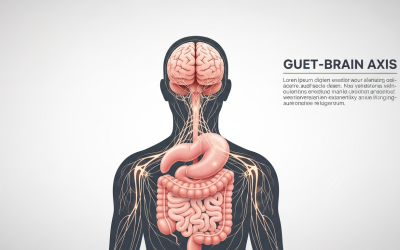
The gut microbiome communicates with the brain through the gut-brain axis, influencing mood, cognitive function, and stress response. According to the Mayo Clinic (2023), imbalances in gut bacteria can contribute to digestive issues, fatigue, and even anxiety or depression.
Dr. Emeran Mayer, a leading gastroenterologist (2022), emphasizes: “A healthy gut microbiome is the cornerstone of physical and mental wellness. Supporting it with probiotics and lifestyle strategies can transform overall health.”
Real-life cases demonstrate that individuals incorporating probiotics into daily routines experience improved digestion, enhanced immunity, and more stable energy levels.
Widely studied, it promotes digestive health, prevents diarrhea, and improves nutrient absorption.
Supports immune function and reduces gastrointestinal inflammation.
A beneficial yeast strain that helps maintain gut barrier integrity and prevent pathogen overgrowth.
Supports anti-inflammatory processes and may improve mood through the gut-brain axis.
Note: Consult healthcare professionals before starting supplements to ensure proper strain and dosage.
Diet is a practical and sustainable way to support gut bacteria. Fermented foods such as yogurt, kefir, kimchi, sauerkraut, and miso provide live cultures that improve microbial diversity.
According to the WHO (2022), regular consumption of probiotic foods can reduce the risk of gastrointestinal disorders, support immune function, and positively affect mental health.
For detailed strategies on combining diet with probiotics, see our guide on Best Foods for Immunity.
Even the best probiotics require complementary lifestyle practices for maximum effect:
Mini case studies indicate that a holistic approach combining probiotics, nutrition, and lifestyle changes yields better gut wellness outcomes than supplementation alone.
Emerging research shows a strong link between gut bacteria, immunity, and mental well-being. Lactobacillus and Bifidobacterium strains have been associated with reduced inflammatory markers, better immune response, and improved mood.
A 2021 Nutrients Journal study demonstrated that participants taking a multi-strain probiotic experienced lower stress levels and improved emotional resilience. This underscores probiotics as a vital tool in health and wellness management.
Selecting probiotics involves considering strain specificity, CFU count, storage requirements, and personal health goals. For example, adults with digestive disturbances may benefit more from Lactobacillus acidophilus, while those seeking immune support might focus on Bifidobacterium lactis.
Expert nutritionist Dr. Maria Cruz (2022) advises, “Look for multi-strain probiotics with documented clinical efficacy, and integrate them with a fiber-rich diet to optimize gut colonization.”
The field of personalized probiotics is expanding, where gut microbiome testing informs tailored supplement recommendations. Wearable technology, microbiome mapping, and AI-driven diet plans are emerging to optimize gut health for US and European consumers.
This future-focused approach could revolutionize health and wellness, making probiotic supplementation a precise and effective intervention.
These steps provide a holistic and actionable framework for improving gut health and overall wellness.
Optimizing gut health through the best probiotics can improve digestion, strengthen immunity, enhance mood, and support long-term health and wellness. By selecting the right strains, combining them with probiotic-rich foods, and embracing lifestyle strategies, individuals can experience tangible improvements in energy, mental clarity, and well-being.
Explore more insights on gut health and wellness at TheGangchil to continue your journey toward optimal health.
1. What are the best probiotics for gut health?
Multi-strain probiotics containing Lactobacillus, Bifidobacterium, and Saccharomyces boulardii are most effective.
2. Can probiotics improve mental health?
Yes, specific strains influence the gut-brain axis, potentially reducing anxiety and improving mood.
3. How long does it take for probiotics to show benefits?
Improvements in digestion may be noticed in 2–4 weeks, while mood and immune benefits may take longer.
4. Are probiotic foods as effective as supplements?
Fermented foods support gut health, but supplements provide targeted, high-potency strains that can be more consistent.
Posted 8:14 pm | Thursday, 11 December 2025
| nm