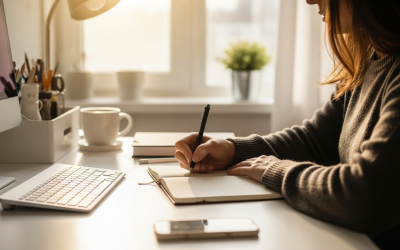

On a quiet evening in Manila, a young marketing executive named Elise sat awake at 2 a.m., staring at the ceiling and counting the hours until sunrise. She knew sleep mattered, yet her racing thoughts refused to slow down. Every night felt like a battle between exhaustion and an anxious mind, and the winner was always the anxiety. She tried herbal teas, breathing apps, and even late-night podcasts, but nothing seemed to settle the storm.
A similar story unfolded thousands of miles away in London, where a university student named Daniel struggled with exam stress. He would drift in and out of shallow sleep, waking up feeling more overwhelmed than when he went to bed. He felt trapped in a cycle where stress fueled insomnia, and insomnia magnified stress, leaving him mentally and emotionally drained.
These stories are not isolated. According to the World Health Organization, nearly one billion people worldwide experience stress or anxiety-related sleep issues each year. For many, the search for the best sleep aids for stress and anxiety becomes less about convenience and more about survival. Sleep is not simply a nightly ritual; it is the foundation of mental health, emotional resilience, immunity, and long-term well-being. Without proper rest, even the strongest minds begin to fray.
This growing global struggle has transformed sleep from a personal issue into a public health priority. As people juggle digital fatigue, economic uncertainty, and emotional stress, sleep support tools have evolved into essential wellness companions. Understanding which sleep aids truly work—and why—has become a vital step toward reclaiming calm, clarity, and energy.
Sleep scientists explain that stress activates the body’s fight-or-flight system, flooding the bloodstream with cortisol and adrenaline. These hormones were originally meant to help humans escape danger, yet they now respond even to digital notifications, work pressure, and internal worries. When cortisol remains elevated at night, the brain cannot shift into the slower waves required for deep rest.
A mini calculation shows how quickly this becomes damaging. Losing just ninety minutes of sleep a night over one week equals more than ten hours of missed restorative rest. Ten hours is enough to weaken memory, reduce focus, destabilize mood, and increase anxiety levels significantly. Over time, this becomes a cycle that traps millions.
Researchers at Harvard Health note that anxiety disorders are closely linked to sleep disorders, creating a two-way loop where each condition worsens the other. This makes effective sleep aids essential not only for physical recovery but also for long-term mental health stability.
People often imagine sleep aids as pills or supplements, but the most effective ones combine biology, psychology, environment, and behavior. In many cases, the best aids work by calming the mind rather than forcing the body into sleep.
A psychologist in Melbourne explained that sleep aids are tools, not magic solutions. Their effectiveness depends on how they support the brain’s natural rhythms. The best ones reduce hyperarousal, quiet racing thoughts, balance hormones, and create consistent sleep patterns. When used correctly, they become bridges that carry stressed minds across the gap between wakefulness and rest.
Different individuals need different approaches. A person with job-related stress may need behavioral tools, while someone with chronic anxiety may benefit from supplements or therapeutic support. The key is understanding the science behind each aid and applying it thoughtfully.
Mental health and sleep form a deep, interdependent relationship. When the mind becomes overwhelmed, fragmented, or overactive, sleep becomes shallow or disrupted. Anxiety triggers repetitive thinking, stress fuels muscle tension, and depression alters the brain’s sleep–wake cycle.
Real-life stories highlight this connection clearly. A healthcare worker in New York described how nightly stress dreams increased during the pandemic. Even on nights when she slept eight hours, she woke feeling emotionally drained. When she began a mindfulness-based stress reduction routine recommended by her therapist, her dreams gradually softened, and her sleep became more restorative.
Experts like Dr. Matthew Walker emphasize that improving sleep quality can significantly reduce symptoms of anxiety and depression. This means that effective sleep aids indirectly act as mental health tools, helping stabilize emotions, cognitive processes, and stress resilience.
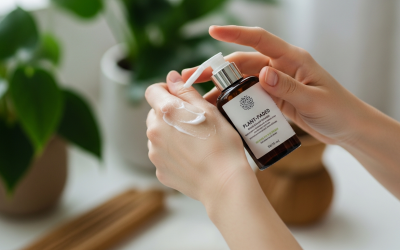
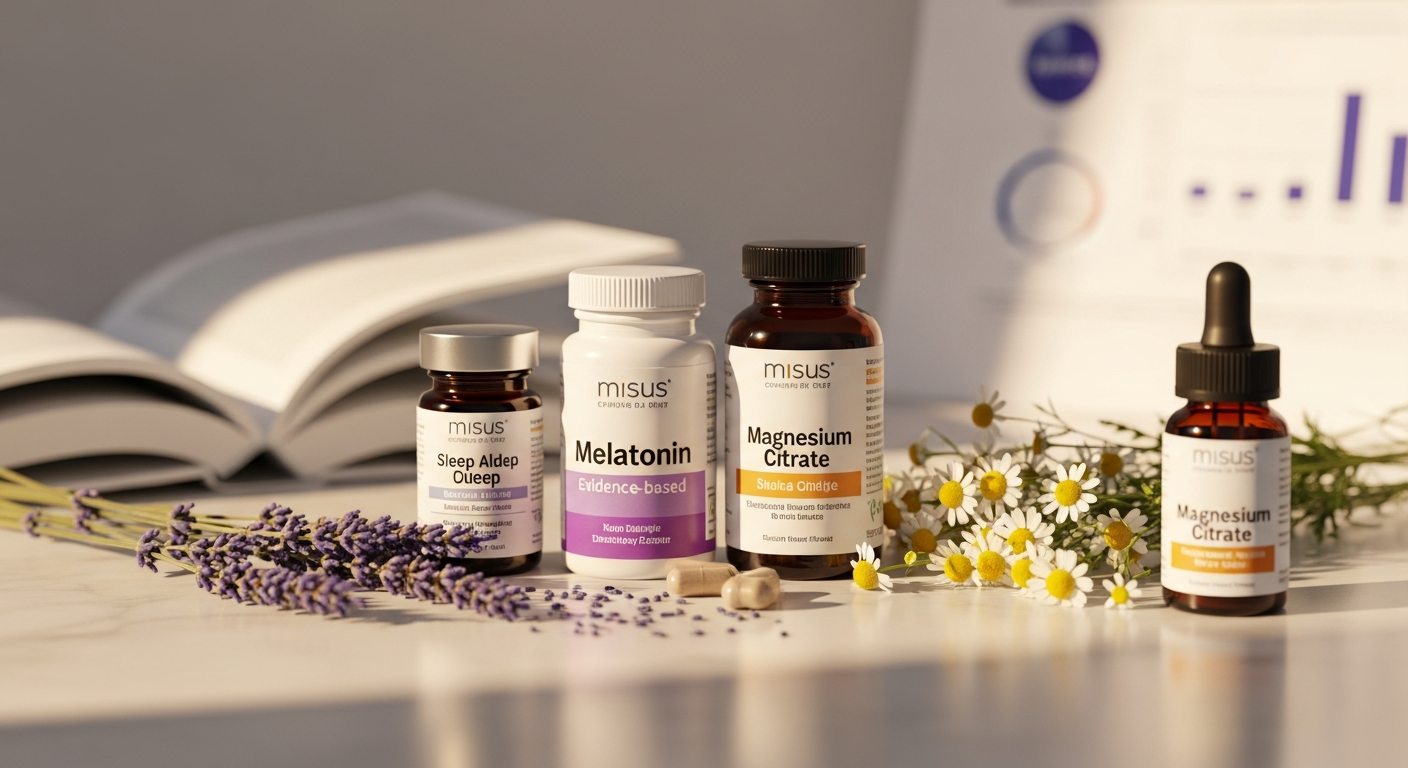
Many individuals turn to natural remedies because they influence neurotransmitters gently. Herbal drinks, magnesium supplements, and aromatherapy have shown measurable effects in reducing nighttime stress responses.
A teacher from Manila shared how she regained stable sleep using magnesium glycinate after months of anxiety-induced insomnia. Her therapist explained that magnesium supports GABA activity, which helps calm overstimulated brain circuits. After consistent use, she noticed fewer nighttime awakenings and improved morning clarity.
Similarly, lavender essential oil has been shown in randomized trials to reduce heart rate and anxiety, enabling smoother transition into sleep. These aids work not by sedation but by soothing the mental and physiological tension that keeps people awake.
These natural aids also carry lower risk of dependency, making them suitable for long-term mental health support. However, they work best when combined with strong sleep hygiene practices.
Some of the most effective sleep aids are behavioral techniques rooted in neuroscience. Cognitive behavioral therapy for insomnia (CBT-I), controlled breathing, and stimulus control gradually retrain the brain to associate bedtime with calm rather than tension.
A mini case study from Toronto describes a university student who struggled with intrusive nighttime thoughts. He began practicing four cycles of slow breathing before bed—inhale for four seconds, hold for one, and exhale for six. The extended exhale stimulated his parasympathetic nervous system, reducing anxiety triggers. Within three weeks, he noticed deeper sleep and fewer racing thoughts.
CBT-I remains the gold standard for chronic insomnia, endorsed by the CDC and Mayo Clinic. It helps individuals identify thought patterns, environmental triggers, and habits that undermine sleep. Instead of forcing rest, it rebuilds a healthier mental sleep architecture.
The sleep environment acts as a silent partner in mental well-being. A cluttered or overstimulating bedroom keeps the brain alert, while a calm environment signals safety.
A woman in Dubai learned this firsthand when she replaced her bright overhead lights with warm-toned lamps. She noticed her bedtime anxiety reducing simply because the softer lighting helped her nervous system shift into a lower-stress state. Research from Mayo Clinic confirms that dim lighting supports melatonin release, which is essential for sleep readiness.
Weighted blankets are another environmental tool gaining global popularity. They apply deep pressure stimulation, which mimics the soothing comfort of a hug and reduces physiological anxiety. A small trial showed that participants using weighted blankets fell asleep faster and reported lower stress levels within two weeks.
Even temperature matters. Keeping the room around eighteen degrees Celsius improves sleep depth because the body naturally cools before entering deep sleep.
Sleep thrives on routine. People who maintain consistent sleep schedules often experience fewer anxiety-related disruptions. Hydration, balanced nutrition, and regulated caffeine intake also help stabilize evening cortisol levels.
One executive in Singapore realized his nighttime anxiety peaked on days with irregular meal times and heavy caffeine intake. When he shifted his last caffeine consumption to before noon and added a light evening walk, his insomnia gradually disappeared. His therapist explained that physical movement clears stress hormones, helping the mind enter rest mode more naturally.
Nutrition also plays a major role. Foods rich in omega-3 fatty acids, tryptophan, magnesium, and antioxidants support neurotransmitter balance and emotional stability. This makes the body more receptive to sleep cues.
Small habits repeated consistently create powerful change. Over thirty days, a person who improves sleep hygiene can accumulate more than sixty hours of better-quality rest. Those sixty hours can reduce stress reactivity and significantly lower anxiety symptoms.
Emerging research points toward personalized sleep aids based on biomarkers, wearable data, and brainwave patterns. Smart headbands, low-frequency sound therapy, and AI-guided sleep coaching are shaping the future of mental health–based sleep care.
However, global experts are also predicting a parallel trend back to simplicity. Minimalist sleep environments, natural supplements, non-digital relaxation methods, and behavior-based therapies are regaining popularity because they address root causes rather than symptoms.
Sustainability is another major factor. Eco-friendly sleep tools—such as organic bedding, natural fibers, and toxin-free aromas—are becoming essential as people seek mental calm without chemical or environmental burden.
This hybrid future suggests that the most effective sleep aids will combine ancient wisdom with modern science, offering balanced and individualized paths to nighttime peace.
The journey to finding the best sleep aids for stress and anxiety is deeply personal yet universally important. In a world filled with constant pressure, uncertain futures, and digital overload, sleep has become a lifeline that restores emotional strength, mental clarity, and overall well-being.
Whether someone chooses natural aids, behavioral techniques, environmental adjustments, or lifestyle changes, the goal remains the same: calming the mind enough to let the body rest. When sleep improves, mental health rises naturally, allowing people to navigate challenges with greater resilience and confidence.
Readers seeking deeper insights into wellness, stress reduction, and mental health support can explore more expert-backed guides at The Gangchil, where global health topics are explained with clarity and compassion.
1. What is the most effective sleep aid for stress and anxiety?
The most effective aid depends on individual needs, but behavioral techniques like CBT-I show the strongest long-term results.
2. Are natural sleep aids safe for everyday use?
Most natural aids such as magnesium or lavender are safe when used correctly, but individual medical conditions should be considered.
3. How long does it take for sleep aids to show improvement?
Some aids work immediately, while behavioral and environmental changes may take two to four weeks of consistent practice.
4. Can sleep aids replace therapy for anxiety?
Sleep aids support mental health but do not replace clinical therapy when dealing with chronic or severe anxiety.
If you want a shorter version, a more medical tone, or a social-media-optimized version, I can create that instantly.
Posted 7:27 pm | Tuesday, 02 December 2025
| nm