

On a rainy evening in Vancouver, Anna reaches for a small wooden box that sits near her kitchen window. Inside are dried elderberries, ginger slices, and chamomile blossoms. She brews a gentle tea, not because she feels sick, but because she has learned that care works best before strain becomes illness.
Across the US and Europe, more people are turning toward herbal remedy kits for immune support and daily resilience as part of everyday wellness, not emergency treatment. This shift reflects a growing understanding that immunity is not a switch that flips on when infection arrives. It is a living system shaped by sleep, nutrition, stress, and daily rhythms.
Research from the European Centre for Disease Prevention and Control shows that lifestyle-based immune support plays a significant role in reducing the frequency and severity of seasonal infections. While herbs are not cures, many plant compounds support immune modulation and inflammation balance when used responsibly.
Herbal remedy kits bring these practices into simple, repeatable routines that fit into modern life without overwhelming it.
Immunity depends on communication between cells, tissues, and signaling molecules. When stress remains high, this communication weakens. Herbal remedies work less like shields and more like steady messengers that help restore internal dialogue.
Many herbs contain polyphenols and bioactive compounds that influence immune signaling pathways. For example, elderberry supports antiviral responses, while ginger contributes to anti-inflammatory regulation. Research published in Frontiers in Immunology in 2023 highlights how plant compounds can support innate immune responses without overstimulation.
Herbal remedy kits combine complementary herbs so users can maintain balance rather than chasing quick fixes. Instead of reacting to symptoms, the focus shifts toward supporting baseline resilience.
This approach feels gentle, yet its strength lies in consistency.
Resilience describes the body’s ability to recover after challenge. In immune health, this means returning to balance after stress, poor sleep, or environmental exposure.
A 2024 study in The Lancet Healthy Longevity linked chronic stress with reduced immune responsiveness in adults aged 30 to 65. Participants who practiced daily wellness routines, including herbal supplementation, showed improved inflammatory markers over time.
Herbal remedy kits encourage daily habits rather than seasonal panic buying. Morning tonics, evening teas, and gentle adaptogens become part of routine self-care.
When support becomes predictable, the immune system learns stability rather than emergency response.
In northern Germany, Lukas struggled with repeated winter colds that disrupted his work and family life. His doctor ruled out underlying conditions but suggested strengthening preventive habits.
Lukas began using an herbal remedy kit that included echinacea, thyme, and rosehip. Alongside improved sleep and regular meals, he noticed fewer infections over the following year.
While individual outcomes vary, observational studies support similar experiences. A 2023 review in Nutrients found that combined lifestyle and herbal interventions reduced respiratory infection frequency in working adults.
Lukas still catches the occasional cold. Yet recovery now feels faster, and his energy returns more quickly.
Stress and immunity share deep biological links. Elevated cortisol suppresses immune activity, making stress management essential to immune resilience.
Adaptogenic herbs such as ashwagandha and rhodiola support stress response regulation. These herbs do not stimulate or sedate but help normalize physiological reactions.
Clinical trials published in Phytomedicine in 2024 show reduced cortisol levels and improved perceived stress in adults using standardized adaptogenic extracts for eight weeks.
Herbal remedy kits that include adaptogens acknowledge that immune support begins in the nervous system.
Calmer minds often allow stronger immune responses.
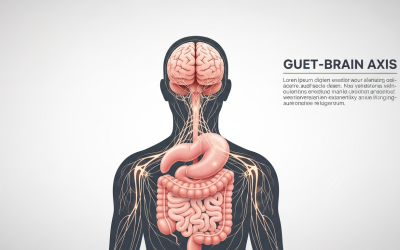
Nearly seventy percent of immune cells reside in the gut. Digestive balance directly affects immune signaling.
Herbs like peppermint, fennel, and licorice root support digestive comfort and microbiome stability. By easing digestion, nutrient absorption improves, and inflammatory signals decrease.
A 2024 meta-analysis in Gut Microbes reported improved microbiome diversity in participants using plant-based digestive supplements alongside dietary changes.
Herbal remedy kits often pair immune herbs with digestive support, recognizing that resilience begins with assimilation, not defense.
When digestion improves, immunity often follows.
One reason herbal remedy kits have gained popularity is their adaptability. Busy schedules rarely allow elaborate rituals, yet small daily practices remain possible.
Many people prepare herbal infusions while cooking dinner or carry tinctures during commutes. These moments do not require isolation or retreat.
Research on habit formation from University College London suggests that behaviors linked to existing routines are more likely to persist.
Herbal wellness becomes sustainable when it blends into life rather than interrupting it.
Not all herbal products meet the same standards. Contamination, improper dosage, and unsustainable harvesting remain concerns in global herbal markets.
Reputable herbal remedy kits source from certified organic farms and provide transparent ingredient labeling. Third-party testing ensures purity and potency.
The World Health Organization encourages standardized quality control in traditional medicine, particularly in consumer herbal products.
Responsible wellness includes knowing where remedies come from and how they are prepared.
Trust grows when transparency remains visible.
Herbal traditions span centuries across Asia, Europe, and Indigenous cultures. Modern science now studies these practices with contemporary research tools.
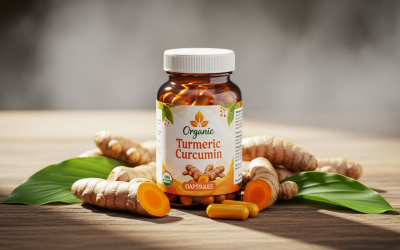
For example, turmeric has long served inflammatory balance in Ayurvedic medicine. Recent clinical studies confirm curcumin’s immune-modulating effects.
A 2024 publication in Journal of Ethnopharmacology emphasizes the value of combining traditional knowledge with laboratory validation.
Herbal remedy kits bridge ancestral wisdom with modern formulation methods, preserving heritage while improving consistency.
Wellness becomes richer when history and science speak together.
Daily resilience grows from rhythm, not intensity. Many people begin with simple morning or evening herbal moments that signal care.
Even small rituals, such as sipping warm herbal tea before sleep, can support relaxation and digestion, which indirectly strengthens immunity.
Behavioral psychology suggests that rituals increase adherence because they attach meaning to routine actions.
Herbal support becomes most powerful when paired with adequate rest, hydration, and mindful stress management.
No single herb replaces balanced living.
Herbal remedy kits for immune support and daily resilience offer more than botanical blends. They offer reminders that health grows quietly through repeated attention.
From busy city kitchens to rural homes, these small rituals anchor wellness in ordinary moments.
If you are exploring broader approaches to sustainable wellness, you may find helpful insights in related articles on holistic routines at
https://thegangchil.com
For deeper reading on natural daily wellness practices, you can also explore their holistic living section here:
https://thegangchil.com/category/health-and-fitness/https://thegangchil.com/holistic-wellness
Resilience rarely announces itself loudly. It builds gently, one calm habit at a time.
Do herbal remedy kits replace medical treatment?
No. They support general wellness and should complement, not replace, medical advice.
How long does it take to notice benefits?
Many people report subtle improvements in energy and recovery within several weeks of consistent use.
Are herbal kits safe for daily use?
Most quality kits are designed for regular use, but individuals with medical conditions should consult healthcare providers.
Can children use herbal remedy kits?
Some formulations suit children, but dosages and herb choices should be age-appropriate and professionally guided.
Do herbal remedies interact with medications?
Certain herbs can interact with prescriptions, so professional guidance is important when combining treatments.
World Health Organization. Traditional Medicine Strategy.
https://www.who.int/teams/traditional-complementary-integrative-medicine
European Centre for Disease Prevention and Control. Lifestyle and Immune Health.
https://www.ecdc.europa.eu
Frontiers in Immunology, 2023. Plant Compounds and Immune Modulation.
https://www.frontiersin.org/journals/immunology
The Lancet Healthy Longevity, 2024. Stress and Immune Function.
https://www.thelancet.com/journals/lanhl
Nutrients, 2023. Herbal Interventions and Respiratory Health.
https://www.mdpi.com/journal/nutrients
Phytomedicine, 2024. Adaptogens and Stress Regulation.
https://www.sciencedirect.com/journal/phytomedicine
Gut Microbes, 2024. Plant Supplements and Microbiome Diversity.
https://www.tandfonline.com/toc/kgmi20/current
Journal of Ethnopharmacology, 2024. Integrating Traditional and Modern Herbal Science.
https://www.sciencedirect.com/journal/journal-of-ethnopharmacology
Posted 7:40 pm | Thursday, 15 January 2026
| nm