
In the vast world of health information, finding reliable guidance can feel overwhelming. Every day, new fitness trends and exercise routines appear, promising rapid results. Yet for many people, the real challenge lies not in discovering options but in understanding which strategies are safe, effective, and sustainable.
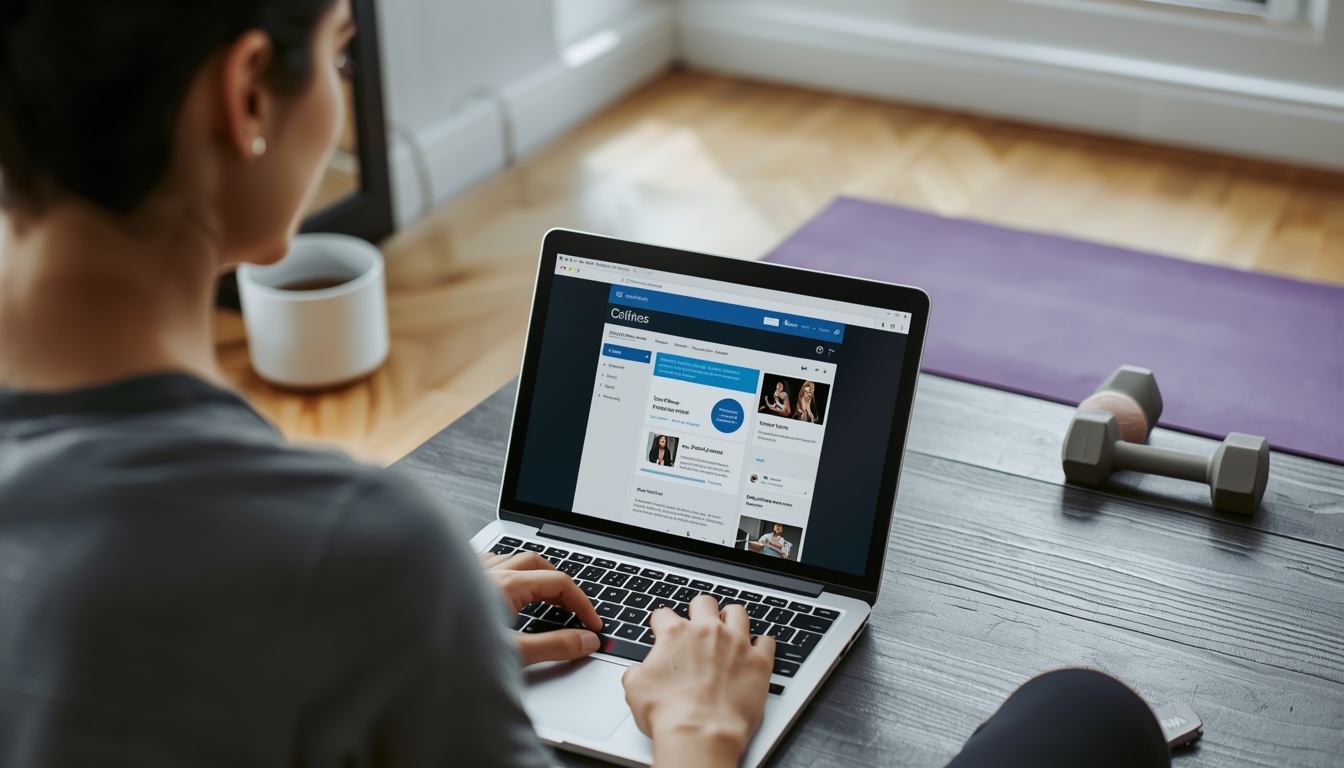
This is where trusted resources like the Mayo Clinic’s extensive online database become invaluable. Many ask how to use Mayo Clinic’s database for fitness tips to improve daily wellness safely and sustainably. This article takes a reflective journey into exploring Mayo Clinic’s tools, interpreting their advice, and integrating evidence-based fitness strategies into real-life routines.
The Mayo Clinic has long been a pillar of evidence-based healthcare, offering guidance that combines clinical expertise with practical lifestyle advice. Their database encompasses articles, videos, and research summaries on cardiovascular exercise, strength training, flexibility, and wellness habits.
For instance, a beginner seeking low-impact exercise guidance can find detailed routines emphasizing joint safety, while more advanced users can explore strength-building or interval training programs. Importantly, Mayo Clinic guidance is rooted in peer-reviewed research and clinical observation.
Research suggests that following structured, evidence-backed exercise programs significantly improves cardiovascular health, muscle strength, and mental wellness. Gangchil’s article on children’s gut health and mental wellness illustrates how lifestyle interventions, including physical activity, can enhance overall health across age groups.
With social media and fitness influencers shaping trends, misinformation is common. Using an authoritative source like Mayo Clinic ensures guidance is accurate, clinically validated, and adaptable to personal needs.
For instance, the Mayo Clinic database has safety notes for people with heart problems, arthritis, or other health issues. This kind of information is often missing from online fitness forums. Harvard Health research also supports the value of expert-backed exercise planning, linking structured activity to lower risks of chronic disease, improved mood, and longer life expectancy.
In essence, accessing reliable data reduces risk and increases confidence in adopting sustainable fitness habits.
Finding relevant information requires thoughtful exploration. Mayo Clinic’s database is organized into health topics, fitness categories, and wellness guides. Practical navigation steps include:
Many pages include step-by-step routines, safety tips, and modifications for different fitness levels, making evidence-based fitness accessible for global readers.
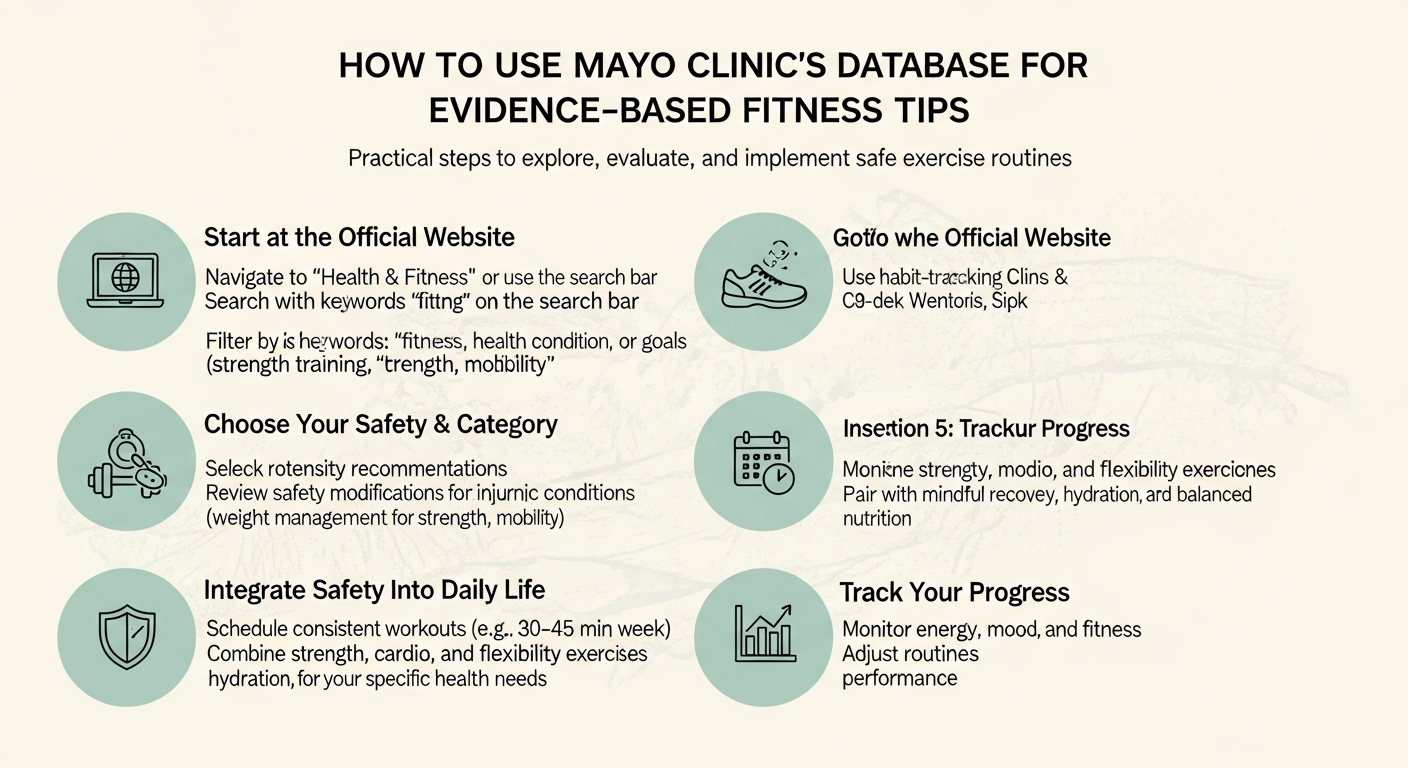
Even within trusted sources, context matters. Mayo Clinic content often includes intensity recommendations, frequency guidance, and safety precautions. Readers are encouraged to evaluate:
For example, a person recovering from knee surgery may find low-impact cardio or aquatic exercise routines recommended in the database, which aligns with physical therapy protocols and reduces reinjury risk.
Evidence-based knowledge becomes meaningful only when applied. Mayo Clinic’s fitness tips can be integrated by:
Gangchil’s natural immunity support guide demonstrates how lifestyle integration, including movement and diet, produces measurable wellness improvements, supporting the principle that fitness is a holistic practice.
Consider a professional in Germany who uses Mayo Clinic’s database to structure home workouts during pandemic restrictions. By following clinically recommended routines for cardiovascular health, strength, and flexibility, she observed improved energy, reduced stress, and better posture within months.
Similarly, a family in Canada adopted child-friendly routines from the database, integrating outdoor movement, age-appropriate strength exercises, and mindfulness practices. Children exhibited enhanced focus, mood regulation, and social engagement, showing how evidence-based guidance can be adapted across generations.
While Mayo Clinic tips are evidence-based, they complement, not replace, professional medical advice. Individuals with chronic conditions, injuries, or other health concerns should consult healthcare providers before implementing new routines.
Research indicates that exercise programs coordinated with healthcare professionals lead to better adherence, improved outcomes, and reduced risk of adverse events.
The Mayo Clinic database includes trackers, instructional videos, and wellness tips. Additional tools, such as habit-tracking apps or digital journals, allow users to monitor progress, adjust intensity, and reflect on performance.
Reflective practices—logging energy, mood, and physical performance—help users personalize routines, sustaining motivation and long-term adherence.
Even with high-quality guidance, limitations exist:
Mayo Clinic emphasizes safety modifications and gradual progression. Combining this with self-reflection ensures effective and sustainable fitness practices.
By approaching fitness with evidence-based strategies and reflective practice, readers can achieve sustainable wellness while reducing risk and maximizing benefits.
Is Mayo Clinic’s database free to use?
Yes, most online content, including articles and videos, is freely accessible.
Are the fitness tips suitable for beginners?
Yes. The database provides guidance for multiple fitness levels, including beginners, intermediate, and advanced users.
Can I follow routines if I have a chronic condition?
Consult a healthcare professional first; Mayo Clinic includes modifications for many conditions.
How often should I update routines?
Progressively, based on fitness level, goals, and healthcare advice—typically every 4–8 weeks.
Does the database provide child-friendly exercises?
Yes, there are age-specific routines that promote safe physical activity for children and adolescents.
Learning how to use Mayo Clinic’s database for fitness tips is a powerful step toward sustainable health. By combining research-based guidance, reflective practice, and personal adaptation, global readers can enhance strength, resilience, and overall wellness.
Share your experiences or questions in the comments—your story may inspire another reader to embrace safe, effective fitness guided by evidence.
Posted 9:32 pm | Sunday, 08 February 2026
| nm