

Once you’ve mastered the basics of skin care routines, you can integrate advanced steps to amplify your results. These additional steps help address specific skin concerns, promote faster healing, and improve your overall complexion. Let’s explore these in detail.
Exfoliation removes dead skin cells, unclogs pores, and enhances your skin’s texture. Use chemical exfoliants like AHAs (alpha hydroxy acids) or BHAs (beta hydroxy acids) to exfoliate gently without causing micro-tears. AHAs like glycolic acid work well for dry or aging skin, while BHAs like salicylic acid are ideal for oily and acne-prone skin.
Physical exfoliation, such as scrubs, can also be used, but opt for fine particles that won’t damage your skin. Limit exfoliation to 1-2 times per week to avoid overdoing it.
Face masks deliver concentrated ingredients that address specific concerns such as hydration, acne, or brightening. Use a hydrating mask with ingredients like hyaluronic acid or aloe vera for dry skin, and try a clay mask with kaolin or charcoal to detoxify oily or acne-prone skin. Sheet masks are another excellent option for an instant glow and nourishment.
Apply a face mask once or twice a week, depending on your skin’s needs, to boost your routine’s effectiveness.
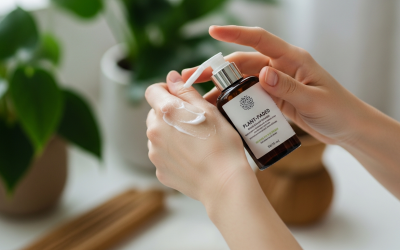
Serums are power-packed with active ingredients and penetrate deeper into the skin than moisturizers. Retinol remains a top choice for reducing wrinkles and promoting cell turnover, while niacinamide calms inflammation and improves elasticity.
Other serums worth considering include:
Apply serums right after cleansing or toning for maximum absorption.
Facial oils create a protective barrier that seals in hydration and strengthens the skin’s natural lipid layer. Jojoba oil, rosehip oil, and argan oil work wonders for dry or dehydrated skin. Meanwhile, tea tree oil effectively combats acne and inflammation for oily skin types.
Remember to apply facial oils as the last step of your evening routine to maximize benefits.
Facial tools like gua sha stones and jade rollers improve blood circulation, reduce puffiness, and enhance lymphatic drainage. Regular use results in a lifted, sculpted appearance and promotes better absorption of skin care products.
Use these tools gently with facial oil or serum to avoid tugging at the skin. The massage not only benefits your complexion but also feels incredibly relaxing.
Warmer weather increases sweat and oil production, so switch to lighter, gel-based moisturizers. Incorporate mattifying sunscreens to prevent excess shine and reapply every two hours when exposed to the sun. Additionally, include antioxidants like Vitamin C to combat free radical damage caused by UV rays.
Cold temperatures and low humidity strip the skin of moisture. Use thicker, cream-based moisturizers and incorporate hydrating serums with hyaluronic acid. Avoid harsh exfoliants during winter, as your skin tends to be more sensitive. A humidifier can also help maintain hydration levels indoors.
Beyond topical treatments, your lifestyle plays a significant role in maintaining healthy skin. Pair your routine with these tips to achieve the best results:
Focus on prevention by wearing sunscreen religiously and incorporating antioxidant serums. Use lightweight, hydrating products to maintain your skin’s natural barrier.
Start using retinol to address early signs of aging like fine lines and loss of elasticity. Add eye creams to keep the delicate under-eye area firm and hydrated.
Opt for richer, anti-aging formulas that restore hydration and target deeper wrinkles. Ingredients like peptides, collagen, and ceramides provide intense nourishment.
A consistent routine delivers the best results. Follow these tips to stay on track:
What should I do if my skin reacts to a new product?
Stop using the product immediately and apply a soothing moisturizer. Patch-test new products in the future to avoid reactions.
How long should I wait between applying products?
Wait about 30 seconds to a minute to allow each product to absorb fully before moving to the next step.
Can I mix active ingredients like retinol and Vitamin C?
Avoid mixing these two actives in one routine to prevent irritation. Use Vitamin C in the morning and retinol at night.
Should I use skincare tools like cleansing brushes?
Cleansing brushes can enhance your routine if used correctly. However, avoid overusing them to prevent skin irritation.
Can I layer multiple serums?
Yes, but limit layering to 2-3 serums at a time. Apply thinner, water-based serums first and follow with thicker, oil-based ones.
By investing time and effort into your skincare routine, you’re investing in your overall well-being. The secret to flawless skin lies in consistency, listening to your skin’s unique needs, and making informed choices about your products. Start today with the basics, experiment with advanced steps, and let your skin glow with vitality and health!
Posted 11:33 am | Wednesday, 25 December 2024
| nm