
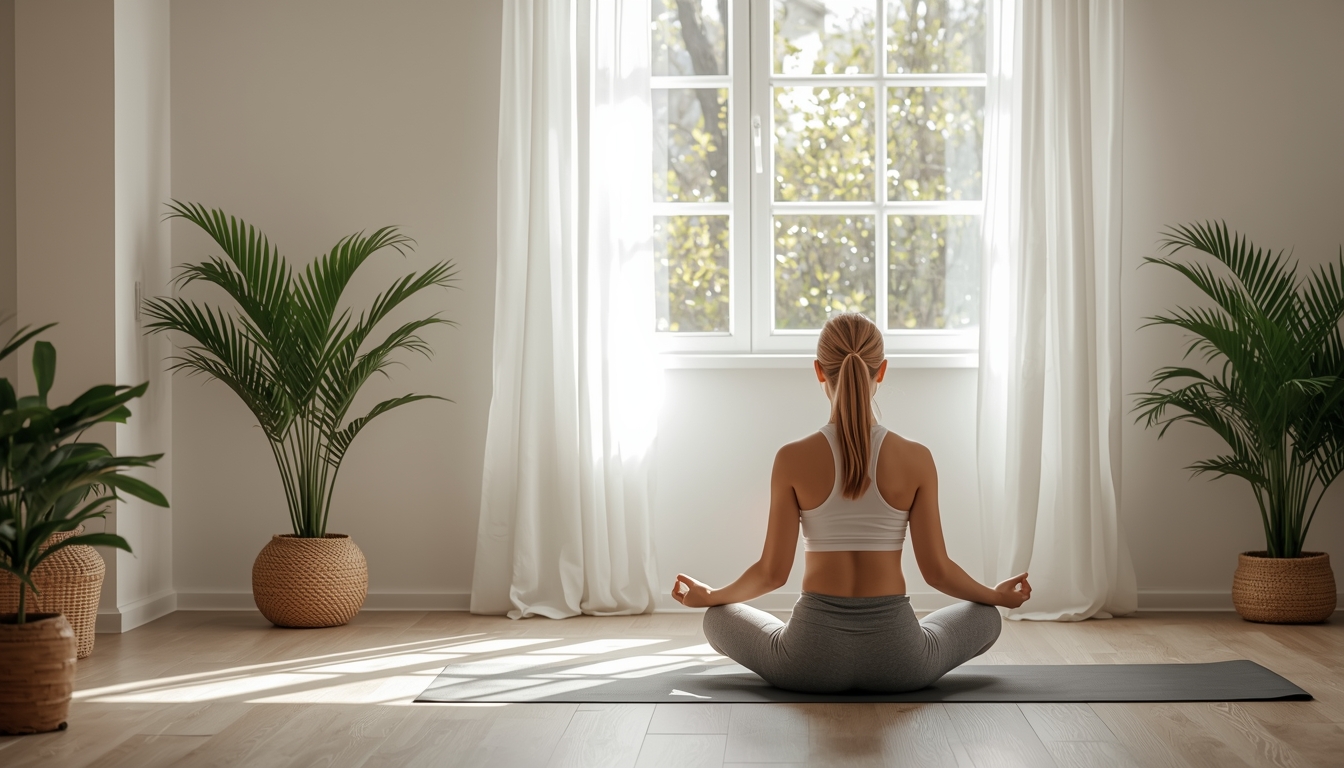
On a quiet Sunday morning in Portland, Sarah sits near her window with a cup of tea cooling beside her. She is not trying to escape her thoughts. She is learning to sit with them. For years, she believed that calm meant silence. Now she understands that calm often begins with attention.
Like many people across the US and Europe, Sarah turned toward mindfulness meditation practices for body and mind health not because life collapsed, but because it slowly felt heavier. Long work hours, constant digital noise, and low-grade anxiety had crept into her daily rhythm. Sleep felt shallow. Focus felt scattered. Her body carried tension even on rest days.
Research suggests her experience is far from rare. According to the World Health Organization, stress-related conditions remain among the fastest growing contributors to global health challenges. In response, mindfulness meditation has moved from spiritual centers into hospitals, therapy clinics, and corporate wellness programs.
Yet mindfulness remains deeply personal. It is not a performance. It is a relationship with attention that grows through patience, curiosity, and practice. When done gently, it reconnects awareness with physical sensation, emotional signals, and mental habits that often run unseen.
This article explores how mindfulness meditation supports both physical and emotional health, grounded in research, real experiences, and routines that fit into ordinary lives without pressure.
The nervous system constantly shifts between activation and recovery. In modern environments, recovery often receives less time. Mindfulness meditation offers structured moments where the body can exit alert mode and return to regulation.
Researchers describe this shift as activation of the parasympathetic nervous system, which supports digestion, tissue repair, and emotional stability. When breathing slows and attention settles, heart rate variability improves, a marker linked to resilience and cardiovascular health.
A 2024 study in JAMA Network Open found that mindfulness-based programs reduced physiological stress markers in adults experiencing chronic work-related stress. Participants also reported improved sleep and emotional regulation after eight weeks of practice.
What makes mindfulness unique is not intensity, but consistency. Small periods of awareness practiced daily gradually retrain the nervous system’s response to stress.
For many people, this steady retraining feels like regaining a sense of internal safety that had quietly faded.
Physical discomfort often carries emotional layers. When pain persists, the body’s alarm system remains active, which can amplify suffering. Mindfulness does not remove pain, yet it changes how pain is experienced.
Through attentive breathing and gentle observation, individuals learn to notice sensations without immediate resistance. This shift reduces the emotional struggle that often worsens discomfort.
Clinical programs such as Mindfulness-Based Stress Reduction, originally developed at the University of Massachusetts Medical School, have demonstrated benefits for chronic pain management. A 2023 review in Pain Reports found that mindfulness training improved pain coping skills and reduced pain-related anxiety.
One patient in London described learning to breathe into tense muscles rather than bracing against them. Over time, she reported fewer flare-ups and improved mobility.
Mindfulness does not replace medical treatment. It complements it by restoring a sense of agency in how the body is experienced moment to moment.
Emotions rise and fall like weather patterns, yet many people respond to them as fixed states. Mindfulness teaches emotional observation rather than immediate reaction.
By noticing emotional sensations in the body, such as tightness in the chest or warmth in the face, people gain distance from impulsive responses. This space allows choice.
Neuroscience research shows that mindfulness strengthens connections between the prefrontal cortex and the amygdala, improving emotional regulation. A 2024 study in Nature Human Behaviour reported improved emotional stability in participants who practiced daily mindfulness for twelve weeks.
In practical terms, this may look like fewer emotional spirals and quicker recovery after conflict. Many people describe responding more thoughtfully rather than reacting automatically.
Emotional balance does not mean emotional absence. It means meeting feelings with steadiness rather than resistance.
In Amsterdam, Thomas worked in digital marketing, thriving on deadlines until exhaustion quietly took over. Brain fog replaced creativity. Small setbacks felt overwhelming.
His therapist suggested integrating short mindfulness sessions into his day, not as escape, but as recalibration. He began with five minutes of breathing before work and brief body scans during lunch breaks.
Within weeks, he noticed clearer thinking and improved mood. After three months, he returned to regular exercise and social activities that previously felt draining.
His experience aligns with research from the European Journal of Preventive Cardiology, which links mindfulness practice with improved cognitive function and reduced burnout symptoms.
Recovery often begins with listening to signals that were long ignored.
Mindfulness and yoga share deep historical roots. While yoga engages the body through movement, mindfulness strengthens awareness of those movements.
When practiced together, they support both flexibility and interoception, the ability to sense internal bodily states. This awareness improves posture, breathing efficiency, and emotional grounding.
Many yoga instructors now emphasize mindful transitions between poses rather than performance. This approach reduces injury risk and increases relaxation benefits.
A 2023 meta-analysis in Complementary Therapies in Medicine found that combined yoga and mindfulness programs improved mental health outcomes more than either practice alone.
For beginners, mindful yoga may begin with noticing breath during simple stretches. Over time, the body learns to release unnecessary effort.
Movement becomes a form of meditation rather than exercise alone.
Consistency shapes mindfulness benefits more than session length. Short practices repeated daily influence nervous system habits more effectively than occasional long sessions.
Morning mindfulness often sets emotional tone for the day. Evening practice supports sleep by quieting mental activity.
Many people find success with breath awareness, brief body scans, or walking meditation integrated into daily activities. Even mindful dishwashing or showering strengthens attention skills.
Technology can help or hinder. Some apps provide structured guidance, while others increase screen dependency. Finding balance matters.
Research from Stanford University suggests that behavioral habit formation improves when routines attach to existing daily cues, such as waking or bedtime rituals.
Mindfulness grows strongest when it feels woven into life rather than added as another task.
Mindfulness originated within contemplative traditions, yet modern healthcare has adapted it for secular therapeutic use. This shift expanded accessibility while preserving core principles of attention and compassion.
Hospitals now offer mindfulness programs for anxiety, depression, and cardiovascular recovery. Schools introduce mindfulness to improve emotional literacy and focus.
A 2024 report by the American Psychological Association highlights mindfulness as an evidence-based intervention for stress-related disorders, especially when combined with cognitive behavioral therapy.
Despite cultural adaptation, ethical mindfulness practice maintains respect for its roots while serving diverse populations.
True mindfulness remains less about technique and more about relationship with awareness itself.
Some approach mindfulness hoping for instant calm. When restlessness persists, disappointment follows. Yet mindfulness does not aim to eliminate discomfort. It changes how discomfort is held.
Research suggests that early practice often increases awareness of tension before relief appears. This phase reflects greater sensitivity rather than worsening conditions.
Teachers encourage patience, emphasizing that mindfulness is a skill developed gradually, similar to physical conditioning.
In this way, mindfulness respects natural learning curves rather than promising immediate transformation.
Progress appears in small shifts, quieter reactions, steadier breathing, and gentler self-talk.
Beyond emotional benefits, mindfulness influences behaviors that shape long-term health. Improved awareness supports better sleep, nutrition choices, and physical activity consistency.
Studies from Harvard Medical School link mindfulness with reduced inflammatory markers, which play roles in cardiovascular and metabolic conditions.
A 2024 cohort study in Psychosomatic Medicine found lower incidence of hypertension among adults practicing mindfulness regularly for over one year.
While mindfulness alone does not replace medical care, it strengthens self-regulation systems that support healing.
Health grows not only through treatment, but through daily attention to how the body feels and responds.
Mindfulness meditation practices for body and mind health invite people back into conversation with themselves. In quiet moments of attention, signals emerge that guide rest, movement, and emotional response.
Across cultures and healthcare systems, mindfulness continues to prove its value not as trend, but as skill that nurtures balance in fast-paced lives.
If you are exploring deeper ways to support emotional wellness, you may also find guidance in this related reflection on holistic self care at
https://thegangchil.com
Gentle awareness does not demand perfection. It offers presence, and from presence, healing often begins.
How long should mindfulness sessions last for beginners?
Many people begin with five to ten minutes daily and gradually extend sessions as comfort grows.
Can mindfulness help with anxiety disorders?
Research suggests mindfulness reduces anxiety symptoms, especially when combined with therapy.
Is mindfulness suitable for children and teenagers?
Yes, age-appropriate mindfulness programs improve focus and emotional regulation in young people.
Do I need special equipment to practice mindfulness?
No equipment is required. Comfortable seating and quiet space help but are not essential.
How is mindfulness different from relaxation techniques?
Mindfulness emphasizes awareness of experience, while relaxation focuses on reducing physical tension.
World Health Organization. Stress and Mental Health Overview.
https://www.who.int/teams/mental-health-and-substance-use
JAMA Network Open, 2024. Mindfulness and Stress Biomarkers.
https://jamanetwork.com/journals/jamanetworkopen
Nature Human Behaviour, 2024. Emotional Regulation and Mindfulness Training.
https://www.nature.com/nathumbehav
Pain Reports, 2023. Mindfulness and Chronic Pain Management.
https://journals.lww.com/painrpts
Complementary Therapies in Medicine, 2023. Yoga and Mindfulness Meta-Analysis.
https://www.sciencedirect.com/journal/complementary-therapies-in-medicine
American Psychological Association. Mindfulness in Clinical Practice.
https://www.apa.org
Harvard Medical School. Mindfulness and Inflammation Research.
https://www.health.harvard.edu
Psychosomatic Medicine, 2024. Mindfulness and Cardiovascular Health.
https://journals.lww.com/psychosomaticmedicine
Posted 8:47 pm | Thursday, 15 January 2026
| nm