
Women’s Wellness · Global Perspectives
For many, menopause arrives quietly — unannounced until sleep grows elusive, or a mood shift arrives without warning on an otherwise ordinary Tuesday morning. Across cities from Dallas to Dhaka, from Berlin to Brisbane, the lived experience reveals a universal truth: this phase touches every part of a woman’s life, and it does so on its own timeline, in its own way.
According to the North American Menopause Society (NAMS, 2025), over one billion women worldwide will pass through menopause by 2030. Each carries with her a constellation of symptoms, cultural expectations, and profoundly personal narratives — and increasingly, a shared desire for approaches that feel as natural as the transition itself.
Within these shifting years, global searches for natural approaches to menopause symptoms relief have soared by more than 40% internationally (Google Trends, 2024), as women seek to ease discomfort, retain agency over their bodies, and cultivate wellbeing that complements — rather than replaces — medical guidance.
Menopause brings a range of symptoms that are often minimized in daily conversation yet deeply disruptive in daily life. Hot flashes, night sweats, brain fog, disrupted sleep, vaginal dryness, mood shifts, joint discomfort, and a subtle, persistent anxiety can become constant companions through perimenopause and beyond.
Real Story“I was 48, standing in a board meeting in London, when the heat rushed through me like a wave. I excused myself, splashed cold water on my face, and stood quietly in a bathroom stall wondering if the woman who’d walked into that room that morning would ever feel steady again.”
— Margaret, 52, London
Margaret’s experience is not exceptional. The SWAN Study (Study of Women’s Health Across the Nation), one of the most comprehensive longitudinal studies on menopause, found that up to 80% of women experience vasomotor symptoms such as hot flashes and night sweats, with many reporting significant effects on quality of life, work performance, and relationships.
Yet what makes menopause uniquely complex is its cultural invisibility. Many women report feeling unprepared — by their mothers, their doctors, and a wellness culture that prizes the freshness of youth. Understanding that these symptoms have roots in falling estrogen and progesterone levels, and that the body is adapting rather than failing, is itself a form of relief.
Long before pharmaceutical interventions existed, women around the world developed sophisticated herbal traditions for navigating life’s hormonal transitions. Today, modern science is beginning to catch up with what grandmothers in Japan, Greece, Morocco, and Guatemala have practiced for generations.
Native to eastern North America, Actaea racemosa (black cohosh) has been used by Indigenous communities for centuries to address reproductive symptoms. Today it remains one of the most studied botanical remedies for menopause, with meta-analyses published in Menopause: The Journal of The Menopause Society suggesting meaningful reductions in hot flash frequency in some populations.
It is important to note, however, that results are mixed — black cohosh appears to work better for some women than others, possibly due to gut microbiome differences that affect its metabolism. Always consult a healthcare provider before use, particularly if you have a history of liver conditions or hormone-sensitive conditions.
Epidemiological research has long noted that Japanese women historically reported fewer vasomotor symptoms than their Western counterparts — a difference partially attributed to high dietary intake of isoflavones from soy and fermented foods. Phytoestrogens, plant compounds that gently interact with estrogen receptors, have garnered significant research attention as a result.
Soy isoflavones (found in edamame, tofu, tempeh, and miso), flaxseed lignans, and red clover extracts are the most studied sources. A 2023 review in The Lancet noted that soy isoflavones may reduce hot flash frequency by approximately 25–26% compared to placebo, with the greatest effect in women who are “equol producers” — those whose gut bacteria convert specific isoflavones into a more bioactive form.
“The body is not in crisis during menopause — it is in transition. The role of natural approaches is not to halt that transition, but to make the passage more comfortable and more understood.”
— Dr. JoAnn Pinkerton, NAMS Executive Director
Adaptogens — botanical compounds historically used in Ayurvedic and Andean traditions — have gained considerable research interest for their potential to modulate stress-response systems that become dysregulated during menopause. Withania somnifera (ashwagandha) has shown promise in small trials for reducing cortisol levels and improving sleep quality, while maca root from the Peruvian Andes has been explored for its potential effects on mood and sexual wellbeing.
These are not miracle cures — but as part of a broader, intentional lifestyle, they represent meaningful tools for many women.
No supplement can outperform a sustained nutritional strategy. The foods we eat directly influence inflammatory pathways, bone density, cardiovascular risk, and even the brain chemistry underlying mood and cognitive function — all of which are implicated in the menopause experience.
Rich in olive oil, legumes, whole grains, fish, and abundant vegetables. A 2022 study in Maturitas found adherence was associated with fewer severe vasomotor symptoms and reduced cardiovascular risk markers.
Research-backed
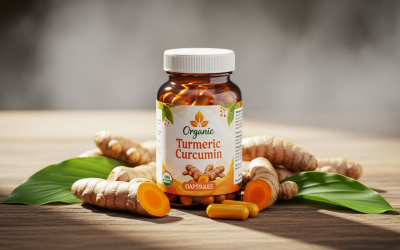
Turmeric, ginger, leafy greens, berries, and fatty fish (salmon, sardines) help modulate systemic inflammation that can amplify hot flash severity and joint discomfort during the transition.
Daily practice
Estrogen decline accelerates bone turnover. Calcium-rich foods (dairy, fortified plant milks, kale, tahini) combined with adequate vitamin D (sunlight, oily fish, supplements) are essential for long-term bone health.
Bone health
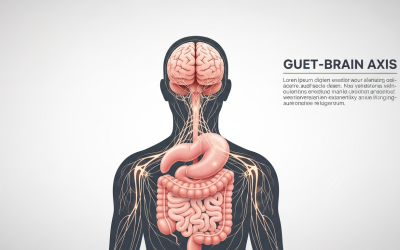
The gut microbiome plays a critical and underappreciated role in estrogen metabolism. Yogurt, kefir, kimchi, and high-fiber foods support microbiome diversity, potentially improving estrogen recycling and mood stability.
Gut-hormone axis
Global Perspective“After I moved from Osaka to Toronto at 47, my hot flashes became much worse. My doctor suggested it might partly be the dietary shift — away from fermented foods and soy. Going back to miso soup daily and eating tofu three times a week, within four months, something quietly shifted.”
— Yuki, 51, Toronto
Research consistently links certain dietary patterns to worsened menopausal symptoms. Alcohol significantly increases hot flash frequency and disrupts sleep architecture. Ultra-processed foods, refined sugars, and excessive caffeine (particularly in the afternoon) are associated with more severe vasomotor symptoms in numerous observational studies. This does not require perfection — but awareness creates choices.
If there were a single intervention that addressed hot flashes, sleep disruption, mood changes, bone density loss, cardiovascular risk, weight changes, and cognitive function all at once — it would be exercise. The research evidence here is not suggestive. It is compelling.
A landmark meta-analysis published in Menopause journal (Daley et al., 2024) found that regular aerobic exercise reduced the severity — though not always frequency — of vasomotor symptoms, while resistance training showed significant effects on body composition, bone mineral density, and mood scores in perimenopausal women.
Real Story“I was deeply skeptical. I was exhausted — the last thing I wanted was to exercise. My physiotherapist suggested I start with ten minutes of walking in the morning, nothing more. Three months later I was lifting weights twice a week and sleeping through the night for the first time in two years.”
— Claudia, 53, São Paulo
The relationship between exercise and sleep in menopause is particularly powerful. Regular physical movement has been shown to reduce sleep onset latency and improve deep sleep architecture — addressing one of the most impactful quality-of-life complaints women report during this transition.
The menopause transition does not occur in isolation from a woman’s psychological world. Elevated cortisol — the hallmark of chronic stress — directly amplifies vasomotor symptoms, disrupts sleep, and accelerates the inflammatory processes underlying joint pain and cognitive symptoms. Mind-body practices address this cascade directly and with growing scientific support.
Originally developed by Jon Kabat-Zinn at the University of Massachusetts, MBSR has now been trialed specifically in menopausal populations. A 2023 randomized controlled trial published in JAMA Internal Medicine found that an 8-week MBSR program significantly reduced both the frequency of hot flashes and women’s perception of their interference with daily life — even when the physiological events themselves were unchanged. This speaks powerfully to the role of the nervous system in how we experience symptoms.
CBT has emerged as perhaps the most evidence-based non-pharmacological intervention for menopausal symptoms. The UK’s National Institute for Health and Care Excellence (NICE) now recommends CBT as a first-line treatment for mood changes and sleep disruption during menopause. Apps like Sleepio and Daylight, as well as therapist-led programs, make this increasingly accessible internationally.
Slow, diaphragmatic breathing — known clinically as paced respiration — has been shown in multiple trials to reduce the intensity of hot flash discomfort by activating the parasympathetic nervous system. Practicing 6–8 slow, deep breaths per minute at the onset of a hot flash can meaningfully reduce its perceived intensity and duration.
“You cannot always change the physiology, but you can always work with how the mind receives it. Menopause taught me that distinction profoundly.”
— Dr. Pauline Maki, Professor of Psychiatry, University of Illinois Chicago
Sleep disruption is consistently ranked among the most debilitating aspects of the menopause transition. Night sweats create a cycle of broken sleep, which elevates cortisol, which worsens mood and cognitive function, which in turn heightens anxiety — making the next night equally difficult. Breaking this cycle requires both behavioral and environmental approaches.
Consistent sleep and wake times, even on weekends. A cool bedroom (16–19°C / 61–66°F) is especially critical during menopause. Blackout curtains and white noise can make a significant difference.
First-line
Magnesium plays a role in GABA receptor function and muscle relaxation. A dose of 300–400mg glycinate form taken 1–2 hours before bed has supportive evidence for improving sleep quality and reducing nighttime waking.
Supplement
Traditional sedative herbs with some clinical evidence for reducing sleep onset time and anxiety. Best used as part of a broader sleep strategy rather than standalone solutions. Passionflower tea before bed is a gentle starting point.
Herbal
Cooling mattress toppers, moisture-wicking bedding, and the “hot shower paradox” (a warm shower 1 hour before bed triggers the post-thermal drop that accelerates sleep onset) are evidence-supported behavioral tools.
Environmental
Natural approaches are not the right answer for every woman in every situation — and intellectual honesty requires saying so clearly. Hormone replacement therapy (HRT/MHT), when prescribed appropriately, remains the most effective treatment for moderate-to-severe vasomotor symptoms and carries a well-established safety profile for the majority of women under 60 or within 10 years of menopause onset (NAMS Position Statement, 2022).
The question is rarely natural or medical — it is what combination best serves this particular woman’s needs, risks, and values?
| Approach | Hot Flashes | Sleep | Mood | Bone Health | Cardiovascular |
|---|---|---|---|---|---|
| HRT/MHT | ✓✓✓ High efficacy | ✓✓ | ✓✓ | ✓✓✓ | ↔ Variable |
| Exercise | ✓ Moderate | ✓✓ | ✓✓✓ | ✓✓ | ✓✓✓ |
| MBSR/CBT | ✓✓ Perception | ✓✓✓ | ✓✓✓ | — | ✓ |
| Dietary Changes | ✓ Mild | ✓ | ✓ | ✓✓ | ✓✓ |
| Herbal (e.g., Black Cohosh) | ✓ Mixed | ✓ | ✓ | — | — |
| Acupuncture | ✓ Modest | ✓ | ✓ | — | — |
✓✓✓ Strong evidence · ✓✓ Moderate evidence · ✓ Limited/emerging evidence · — Insufficient evidence. Always consult your healthcare provider.
The biomedical framing of menopause as a deficiency state is a relatively recent and culturally specific perspective. Across many traditions, this transition has been understood as a passage into a different kind of power — and that reframing itself carries measurable physiological benefits.
In Mayan communities studied by anthropologist Yewoubdar Beyene, women approaching the cessation of menses actually looked forward to the transition, anticipating freedom from taboos and gaining increased social authority. These women reported virtually no hot flashes — a finding Beyene attributed to a complex interaction of expectation, diet, physical activity, and cultural meaning-making.
In Traditional Chinese Medicine, menopause is viewed through the lens of jing (vital essence) and kidney energy. Herbal formulas such as Zhi Bai Di Huang Wan have been used for centuries and are now receiving preliminary scientific attention for their potential effects on vasomotor symptoms.
In Ayurvedic medicine, the menopausal years are called Rajonivritti — literally the “cessation of the menstrual cycle.” Treatments focus on balancing Vata dosha through warm, nourishing foods, abhyanga (self-massage with sesame oil), and specific herbs including Shatavari (Asparagus racemosus), which is being studied for estrogenic activity and adaptogenic properties.
No single protocol serves every woman. Menopause is not a monolith — it is deeply personal, shaped by genetics, microbiome, stress history, cultural background, and life circumstance. The framework below is a starting point for building an approach that is yours.
Menopause is not an ending. It is, in the truest sense, a recalibration — a moment when the body asks to be listened to more carefully than it has perhaps ever been before. The women who navigate it most gracefully are not those who suppress every symptom, but those who engage the transition with informed curiosity, self-compassion, and the wisdom to build a personal protocol that honors both science and self.
Natural approaches to menopause symptoms relief are not a rejection of medicine — they are an expansion of the wellness toolkit. Used thoughtfully, they can transform the menopausal years from a season to endure into a season to understand, and ultimately, to inhabit fully.
Most natural interventions — dietary changes, exercise, mind-body practices, and botanical supplements — require a consistent trial of 8–12 weeks before their effects become apparent. This is longer than pharmaceutical interventions, which is why patience and tracking are essential. Lifestyle changes (exercise, diet, sleep hygiene) tend to show the earliest improvements, often within 4–6 weeks of consistent practice. Botanical supplements like black cohosh and soy isoflavones typically require 6–12 weeks for meaningful evaluation. Introduce changes one at a time so you can identify what is genuinely helping.
Most commonly used botanical supplements have favorable safety profiles when used as directed and for limited periods — but “natural” does not automatically mean “safe for everyone.” Black cohosh should be avoided by women with liver conditions or hormone-sensitive cancers. Red clover isoflavones may interact with blood thinners like warfarin. Ashwagandha should be used cautiously if you have thyroid conditions. St. John’s Wort — sometimes used for mood — interacts significantly with many medications including antidepressants and contraceptives. Always disclose all supplements to your healthcare provider, particularly if you take prescription medications.
Diet can meaningfully reduce hot flash severity and frequency, though it is unlikely to eliminate them entirely without additional interventions in moderate-to-severe cases. The strongest dietary evidence exists for soy isoflavone-rich diets (particularly in equol-producing women) and the Mediterranean dietary pattern. Eliminating known dietary triggers — alcohol, caffeine (especially in the afternoon), spicy foods, and high-sugar meals — also consistently reduces vasomotor symptom severity across multiple observational studies. Diet is most powerful as part of a multi-pronged approach that includes movement, stress management, and adequate sleep.
Yes — and the mechanism is well-established. Elevated cortisol (the primary stress hormone) directly lowers the threshold at which the thermoregulatory center in the hypothalamus triggers a hot flash. Stress also disrupts sleep architecture, worsens mood, and creates a feedback loop that amplifies almost every menopausal symptom. This is why mind-body practices like MBSR, CBT, yoga, and paced breathing show disproportionately strong effects relative to their biochemical “directness” — they interrupt the cortisol-symptom amplification loop at its source. Managing stress is not a soft lifestyle suggestion; it is central nervous system medicine.
For many women, the most effective approach is an integrative one that combines both. HRT/MHT remains the gold standard for moderate-to-severe vasomotor symptoms and offers additional benefits for bone density and cardiovascular health when initiated within 10 years of menopause onset. Natural approaches — exercise, diet, stress management, and select supplements — meaningfully complement HRT by addressing symptom domains where hormonal therapy has less direct effect (e.g., cognitive function, weight management, joint health, psychological resilience). The decision should be made collaboratively with a menopause-informed clinician, weighing individual risk profiles, symptom severity, personal values, and quality-of-life priorities. Neither approach is superior in every case.
Posted 12:25 am | Saturday, 28 February 2026
| nm