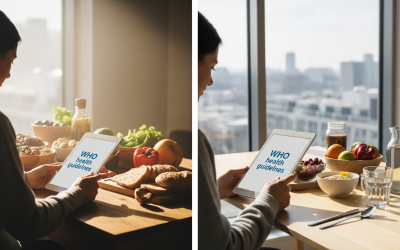


Anxiety disorders impact a staggering 40 million adults in the United States alone, yet only 36.9% of those affected seek professional treatment. For those reluctant to rely on prescription medications, natural remedies may offer a promising solution to manage anxiety without the potential side effects. Discover how you can regain control over your mental well-being and find relief through holistic approaches.
Anxiety is a common mental health condition that affects millions of individuals worldwide. It is characterized by persistent feelings of worry, fear, and apprehension, often accompanied by physical symptoms such as a racing heartbeat, sweating, and muscle tension. Understanding the nature of anxiety and its impact on daily life is crucial for developing effective coping strategies and seeking appropriate treatment.
Anxiety is the body’s natural response to perceived threats or stressful situations. It is a protective mechanism that helps us stay alert and prepared to face challenges. However, when anxiety becomes excessive or persistent, it can interfere with one’s ability to function normally in daily life.
Anxiety can have a significant impact on an individual’s daily life. It can lead to difficulties in completing tasks, maintaining healthy relationships, and finding joy in everyday activities. Individuals with anxiety may also experience a decreased sense of well-being and an overall reduced quality of life.
| Area of Impact | Effects of Anxiety |
|---|---|
| Work and Productivity | Difficulty focusing, reduced work performance, absenteeism |
| Relationships | Strained communication, social withdrawal, difficulty trusting others |
| Physical Health | Increased risk of cardiovascular problems, weakened immune system, sleep disturbances |
| Mental Well-being | Decreased self-esteem, increased risk of depression, reduced overall quality of life |
By understanding the nature of anxiety and its potential impacts, individuals can take proactive steps to manage their symptoms and improve their overall well-being. Seeking professional support and exploring a range of natural remedies can be effective in addressing the challenges posed by anxiety.
When it comes to managing anxiety, natural remedies can offer a compelling alternative to traditional medications. These holistic approaches to mental health provide distinct advantages that are worth considering for individuals seeking a more comprehensive, side-effect-free solution.
One of the primary benefits of natural anxiety relief is the reduced risk of unwanted side effects. Many prescription medications for anxiety can come with a laundry list of potential adverse reactions, from drowsiness and dizziness to digestive issues and dependence. Natural remedies, on the other hand, tend to be gentler on the body and often have a lower incidence of side effects, allowing individuals to find relief without compromising their overall well-being.
Another advantage of natural anxiety relief is its accessibility and cost-effectiveness. Many herbal supplements, mindfulness techniques, and dietary changes can be incorporated into one’s daily routine without the need for a prescription or costly medical appointments. This makes natural remedies an attractive option for those with limited financial resources or who prefer a more self-directed approach to their mental health management.
Perhaps the most significant benefit of natural remedies is their holistic approach to mental health. Rather than solely addressing the symptoms of anxiety, these methods aim to address the underlying causes and promote overall well-being. By incorporating lifestyle changes, stress-management strategies, and a focus on whole-body health, natural remedies can help individuals develop a more comprehensive and sustainable approach to managing their anxiety.
Ultimately, the use of natural remedies for anxiety presents a compelling alternative to traditional medications, offering a range of benefits that can empower individuals to take a more active role in their mental health journey.
In the quest for natural remedies to alleviate anxiety, herbal supplements have emerged as a promising option. These plant-based solutions offer an alternative to traditional medications, often with fewer side effects and a more holistic approach to mental well-being. Let’s explore three of the most renowned herbs for anxiety: chamomile, lavender, and ashwagandha.
Chamomile, a daisy-like flower, has long been revered for its soothing properties. This versatile herb has been used for centuries to promote relaxation and ease anxiety symptoms. Numerous studies have suggested that chamomile may help reduce the physical symptoms of anxiety, such as muscle tension and rapid heartbeat. Its calming effects are attributed to the presence of antioxidants and compounds that interact with the brain’s neurotransmitters.
The captivating scent of lavender has a well-documented ability to induce a state of calm and tranquility. Inhaling the essential oil extracted from the lavender plant has been shown to have a measurable impact on anxiety levels. Research indicates that lavender’s aromatic compounds can influence the limbic system, the part of the brain responsible for processing emotions. Many individuals find that incorporating lavender into their daily routine, whether through diffusers, lotions, or teas, can contribute to a more relaxed and centered mental state.
Ashwagandha, an herb with roots in Ayurvedic medicine, is revered for its adaptogenic properties. Adaptogens are a class of herbs that help the body and mind adapt to stress. Numerous studies have demonstrated the potential of ashwagandha to alleviate anxiety and improve overall well-being. This ancient herb is believed to work by regulating the body’s stress response, reducing cortisol levels, and promoting a sense of calm and resilience.
As with any supplement, it’s essential to consult with a healthcare professional before incorporating herbs for anxiety into your routine. By harnessing the power of nature, individuals can explore a more holistic approach to managing their anxiety and finding a sense of balance and tranquility.
In the face of anxiety, mindfulness and meditation can offer a powerful path to relief. These practices, rooted in ancient traditions, have gained widespread recognition for their ability to calm the mind, reduce stress, and promote overall well-being.
Mindfulness, at its core, is the art of being present, focused, and attentive to the current moment. By cultivating a non-judgmental awareness of our thoughts, feelings, and physical sensations, we can learn to navigate the challenges of anxiety with greater clarity and resilience.
Guided meditation, led by experienced instructors, can be a valuable tool in managing anxiety. These sessions often incorporate soothing imagery, gentle breathing exercises, and positive affirmations, guiding individuals through a relaxing and restorative experience.
By incorporating these mindfulness and meditation techniques into your daily routine, you can unlock the natural power of your mind to alleviate anxiety and cultivate a deeper sense of inner peace.
Anxiety can be a debilitating condition, but did you know that your diet can play a significant role in managing its symptoms? Numerous studies have shown a strong connection between nutrition and mental health, highlighting the important role that certain foods and supplements can have in alleviating anxiety.
When it comes to natural anxiety relief, the foods you consume can make a difference. Some dietary choices that may help reduce anxiety include:
In addition to a balanced, anxiety-reducing diet, certain supplements can also provide natural anxiety relief. Some popular options include:
While it’s important to focus on anxiety supplements and anxiety-reducing foods, it’s equally crucial to be mindful of the impact of certain substances on your mental health. Both caffeine and sugar can exacerbate anxiety symptoms, leading to feelings of restlessness, jitteriness, and even panic. Limiting your intake of these stimulants can be a simple yet effective way to manage your anxiety naturally.
| Nutrient | Benefits for Anxiety | Food Sources |
|---|---|---|
| Omega-3 Fatty Acids | Anti-inflammatory properties, may reduce anxiety and depression | Fatty fish, walnuts, chia seeds |
| Magnesium | Helps regulate the stress response and may alleviate anxiety | Leafy greens, nuts, seeds, whole grains |
| Probiotics | Improve gut health, which is linked to mental well-being | Yogurt, kefir, kimchi, sauerkraut |
By integrating anxiety-reducing foods, supplements, and mindful consumption of stimulants like caffeine and sugar, you can take a proactive approach to managing your anxiety and supporting your overall mental well-being.
Engaging in regular physical activity can be a powerful natural remedy for managing anxiety. Exercise, yoga, and even simple outdoor activities like walking can have a profound impact on reducing stress and promoting overall mental well-being.
Numerous studies have shown that physical exercise can be an effective way to alleviate the symptoms of anxiety. When you engage in any form of workout, your body releases endorphins, which are natural chemicals that can improve your mood and decrease feelings of worry or tension. Aerobic activities like running, cycling, or swimming are particularly beneficial for individuals dealing with anxiety.
Yoga for anxiety has become increasingly popular in recent years. The combination of gentle physical postures, deep breathing, and meditation techniques can help individuals with anxiety find a sense of calm and clarity. Regular yoga practice has been linked to reduced heart rate, lower blood pressure, and decreased levels of the stress hormone cortisol, all of which can contribute to a more balanced and relaxed state of mind.
Simply taking a leisurely walk, preferably in a natural setting, can be a powerful natural remedy for anxiety. The act of moving your body, combined with the soothing effects of being in a natural environment, can have a profoundly calming effect. Research suggests that spending time in green spaces, such as parks or forests, can help reduce anxiety, improve mood, and promote a sense of overall well-being.
Incorporating physical activity, whether it’s exercise, yoga, or simply spending time outdoors, can be a highly effective way to manage anxiety without relying on medication. By harnessing the power of movement and connection with nature, individuals can find a natural path to emotional balance and improved mental health.
Anxiety can be exacerbated by our surroundings, making it crucial to create a space that promotes relaxation and serenity. By thoughtfully designing your living environment, you can harness the power of your senses to combat anxiety and cultivate a sense of peace.
Our physical environment has a profound impact on our mental well-being. Cluttered, chaotic spaces can amplify feelings of stress and overwhelm, while a calming, organized environment can help alleviate anxiety. The colors, lighting, and textures in your living space can all influence your mood and cognitive function.
Incorporating plants into your living space can be an effective way to promote calmness and reduce anxiety. Studies have shown that the presence of plants can lower stress levels, improve mood, and enhance cognitive function. Choose low-maintenance plants, such as succulents or snake plants, to bring the soothing influence of nature into your home.
By creating a calming environment that caters to your senses, you can cultivate a sanctuary that supports your mental well-being and helps alleviate the symptoms of anxiety. Remember, small changes can make a big difference in your overall sense of peace and tranquility.
Navigating the challenges of natural anxiety relief and anxiety management can be a daunting task, but building a strong support system can make all the difference. By connecting with others who understand what you’re going through, you can find the encouragement, guidance, and resources you need to manage your anxiety more effectively.
Sharing your experiences and feelings with a trusted friend, family member, or mental health professional can be incredibly therapeutic. Talking to someone allows you to process your thoughts and emotions, gain new perspectives, and feel heard and supported. Don’t hesitate to reach out to those you trust; they can be a valuable part of your anxiety management journey.
Connecting with others who are going through similar experiences can provide a sense of community and understanding. Support groups offer a safe and supportive space to share your struggles, learn from others, and explore new coping strategies. Whether in person or online, these groups can be a powerful resource for natural anxiety relief.
While natural remedies and self-care can be highly effective, there may be times when seeking professional help is necessary. A therapist, counselor, or other mental health professional can provide personalized guidance and support, helping you develop a comprehensive anxiety management plan. Don’t be afraid to take this step; it can be a crucial part of your path to natural anxiety relief.
While natural remedies can be highly effective in managing anxiety, there are times when seeking professional assistance is crucial. It’s important to recognize the signs of severe anxiety symptoms, such as persistent panic attacks, irrational fears that interfere with daily life, or suicidal thoughts. These conditions may require the expertise of a mental health professional to provide comprehensive treatment and support.
Severe anxiety can manifest in various ways, including intense and frequent panic attacks, extreme avoidance of triggering situations, and a significant impact on one’s ability to function at work, school, or in personal relationships. If you find yourself struggling with these debilitating symptoms, it’s essential to seek professional help to ensure your well-being and long-term mental health.
For many individuals, a combination of natural remedies and professional therapy can be the most effective approach to managing anxiety. Herbal supplements, mindfulness techniques, and lifestyle changes can work in tandem with cognitive-behavioral therapy or other evidence-based treatments to provide a comprehensive and personalized plan for managing anxiety symptoms. By working closely with a mental health professional, you can tailor your approach to address the specific challenges you face.
When seeking professional help for anxiety, it’s crucial to find a mental health provider who is experienced in treating anxiety disorders and who you feel comfortable working with. This may involve researching local therapists, psychologists, or psychiatrists, reading reviews, and potentially scheduling an initial consultation to assess the best fit. Remember, finding the right mental health professional can make a significant difference in your journey towards better anxiety management and overall well-being.
Anxiety is a mental health condition characterized by persistent feelings of worry, fear, and unease. Common symptoms include restlessness, difficulty concentrating, muscle tension, fatigue, irritability, and sleep disturbances.
Natural remedies for anxiety offer a holistic approach to mental health, often with fewer side effects than prescription medications. They can include herbal supplements, mindfulness practices, dietary changes, and lifestyle modifications that can help alleviate anxiety symptoms.
Chamomile, lavender, and ashwagandha are some of the most well-known herbal supplements that have been used for their anxiety-reducing properties. These herbs can help promote relaxation, reduce stress, and support overall mental well-being.
Mindfulness practices and meditation can be powerful tools for managing anxiety. They can help individuals become more present-focused, reduce rumination, and develop coping strategies to better handle anxious thoughts and feelings. Guided meditation and breathing exercises are particularly effective for anxiety relief.
Certain foods and supplements can have a positive impact on mental health and help alleviate anxiety symptoms. Foods rich in omega-3 fatty acids, B vitamins, and antioxidants, as well as supplements like magnesium and probiotics, may support overall mental well-being. Conversely, excessive caffeine and sugar intake can exacerbate anxiety.
Regular exercise, such as yoga, walking, and other physical activities, can act as a natural stress reliever and help alleviate anxiety. Additionally, creating a calming environment, incorporating relaxation techniques, and building a strong support system can all contribute to managing anxiety effectively.
If anxiety symptoms become severe, persistent, or start to significantly interfere with daily life, it’s important to seek professional help. A mental health professional can provide appropriate diagnosis, personalized treatment plans, and guidance on combining natural remedies with therapy or medication if necessary.
Posted 10:31 am | Wednesday, 04 December 2024
TheGangchil | nm