

There, in the mirror on a quiet Tuesday morning, I noticed something familiar yet unsettling — a fine line where none had been before. It wasn’t dramatic, not the sort of change that stops conversation in its tracks, but it was enough to make me pause. A subtle reminder that time’s rhythm isn’t always gentle. Many of us feel this same quiet tug: in a fleeting spark of fatigue, an unexpected reflection, or a moment when our energy doesn’t quite match our age. For modern life, with its early‑morning alarms, blue‑light evenings, and constant digital hum, the question isn’t just about aging — it’s about premature aging, and how to live well within our own time.
This isn’t a story about fighting time. Rather, it’s an invitation to understand our bodies and minds with curiosity, compassion, and evidence‑aware strategies that support lasting health.
Across continents, aging is no longer just a biological inevitability — it’s a public‑health conversation. People in their 30s and 40s today are reporting stress‑related health changes once associated with later decades; skin changes, sleep disturbances, and metabolic shifts feel faster, sharper, and more persistent than expected. Lifestyle patterns have transformed dramatically over the last generation. Increased screen time, irregular sleep, processed diets, and chronic stress all intersect to accelerate cellular wear and tear — what scientists sometimes refer to as “biological aging,” distinct from chronological age. Research indicates lifestyle factors contribute significantly to aging markers like inflammation, oxidative stress, and even gene expression patterns linked to longevity.¹
This global shift isn’t confined to one region or culture; it’s a collective experience shaped by urbanization, digital life, and evolving work patterns. Yet within this challenge lies an opportunity — to revisit how we nourish our bodies, soothe our nervous systems, and cultivate routines that honor both longevity and joy.
Aging is complex. At the cellular level, telomeres — tiny protective caps at the ends of our DNA — shorten with each division. Shortened telomeres are associated with aging tissues. But current research suggests that telomere length isn’t fixed; it responds to lifestyle influences like stress, physical activity, and diet.²
Inflammation also plays a role. Chronic, low‑grade inflammation has been linked to age‑related conditions and is often fueled by poor sleep, stress, and diets high in processed foods. The Harvard Health Publishing emphasizes anti‑inflammatory patterns — abundant plant foods, whole grains, and healthy fats — as supportive of cellular health.³
There’s no single “cause” of aging, nor a magical cure. But emerging evidence reminds us that lifestyle — in its broadest meaning — matters deeply. It’s about how we move, eat, rest, relate, and engage with the world.
When we talk about premature aging prevention, it isn’t only about wrinkles or outward signs. It’s about resilience — how the body, mind, and spirit navigate daily stressors.
Chronic stress triggers cortisol release. Elevated cortisol over time can impact sleep, digestion, immune function, and mood.¹ A nervous system under constant “alert” can accelerate biological aging processes. That’s where practices like mindfulness meditation and nervous‑system awareness enter. For many people, even short periods of mindful breathing or reflective pauses during the day help re‑center and reduce physiological stress responses. You can explore psychological grounding techniques in our piece on Mindfulness Meditation for Mental Health.
Sleep is more than rest; it’s repair. During deep sleep phases, the brain clears metabolic waste, and the body releases growth hormone, essential for tissue repair and cellular renewal. Poor or fragmented sleep elevates inflammatory markers and has been linked to accelerated aging signs. Prioritizing consistent sleep schedules, dimming lights before bed, and reducing screen exposure support the circadian rhythm, our internal clock aligned with natural light cycles.
Loneliness and depression carry biological signatures too. Social connection — a shared meal, a heartfelt conversation, an afternoon walk with a friend — isn’t just “nice to have.” Research suggests strong social ties correlate with lower all‑cause mortality and healthier aging trajectories. Carefully tending to relationships is a form of self‑care with tangible physiological impact.
Taking big‑picture insight into daily life can feel overwhelming. So let’s ground this in lived experience — gentle habits rooted in evidence and personal sustainability.
Food isn’t just fuel; it’s information for your cells. A diet rich in colorful vegetables, legumes, whole grains, nuts, seeds, and fatty fish supplies antioxidants and anti‑inflammatory nutrients. Harvard researchers emphasize such dietary patterns for healthy aging.³
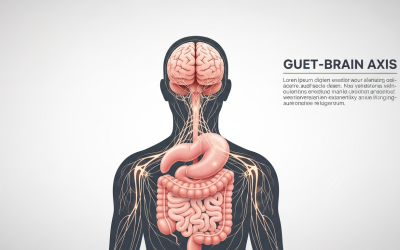
Probiotic diversity, for instance, supports gut health and immune resilience. A balanced microbiome has been linked to lower inflammation and better mood regulation. Learn more at our Probiotics for Better Gut Health guide.
Movement doesn’t have to be intense to be impactful. Consistent physical activity — whether brisk walking, cycling, yoga, or dancing — improves circulation, supports muscle mass, and enhances metabolic flexibility. Strength training, particularly, helps preserve bone and muscle as we age.
Cognitive stimulation matters. Learning a language, reading fiction, playing music — these activities enrich neuroplasticity, the brain’s capacity to adapt. Journaling also offers reflection and emotional processing, grounding you in lived experience rather than autopilot.
We’ve long lived in cultures that value doing. But balance requires being. Daily pauses — perhaps a few mindful breaths before responding to a message or a short nature walk during lunch — can recalibrate stress responses. For additional strategies, our Stress and Mental Fatigue Guide offers insights into navigating emotional overload.
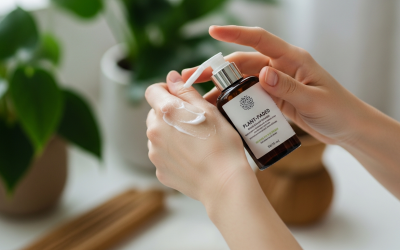
While outer appearance isn’t a wellness “priority” for everyone, skin health often mirrors internal health. Daily sun protection, gentle cleansing, and hydration support skin’s integrity. Choose formulations with broad‑spectrum SPF; ultraviolet radiation remains one of the strongest accelerators of visible aging signs.
A close friend, let’s call her Maya, once told me her twenties felt like a blur. Between her high‑pressure job and caring for family, evenings vanished into late emails and late dinners. By age 38, she noticed fatigue that didn’t match her calendar, skin that no amount of cream could smooth, and a sense of depletion she couldn’t shake.
Maya didn’t seek anti‑aging treatments; she sought balance. She began with small choices — walking to work when possible, setting a phone‑free dinner hour, and rediscovering evening stretches. She also cultivated a nightly pre‑sleep ritual: chamomile tea, soft music, and a gratitude journal. Over months, her energy felt more consistent. Her sleep deepened. The lines in the mirror didn’t disappear, but they felt less like defeats and more like badges of living fully.
Her journey wasn’t swift or perfect. But it was hers — guided by gentle curiosity, patience, and sustainable changes that honored her rhythms.
Science continues to expand our understanding of aging. Researchers are exploring cellular resilience, circadian biology optimization, and the role of metabolic flexibility in longevity. While supplements and biotechnology draw headlines, lifestyle remains foundational. The World Health Organization (WHO) emphasizes preventative health measures as core to global aging strategies, noting that chronic disease prevention — through diet, activity, and social well‑being — delivers broad benefits across populations.⁴
Digital tools — sleep trackers, heart‑rate variability monitors, and guided meditation apps — offer reflective feedback. But they work best when paired with mindful awareness, not measurement obsession.
If premature aging prevention sounds like a promise of eternal youth, I want to gently reframe it. This work isn’t about defying age; it’s about aligning with life. Aging becomes less something to fear and more something to approach with grace, curiosity, and intentional care.
Ask yourself, not How do I stop time? but How do I live well within it? That shift — from resistance to engagement — is perhaps the truest strategy of all.
The strategies we’ve explored — balanced nourishment, mindful movement, restorative sleep, emotional presence, and connection — are threads in a life well lived. They don’t promise perfection, but they invite resilience, vitality, and deeper engagement with each moment.
Premature aging prevention isn’t a regimen; it’s a relationship with your body and mind — one built on respect, responsiveness, and compassion.
If you’re curious to explore further, our articles on building holistic routines for Holistic Wellness Routine for Busy Professionals and strengthening your nervous system, How to Keep Nerves Strong, offer practical next steps.
What are the most effective strategies for preventing premature aging?
Lifestyle habits such as balanced nutrition, consistent movement, quality sleep, stress management, and mindful presence contribute to overall aging resilience.
Can lifestyle changes really slow aging signs?
Research suggests yes — certain lifestyle patterns can support cellular health and reduce risk factors associated with accelerated aging.
How does mental wellness impact aging?
Chronic stress and poor emotional health can elevate inflammatory markers; practices like mindfulness and social connection support both mental and physical aging processes.
Is skin aging inevitable?
Skin changes are a natural part of aging, but habits like sun protection and hydration can support skin health over time.
Posted 3:36 pm | Tuesday, 30 December 2025
| nm