

Late one rainy evening, Sara placed her newborn into a soft crib, then sank into her parent‑sized bed—but sleep eluded her. The baby’s soft cries, stress from chores and childcare duties, and constant screen notifications kept her wide awake. She opened the window, let in the light drizzle, and thought, “Is there a way to really sleep better naturally without pills?”
Her experience echoes that of millions of families worldwide—parents struggling for restful sleep while managing childcare, work, and daily stress. Good sleep isn’t a luxury; it’s a cornerstone of health. Without it, mood dips, concentration wanes, and resilience falters.
In this article, we explore holistic, science‑backed ways to sleep better naturally without pills. Whether you’re a parent juggling childcare or a busy adult, these methods—grounded in real life and expert guidance—can help restore restful nights and healthy days.
Sleep isn’t just downtime. While we sleep, our brain consolidates memories, clears metabolic waste, and recalibrates mood. Our body repairs tissues, regulates hormones, and refreshes immune function. (CDC)
Yet modern life—screens in the bedroom, irregular daily rhythms, late caffeine or heavy meals—often disrupts these vital processes. Experts emphasize “sleep hygiene” as the foundation: a consistent sleep‑wake schedule, a restful environment, and a balanced lifestyle. (Cleveland Clinic)
For parents or caregivers, the struggle can be more intense. Evening childcare, baby feeding, household noise—each can disturb sleep, making pills or quick fixes tempting. But such crutches can interfere with natural sleep architecture and long‑term health. (Harvard Health)
So the goal isn’t an instant pharmaceutical fix—it’s restoring the body’s natural rhythm. And that starts with simple, intentional habits.
Our bodies follow a circadian rhythm—a 24‑hour internal “clock” regulating sleep, wakefulness, hormone release, and metabolism. Modern light exposure, irregular routines, or late‑night activity can throw it off. (Better Health Channel)
A gentle 5‑minute experiment: tomorrow morning, step outside and soak up natural sunlight. Doing that each morning can help reset your internal clock. Consistency matters—waking and sleeping around the same time every day, even weekends, reinforces your rhythm. (Cleveland Clinic)
For families with childcare needs, this might mean carving out a morning window—perhaps just before breakfast—for sunlight, perhaps with your child. Over a few weeks, your body will begin to anticipate sleep naturally at the same nightly hour again.
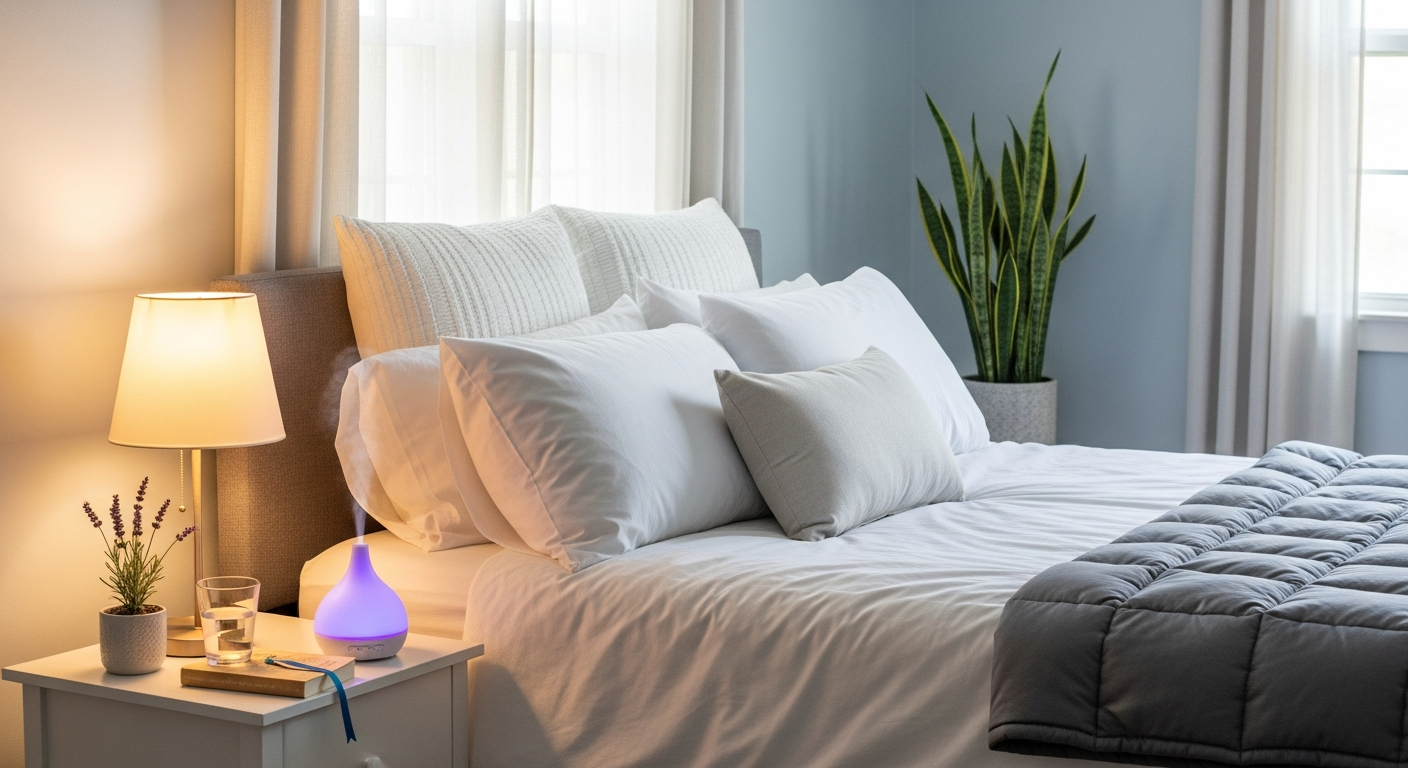
One powerful shift is treating your bedroom as a sanctuary—not a workspace, screen zone, or dining area. Experts recommend keeping it cool, dark, quiet, and devoted to rest only. (Cleveland Clinic)
Electronic devices emit “blue light,” which suppresses melatonin—the hormone that signals sleep. Even a smartphone check minutes before bed can delay sleep onset. Turning off screens at least 30–60 minutes before bedtime, or using dim, warm light, helps your brain wind down naturally. (Harvard Health)
For those balancing childcare, extra noise (babies, siblings, neighbors) may be unavoidable. In such cases, consider white‑noise machines, fans, or soft background sounds to mask disruptions—these tools often help the brain stay in a restful state instead of being startled awake. (UCSF Health)
What you do during the day often matters more than pre‑bed rituals. Regular physical activity—walking, light exercise, even household chores—helps regulate sleep cycles and promotes deeper sleep at night. (Mayo Clinic Health System)
Nutrition plays a role too. Heavy, late dinners—or caffeine and stimulants near bedtime—disrupt digestion or brain chemistry, interfering with restful sleep. Experts suggest finishing meals a few hours before bed and avoiding caffeine in the late afternoon or evening. (Mayo Clinic)
Even for parents caring for children, these habits are often manageable: a brisk walk after morning preparations, a light early dinner, and decaffeinated tea instead of late coffee. These simple shifts—small each day—accumulate into significant sleep benefits.
Getting in bed at the same hour each night works wonders. A regular bedtime tells your body, “It’s time to rest.” Sleeping in or staying up late, on the other hand, confuses your internal clock. (Cleveland Clinic)
Start winding down an hour before sleep begins. Dim the lights, avoid screens, and maybe read a calm book—or meditate, stretch gently, or breathe deeply. Even just 10 minutes of soft stretching or mindfulness can ease stress and encourage your body to relax. (Mayo Clinic)
If you lie awake for more than 20 minutes, experts suggest leaving bed and doing something quiet until you feel sleepy again—watching the clock or stressing in bed can reinforce insomnia. (Mayo Clinic)
These rituals aren’t magical cures. But practiced with consistency, they shift your body toward natural, restful sleep—no pills involved.
Parents often think sleep and child care are opposing needs. But with mindful tweaks, both can coexist. Establishing predictable sleep routines—not only for yourself but also for children—helps everyone. Experts recommend consistent bedtimes and waking times even for children. (Mayo Clinic McPress)
One mother, Lina (pseudonym), started putting her 3‑year‑old to bed by 8:00 PM sharp. She dimmed the living room lights at 7:30, stopped screen time at 7:00, and read a bedtime story in soft light. Her child began sleeping through the night. Meanwhile, she too benefited: she scheduled her own bedtime 30 minutes after the child’s—and found herself sleeping more soundly.
Balancing childcare and personal sleep also means accepting flexible routines. For example, small naps in the afternoon might help if night sleep is fragmented. But naps should stay brief (under 30–45 minutes) and not be too late, lest they interfere with nighttime sleep. (Better Health Channel)
As your child grows, maintaining sleep hygiene for the household becomes a shared wellness practice—a subtle but powerful way family life supports restful nights and healthier days.
Natural sleep strategies help most people. But sometimes, underlying issues—sleep disorders, chronic stress, medical conditions—require professional attention. Persistent insomnia, frequent nighttime awakenings, or severe daytime drowsiness may signal deeper issues. (CDC)
If you’ve tried improving your habits for a few weeks and still struggle, consider consulting a healthcare provider. They may recommend a sleep diary or—in some cases—a sleep study to detect conditions like sleep apnea. (CDC)
The goal is not to eliminate stress or responsibilities but to ensure sleep remains a priority, a non‑negotiable, even in busy or childcare-heavy lives.
As awareness around sleep and mental health grows, new tools and research are helping people sleep better naturally. Wearable devices and smartphone sleep trackers now offer insights into sleep duration, cycles, and disruptions—helping users recognize patterns and adjust habits.
Meanwhile, more mental health and sleep education is entering schools and community health programs worldwide. This shift encourages families and individuals to view sleep hygiene not as optional, but as fundamental.
At the same time, researchers are exploring non-pill interventions such as light therapy or structured “wind‑down” routines tailored to modern lifestyles. In the future, these could evolve into community programs, digital wellness plans, or public‑health guidelines.
Sleeping better naturally without pills isn’t a distant dream. It begins with small decisions: respecting your body clock, crafting a restful sleep space, nurturing daily habits, and gently guiding your mind to wind down each night. These changes—often effortless—accumulate into deeper sleep, improved mood, better health, and greater resilience.
Whether you are a parent balancing childcare, a student managing study and stress, or anyone struggling with insomnia, remember: your body knows how to sleep. You just need to give it the right signals. Start tonight—commit to one small change.
If you found this helpful, explore more of our guides on family wellness and lifestyle—like “Balanced Nutrition for Busy Parents” or “Mindful Exercise for Everyday Life”—to build a full picture of healthy living.
Q: How many hours of sleep does a healthy adult need to sleep better naturally without pills?
A: For most adults, 7 or more hours nightly is recommended for refreshment and health. (CDC)
Q: Can screen time before bed really affect sleep?
A: Yes. Blue light from screens can suppress melatonin production, making it harder to fall asleep. Turning off devices at least 30–60 minutes before bed improves sleep quality significantly. (Cleveland Clinic)
Q: Is light exercise helpful if I want to sleep better naturally without pills?
A: Absolutely. Regular physical activity—even walking—supports deeper sleep. But avoid intense workouts close to bedtime. (Mayo Clinic Health System)
Q: What if I have a newborn or child and still can’t get good sleep?
A: While child care can disrupt sleep, establishing consistent routines for both child and parent, maintaining a restful sleep environment, and allowing short naps can help. If problems persist, seek guidance from a healthcare professional.
Posted 9:39 pm | Saturday, 06 December 2025
| nm