
Laura’s back pain had no clear diagnosis. Scans looked normal, treatments helped briefly, and frustration grew quietly. One therapist finally asked her a different question: “What does your body feel like, moment by moment?” That question introduced her to somatic yoga—and changed everything.
Across the globe, people live with chronic tension, stress-related pain, and emotional exhaustion that traditional exercise cannot resolve. Somatic yoga offers something rare in modern wellness: a method that teaches the body to feel safe again.
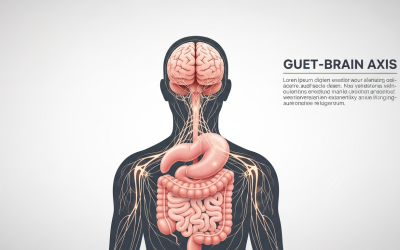
Somatic yoga is not about poses or performance. It is a slow, neuroscience-informed practice that restores communication between brain and body. In a world driven by urgency, it invites listening—and that may be its greatest power.
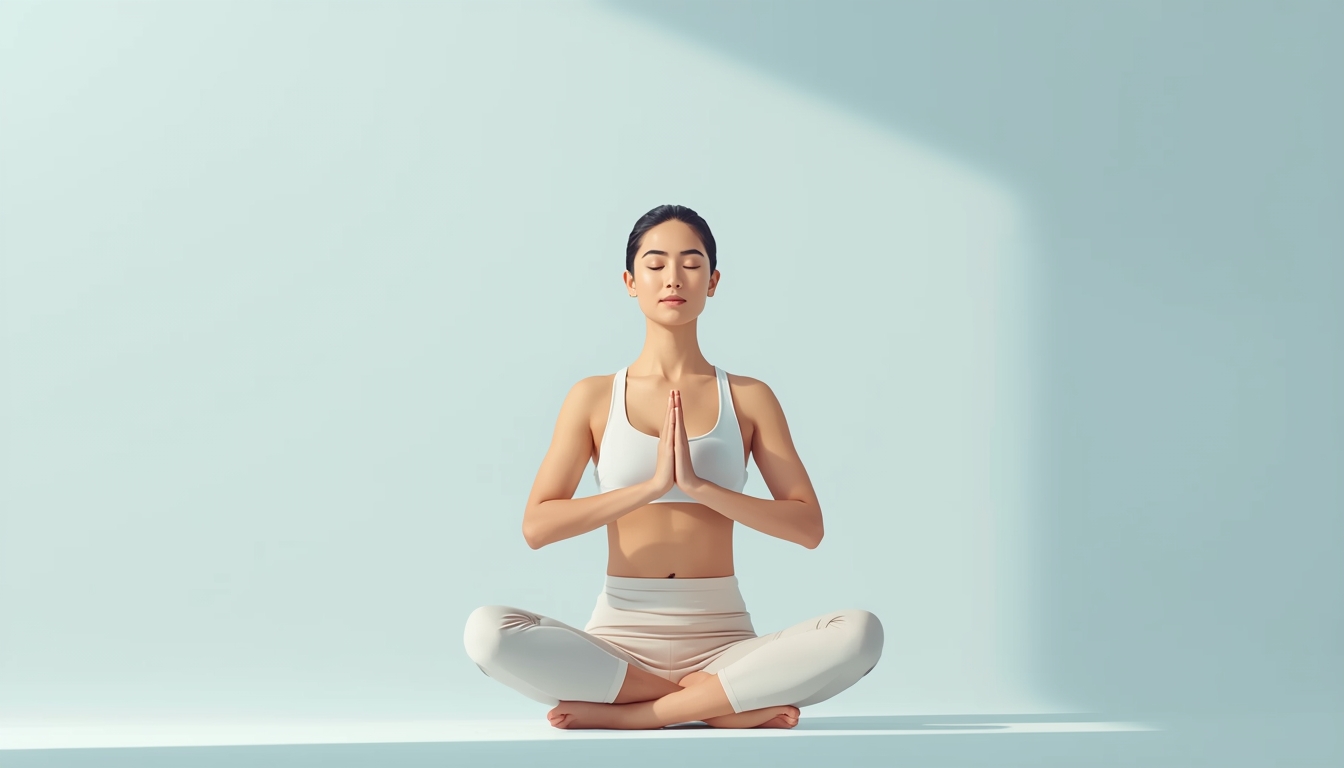
Somatic yoga blends yoga principles with somatic education, focusing on internal sensation rather than external form. Movements are gentle, intentional, and guided by awareness, not force.
The word “somatic” comes from the Greek soma, meaning “the living body experienced from within.” Unlike fitness-driven yoga styles, somatic yoga prioritizes nervous system regulation and neuromuscular retraining.
Thomas Hanna, founder of clinical somatics, wrote in 1988 that “chronic pain is often a learned muscular response.” Modern research continues to validate this insight, particularly in stress-related musculoskeletal conditions.
Chronic stress reshapes the nervous system. According to the World Health Organization, stress-related disorders are among the leading contributors to global disability. Muscles remain contracted long after danger passes.
Somatic yoga interrupts this cycle. By consciously releasing habitual tension, it recalibrates the brain’s motor cortex. Over time, the body relearns ease as its default state.
Harvard Health Publishing reported in 2022 that mindful movement significantly improves nervous system flexibility, reducing pain sensitivity and emotional reactivity.
Somatic yoga works through neuroplasticity—the brain’s ability to reorganize itself. Slow movements paired with attention create new neural pathways, replacing tension-based patterns.
A study published in Frontiers in Psychology showed that somatic-based practices reduce sympathetic nervous system dominance. This shift lowers cortisol and improves heart rate variability, a key marker of resilience.
A brief comparison illustrates its unique impact:
| Approach | Muscle Focus | Nervous System Impact | Injury Risk |
|---|---|---|---|
| Traditional Exercise | External | Low | Moderate |
| Stretching | Passive | Low | Low |
| Somatic Yoga | Neuromuscular | High | Very Low |
Trauma often lives in the body, not the narrative. The CDC acknowledges that adverse life experiences increase lifelong risk of chronic illness. Somatic yoga addresses this through safety, choice, and self-paced movement.
Dr. Bessel van der Kolk stated in 2019 that “the body keeps the score, but it also holds the key to healing.” Somatic yoga aligns directly with trauma-informed care principles.
For many, the first benefit is emotional. Tears may surface, breath deepens, and long-held tension releases gently, without reliving events.
After years of desk work, Michael, a Paris-based architect, lived with neck pain and insomnia. Physical therapy helped temporarily. Somatic yoga offered something different: awareness of unconscious clenching.
Within eight weeks, his pain reduced noticeably. Sleep improved. “I stopped fighting my body,” he shared. “I started cooperating with it.” That shift often defines success.
Such stories explain why somatic yoga is increasingly recommended across Europe and the United States for chronic pain management.
Somatic yoga thrives when paired with mindful daily routines. Slower mornings, conscious breathing, and reduced screen overload amplify results.
Nutrition also matters. Magnesium-rich foods support neuromuscular relaxation, while anti-inflammatory diets calm the nervous system. Mayo Clinic nutrition experts emphasize whole foods for stress modulation.
Readers interested in complementary wellness strategies often explore our nerve health and daily habits guide and gut health diet article for deeper integration.
Somatic yoga is generally safe for all ages. However, individuals with acute injuries or neurological conditions should work with trained instructors.
The Cleveland Clinic advises that pain should never increase during therapeutic movement. Somatic yoga honors this principle by prioritizing comfort over range.
Future healthcare models increasingly integrate somatic education into rehabilitation, recognizing its preventive value rather than reactive use.
Digital health platforms now offer guided somatic sessions with biofeedback integration. Wearables measuring breath and muscle tension are shaping personalized recovery plans.
By 2035, mind-body therapies are projected to become core components of preventive medicine, according to WHO wellness projections. Somatic yoga stands at the center of this shift.
Its eco-friendly nature—no equipment, no space demands, minimal energy use—also aligns with sustainable wellness trends.
Unlike exercise programs with expiration dates, somatic yoga evolves with the body. Aging, injury, stress—all are met with adaptability.
It teaches self-regulation, the ability to sense and adjust internal states. That skill extends beyond the mat into relationships, work, and decision-making.
For readers exploring gentle movement paths, our article on chair yoga for seniors offers another complementary perspective.
Somatic yoga reminds us that healing does not always require effort. Sometimes it requires attention. In listening, the body reveals pathways back to balance.
This practice offers more than relief; it restores agency. When people learn to feel again, they learn to live differently.
Discover more evidence-based wellness insights on The Gangchil, and continue building a life guided by awareness, resilience, and compassion.
Is somatic yoga suitable for beginners?
Yes. Somatic yoga is ideal for beginners because movements are gentle and self-paced.
Can somatic yoga help chronic pain?
Research suggests it reduces pain by retraining the nervous system and releasing habitual tension.
How often should somatic yoga be practiced?
Short daily sessions or three longer weekly practices offer lasting benefits.
Is somatic yoga different from meditation?
Yes. It integrates movement with awareness, making it accessible for those who struggle with stillness.
Sources referenced: World Health Organization (WHO), Centers for Disease Control and Prevention (CDC), Harvard Health Publishing, Mayo Clinic, Cleveland Clinic, Frontiers in Psychology, Thomas Hanna Institute.
Ranjan Niskrity
Wellness professional with expertise in holistic health, yoga, meditation, and lifestyle guidance.
Posted 7:46 pm | Thursday, 18 December 2025
| nm