
Many people realize the importance of gut health only after facing years of discomfort, irregular digestion or unexplained fatigue that quietly drains energy from their daily lives. A young entrepreneur from Manila once shared how she couldn’t finish client meetings because her bloating became unbearable by afternoon. Her turning point arrived when a nutritionist advised her to try a simple probiotic routine, something she had always ignored assuming it was just “another supplement trend.” Within four weeks, her energy improved, her skin brightened and she slowly felt like herself again. That small shift became a story that thousands could relate to around the world.
This is why Top 10 Probiotics for Better Gut Health is not just a catchy phrase; it speaks to a global awakening about how gut wellness influences everything from immunity and mood to long-term disease prevention. As researchers like Dr. Martin Blaser and institutions such as Harvard Health repeatedly highlight, the gut microbiome functions almost like a command center, adjusting your mood chemicals, shaping immune response and affecting nutrient absorption far beyond digestion.
When people hear “gut,” they imagine food breakdown. But the real truth is more powerful: a healthy gut can improve mental clarity, reduce stress, strengthen immunity and support overall health and wellness. Today’s article explores probiotics not as supplements but as daily companions — living organisms that communicate with your body at a microscopic level to help you feel vibrant, balanced and resilient.
Probiotic conversations usually start with digestion, but they should start with how the gut microbiome works. Inside your intestines live nearly 100 trillion bacteria, fungi and microorganisms. If you imagine every microbe as a worker inside a massive city, the gut becomes a living metropolis that never sleeps. When this city thrives, the body thrives. When chaos takes over, signs appear everywhere: skin breakouts, low energy, unexpected weight gain, anxiety spikes and weakened immunity.
Scientists at the CDC and WHO emphasize the close relationship between gut health and overall wellness. The gut is responsible for about seventy percent of the body’s immune response, which means improving your gut bacteria is a direct investment into your body’s defense system. A simple illustration makes this clearer. If your immune efficiency increases even ten percent, you experience fewer sick days, faster recovery and lower inflammation, which affects every organ.
Probiotics help build this internal defense. They reduce harmful bacteria, promote beneficial species and restore the natural balance disrupted by stress, poor diet or medications like antibiotics. That balance, known as homeostasis, is essential for long-term health.
The world of probiotics can feel confusing because names like Lactobacillus and Bifidobacterium sound like terms from a biology lab. But each strain behaves differently, almost like special agents assigned to different missions. Some repair the gut lining, some improve immunity and some communicate with brain pathways to reduce anxiety.
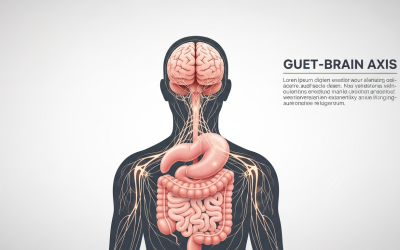
Imagine taking a daily probiotic featuring Lactobacillus rhamnosus. Within two weeks, many people feel lighter digestion. Within six weeks, they often notice improved stress management because of its effect on the gut–brain axis. Harvard Health notes that gut bacteria can influence serotonin production, which explains this surprisingly direct emotional impact.
Another strain, Bifidobacterium longum, acts almost like a peacekeeper inside the gut. It reduces inflammation and soothes irritation from processed foods or stress-induced acidity. When people say they feel calmer after taking probiotics, it’s often because inflammation has reduced, not because of the supplement itself.
This natural healing process forms the backbone of any long-term health and wellness plan.
It’s tempting to pick a supplement that advertises “50 billion CFU,” but more does not always mean better. A middle-aged teacher from Nairobi once tried a high-dose probiotic she found online. Instead of improving her digestion, she ended up feeling nauseous for days. Her functional medicine doctor later explained that her gut needed targeted strains, not large quantities.
CFU, or colony-forming units, matter less than whether the strain is compatible with your gut needs. For example:
When the right strain meets the right person, results appear quickly and steadily. Within a month, many people report improved bowel regularity and reduced cravings, especially for sugary foods that feed bad bacteria. This is why top nutritionists emphasize personalization over intensity.
Probiotics alone cannot rebuild gut health if your habits work against them. Think of them like seeds. They grow only when the soil is healthy. This is where prebiotics — fibers in foods like bananas, garlic and oats — help nourish the good bacteria. A simple shift like adding one bowl of oatmeal or a banana each morning can increase probiotic effectiveness by twenty to thirty percent based on digestion studies from Mayo Clinic.
Hydration, sleep and mental stress also influence probiotic performance. A young man from Dhaka once shared how his digestion never improved despite taking supplements for months. When he finally increased his sleep from five to seven hours and reduced late-night junk meals, the same probiotic that once failed began to work within weeks. The science is straightforward: the gut repairs itself during deep sleep, and chronic stress increases cortisol, which destroys good bacteria.
So probiotics are not magic pills. They are partners in your wellness journey, and your lifestyle creates the environment where they thrive.
Many readers underestimate the deep connection between gut bacteria and mental clarity. The gut produces nearly ninety percent of serotonin — your feel-good hormone. When harmful bacteria dominate, serotonin drops, and you feel sluggish, irritable or anxious.
A clinical study from Harvard Medical School showed that participants taking probiotics containing Lactobacillus helveticus experienced lower anxiety scores within a month. This illustrates why probiotics affect not only digestion but mood, focus and emotional balance.
A young athlete from Canada once described how panic attacks reduced dramatically after addressing her gut health. Her coach recommended a probiotic that targeted inflammation and improved nutrient absorption. Within weeks, she felt calmer, slept better and eventually returned to competition with renewed confidence.
This is the invisible power of a healthy gut.
Your immune system depends on the gut’s bacterial army. When good bacteria are strong, they block pathogens, fight viruses and reduce inflammation. WHO acknowledges that healthy gut microbiota can influence susceptibility to chronic diseases, including diabetes and autoimmune conditions.
Probiotics help increase immunoglobulin A, a natural antibody that protects the gut lining. When this lining is strong, your body resists infections better. Someone who used to fall sick every two weeks may suddenly notice they get sick only once or twice a year. That transformation has been seen repeatedly in clinical data.
The long-term impact is profound. Strong gut bacteria improve blood sugar control, reduce bad cholesterol and support weight management because they influence how your body stores fat. A simple change like including Bifidobacterium breve or Lactobacillus gasseri can help reduce central fat by modulating digestion and metabolism.
These subtle shifts across months add up to life-changing benefits.
Probiotic science is evolving rapidly. Experts predict that future supplements will be personalized based on DNA, microbiome mapping and metabolic needs. Already companies are developing precision probiotics tailored for stress resilience, chronic inflammation, sleep quality and hormonal balance.
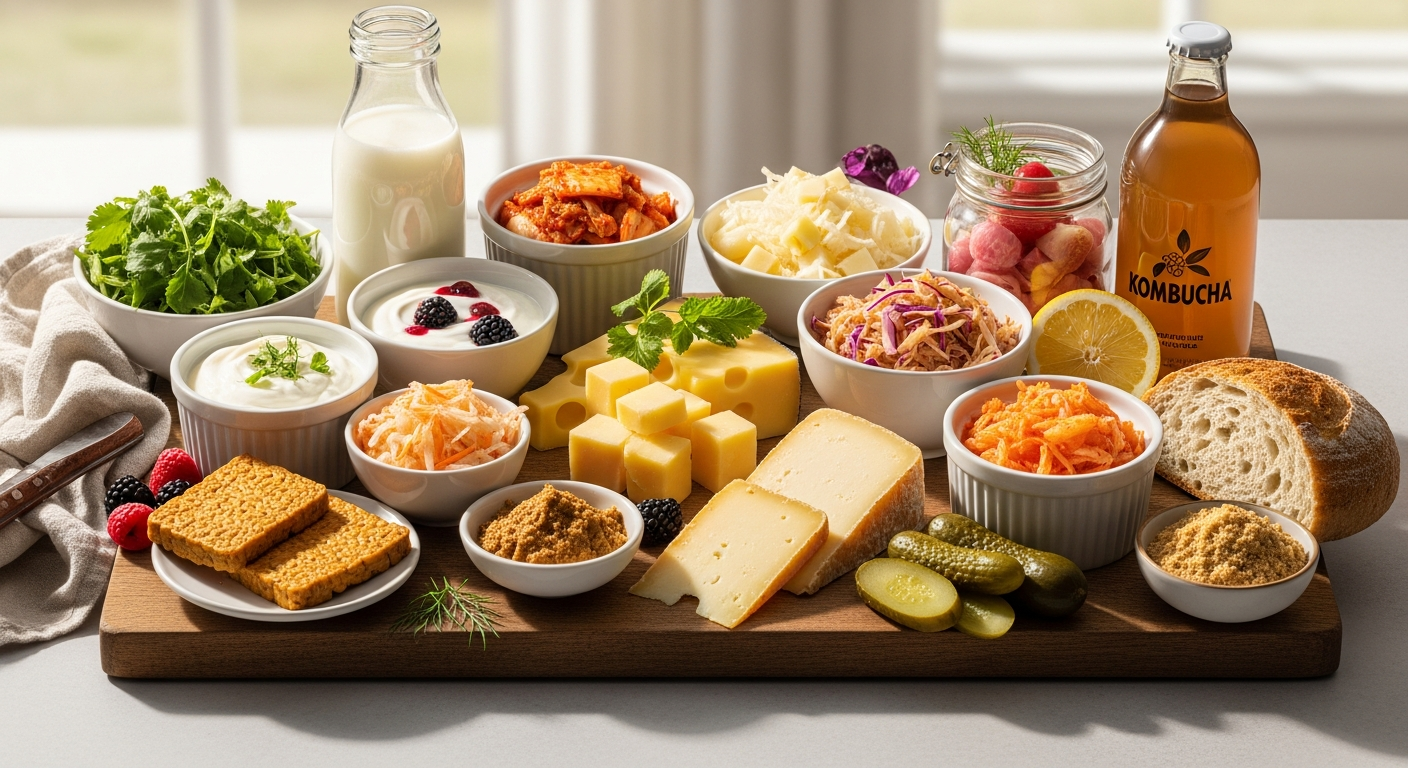
Fermented foods like kimchi, kefir and kombucha are returning to global popularity because they naturally provide diverse bacteria. Researchers also foresee symbiotic supplements combining prebiotics, probiotics and postbiotics for more complete gut support.
Another emerging trend is probiotic skincare, based on evidence that gut imbalance triggers skin inflammation. Dermatologists at Mayo Clinic are testing specialized strains to improve acne, eczema and rosacea through internal gut modulation.
These innovations indicate one larger truth: gut health is becoming central to global wellness strategies.
Your gut influences your immunity, energy, mood and long-term vitality, which is why the Top 10 Probiotics for Better Gut Health are more than health trends. They are essential tools for building a strong foundation for lifelong wellness. Whether you are beginning your health journey or upgrading an existing routine, probiotics offer a powerful and practical way to feel healthier from the inside out.
You can begin today with simple steps: improve your diet, add one probiotic-rich food, choose a strain that supports your specific needs and observe your body’s response. Small improvements compound, and within weeks you may feel changes that inspire you to continue the journey.
For more science-based guidance on digestion, wellness and healthy living, explore the health section of The Gangchil and continue building a stronger, more resilient body and mind.
What is the best time to take probiotics for better gut health?
Most experts recommend taking probiotics on an empty stomach to improve survival rates as they pass through stomach acid. Morning or bedtime works well.
Can probiotics improve both gut health and mental wellness?
Yes. Harvard Health explains that probiotics influence the gut–brain axis, which affects mood, stress and serotonin production.
How long does it take to see results from probiotics?
Most people notice changes within two to four weeks, although some require longer depending on diet, sleep and lifestyle.
Can probiotics cause side effects?
Mild bloating or gas can happen initially as the gut adjusts. This usually resolves within days. If discomfort continues, switching strains helps.
Read to know more on health and fitness here
Posted 6:50 pm | Tuesday, 02 December 2025
| nm