

Recovery from Lyme disease rarely follows a straight line. For many people, treatment brings relief from the most acute symptoms, yet the body often needs time to regain its natural rhythm. Energy may fluctuate. Digestion can feel unsettled. Joint stiffness or mental fatigue may linger longer than expected.
It is often during this quieter phase that interest in food and remedies of Lyme disease begins. Not as an alternative to medical treatment, but as a way to support the body while it heals. Nutrition, hydration, and gentle daily practices can influence inflammation, immune balance, and overall resilience during recovery.
This article explores food-based support and commonly discussed remedies for Lyme disease through a cautious, evidence-informed lens. It does not offer cures or replace professional care. Instead, it provides realistic guidance shaped by current research, public health recommendations, and lived experience, with the aim of helping readers make informed, safe choices.
Lyme disease is a bacterial infection caused by Borrelia species, most commonly transmitted through the bite of infected ticks. Early diagnosis and antibiotic treatment remain essential. This point cannot be overstated.
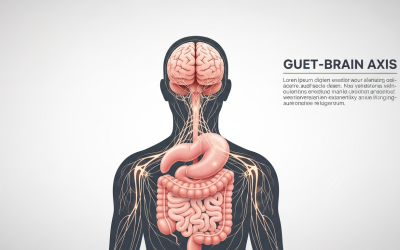
However, research increasingly suggests that recovery involves more than clearing the infection alone. In some individuals, lingering symptoms appear to be linked to immune activation, inflammation, and disruptions to the gut–brain axis rather than ongoing infection.
Reviews published in peer-reviewed journals on PubMed note that post-treatment symptoms may involve complex interactions between immune response, nervous system sensitivity, and metabolic stress. This understanding has shifted attention toward supportive care.
Food and lifestyle choices cannot treat Lyme disease, but they may support the body’s natural recovery processes. For many people, this supportive layer becomes an important part of feeling stable again.
Inflammation plays a role in many symptoms associated with Lyme disease, including joint discomfort, muscle stiffness, and fatigue. While inflammation is a natural immune response, prolonged or excessive inflammation can slow recovery.
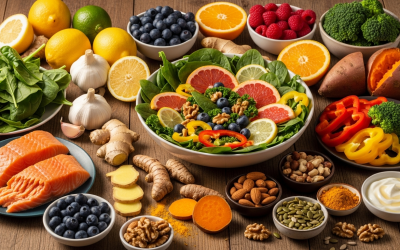
An anti-inflammatory eating pattern focuses on whole foods rather than rigid rules. Vegetables of varied colours, fruits rich in antioxidants, and healthy fats often form the foundation.
Fatty fish such as salmon, sardines, and mackerel provide omega-3 fatty acids, which are associated with inflammatory regulation. For those who do not consume fish, plant sources like flaxseeds and walnuts may offer modest support.
Extra-virgin olive oil, berries, leafy greens, and herbs like turmeric and ginger contain polyphenols. Research suggests these compounds may help moderate inflammatory pathways over time.
Many people recovering from Lyme disease notice that highly processed foods and refined sugars worsen symptoms. Reducing these foods may help stabilize energy and digestion, although individual responses vary.
Antibiotics are necessary for treating Lyme disease. At the same time, they often disrupt the gut microbiome, which plays a role in immune regulation, nutrient absorption, and even mood.
After treatment, some individuals experience bloating, irregular digestion, or food sensitivities. This is where gut-supportive nutrition can be helpful.
Fermented foods such as yoghurt, kefir, sauerkraut, and kimchi introduce beneficial bacteria. For some people, these foods are well tolerated. Others may need to introduce them slowly or avoid them temporarily.
Prebiotic fibres found in foods like oats, bananas, onions, garlic, and asparagus help nourish existing gut bacteria. Adequate hydration supports digestion and metabolic processes.
According to Harvard Health Publishing, restoring gut microbial diversity after antibiotics may influence immune balance. This process often takes time and patience rather than aggressive supplementation.
The immune system relies on a steady supply of nutrients to function effectively. During Lyme disease recovery, nutritional adequacy becomes especially important.
Vitamin C, found in citrus fruits, berries, and bell peppers, supports immune cell activity and tissue repair. Zinc, present in pumpkin seeds, legumes, and seafood, plays a role in immune signaling.
Vitamin D has received particular attention in immune research. Adequate levels are associated with immune regulation, although supplementation should be guided by testing and professional advice.
Protein intake also matters. Antibodies, enzymes, and muscle repair depend on sufficient protein from sources such as eggs, fish, poultry, legumes, or tofu.
Rather than focusing on individual nutrients, a varied and balanced diet tends to offer more sustainable benefits.
Herbal remedies are frequently mentioned in discussions around Lyme disease. It is important to approach this area carefully.
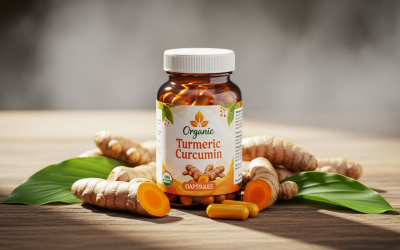
Culinary herbs such as ginger, garlic, and turmeric are widely used and generally considered safe when consumed as part of normal meals. They may support digestion and inflammatory balance.
Other herbs, including Japanese knotweed or cat’s claw, are sometimes referenced in alternative protocols. However, evidence remains limited, and potential interactions with medications are possible.
The World Health Organization advises that herbal remedies should complement, not replace, conventional medical treatment. Quality, sourcing, dosage, and individual health conditions matter significantly.
For many people, food-based herbs used in cooking offer a safer and more sustainable approach than concentrated supplements.
Fatigue is one of the most commonly reported lingering symptoms after Lyme disease. It often feels different from ordinary tiredness.
Stable blood sugar levels may support more consistent energy. Meals that combine complex carbohydrates, protein, and healthy fats can help prevent energy dips.
Iron deficiency may contribute to fatigue, particularly in individuals with limited dietary intake. Testing is recommended before supplementation.
Magnesium-rich foods such as nuts, seeds, and whole grains may support muscle relaxation and sleep quality, although evidence varies.
Beyond food, pacing daily activities, maintaining consistent sleep schedules, and allowing adequate rest are often just as important. Recovery tends to improve when the body is not pushed beyond its limits.
Cognitive symptoms, often described as “brain fog,” can be distressing. Mood changes may also appear during recovery.
Omega-3 fatty acids, B vitamins, and antioxidants are associated with brain health. Foods such as eggs, leafy greens, oily fish, and berries contribute to these nutrients.
Inflammation may influence neurotransmitter balance, which could explain some cognitive symptoms. Reducing inflammatory dietary triggers may support mental clarity over time.
Caffeine tolerance sometimes changes during recovery. Some people find reducing intake improves sleep and anxiety, while others tolerate moderate amounts well.
For additional perspectives on mental well-being and lifestyle balance, this Gangchil article may be helpful:
https://thegangchil.com/mental-wellness-holistic-living
Just as certain foods may support recovery, others can add strain.
Highly processed foods, excessive sugar, and trans fats are associated with increased inflammation. Alcohol places additional demand on the liver, which is already processing medications.
Some individuals notice temporary sensitivity to gluten or dairy during recovery. This does not require permanent avoidance, but mindful observation can guide choices.
Listening to the body’s responses often provides clearer guidance than rigid dietary rules.
Supportive care is most effective when it fits naturally into everyday routines.
Simple practices such as planning balanced meals, keeping nutritious snacks available, and cooking in batches can reduce stress during low-energy periods.
A brief food and symptom journal may help identify patterns without becoming overwhelming.
Recovery rarely depends on perfection. Gentle consistency and flexibility tend to support long-term well-being.
Important note:
Lyme disease requires medical diagnosis and treatment. Food choices and supportive remedies discussed here are not intended to replace antibiotics or professional care. Individuals should consult a qualified healthcare professional before making changes to treatment, supplements, or dietary routines.
According to Mayo Clinic guidance, persistent or worsening symptoms should always be evaluated by a healthcare provider.
Healing from Lyme disease often involves learning to move at a different pace. For many people, food becomes more than fuel. It becomes a form of listening, stability, and care.
Food and remedies of Lyme disease are not cures. However, when approached thoughtfully, they can support energy, digestion, and overall well-being as the body recovers.
If you have experiences or questions about nutrition during Lyme disease recovery, you are welcome to share them in the comments. Thoughtful conversation helps build understanding and trust.
1. Can food cure Lyme disease?
No. Antibiotic treatment is essential. Food supports recovery but does not treat the infection.
2. Are supplements always necessary?
Not always. Many needs can be met through food. Supplements should be considered with professional guidance.
3. Is an anti-inflammatory diet proven to help Lyme disease?
Research suggests it may support inflammatory balance, though individual responses vary.
4. Should probiotics be taken with antibiotics?
Some evidence supports this, but timing and strain selection matter. Medical advice is recommended.
5. How long should supportive dietary changes continue?
For many people, these habits become part of long-term wellness rather than a short-term intervention.
Posted 9:33 pm | Sunday, 01 February 2026
| nm