

There is a quiet moment many people remember after illness.The fever has gone. The hospital visits are fewer. Life looks “normal” again. Yet the body feels unfamiliar—lighter, slower, unsure.
For Maya, a schoolteacher in India, recovery didn’t begin the day her doctor said she was “clinically fine.” It began weeks later, standing in her kitchen, wondering what to eat without upsetting her fragile energy. She wasn’t sick anymore. But she wasn’t whole either.
This space—between illness and full living—is where recovery from illness nutrition plans matter most. Not as strict diets or miracle foods, but as supportive, human nourishment that respects healing timelines, mental health, and cultural food traditions.
This article explores how food supports recovery across cultures and conditions, using global research, real-life stories, and calm, sustainable routines that fit into everyday life.
Across the world, millions recover from infections, surgeries, long-term conditions, or burnout-related illness each year. According to the World Health Organization, recovery nutrition plays a crucial role in immune repair, muscle rebuilding, and emotional balance after illness
👉 https://www.who.int/news-room/fact-sheets/detail/healthy-diet
Yet many people receive little guidance once acute treatment ends. The focus shifts back to work, family, and responsibility—often before the body is ready.
Research shared by Harvard Health Publishing suggests that inadequate nutrition during recovery can delay strength, weaken immunity, and increase fatigue, even after symptoms fade
👉 https://www.health.harvard.edu/staying-healthy/nutrition-and-health
For holistic health and wellness, recovery nutrition is not about speed. It is about steady return.
Recovery nutrition is not a universal plan.
It adapts to the illness, the person, and the stage of healing.
For many people, it means:
The Mayo Clinic emphasizes that during recovery, the body often needs more nutrients, not fewer—even if appetite feels low
👉 https://www.mayoclinic.org/healthy-lifestyle/nutrition-and-healthy-eating
This is especially relevant for people recovering from:
Illness affects more than the body.
It often changes how people feel about food itself.
After recovery, some people fear eating “wrong.” Others lose appetite or joy in meals. Mental health and nutrition are deeply connected.
The Cleveland Clinic notes that balanced nutrition during recovery supports not only physical healing, but emotional regulation and stress resilience
👉 https://health.clevelandclinic.org/food-and-mood
At TheGangchil.com, we often explore this connection through articles like:
Recovery nutrition works best when food feels safe, familiar, and comforting.
After a severe respiratory infection, Daniel, a freelance photographer in Spain, struggled with exhaustion long after medical clearance.
Instead of jumping into supplements, his nutritionist encouraged:
Within weeks, his energy improved—not suddenly, but steadily.
This approach aligns with NIH / PubMed findings showing that gradual nutritional rehabilitation improves outcomes more effectively than aggressive dietary changes
👉 https://pubmed.ncbi.nlm.nih.gov/
Rather than strict rules, recovery nutrition focuses on nutrient presence.
Protein helps rebuild tissues weakened by illness. According to Harvard research, moderate protein intake supports muscle recovery without stressing digestion
👉 https://www.health.harvard.edu/nutrition
Sources:
During recovery, carbohydrates provide fuel for healing cells. The CDC highlights their role in immune and brain function
👉 https://www.cdc.gov/nutrition/index.html
Choose:
Omega-rich fats may help regulate inflammation, according to NIH-supported studies
👉 https://www.nih.gov/
Think:
Instead of strict plans, consider these supportive routines.
Begin with:
This supports digestion and hydration, both critical during recovery.
Aim for:
Not perfection. Just presence.
Soups, stews, or cooked vegetables help the body rest overnight. The Mayo Clinic notes warm foods often support digestion during recovery phases
👉 https://www.mayoclinic.org/healthy-lifestyle/nutrition-and-healthy-eating
Recovery nutrition should respect cultural food traditions.
In Bangladesh, soft rice with lentils and vegetables supports recovery naturally.
In Japan, miso soup and fish serve similar purposes.
In Mediterranean regions, olive oil, vegetables, and legumes dominate healing meals.
A healthy life does not require foreign foods—only thoughtful combinations.
Globally, health systems are recognizing the recovery gap.
The WHO now emphasizes post-illness nutritional monitoring, especially after infectious diseases
👉 https://www.who.int/
Digital wellness platforms and community nutrition programs are helping people transition back to daily life with dignity and support.
This aligns with a broader shift toward eco friendly lifestyle choices—local foods, seasonal eating, and reduced food waste during recovery.
Recovery is not a race back to productivity.
It is a conversation with the body.
Nutrition during recovery is not about discipline. It is about kindness, patience, and nourishment that feels human.
Food becomes a quiet ally—supporting strength, emotional balance, and confidence to re-enter life.
If you or someone you love is recovering, consider starting with one balanced, comforting meal today. Healing often begins there.
Is recovery nutrition different from regular healthy eating?
Yes. Recovery nutrition often requires more energy, protein, and gentler digestion support.
Do I need supplements during recovery?
For many people, whole foods are sufficient. Some may need supplements under professional guidance.
How long should recovery nutrition continue?
There is no fixed timeline. Many people benefit from supportive nutrition for weeks or months after illness.
Can recovery nutrition help mental health?
Yes. Balanced meals support mood stability and stress regulation.
| All content is research based and written by a verified expert in holistic health, mindful living, and sustainable wellness communication. |
,, , , ,
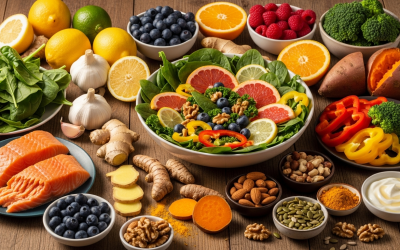
Alt text: A calm kitchen scene with nourishing recovery meals prepared gently.
Caption:
✅ Article 1 complete
When you’re ready, say “Next”, and I’ll write Article 2: Stress and Nutrition Balance Tips in the same international standard.
Posted 8:35 pm | Friday, 09 January 2026
| nm