
A reflective look at food choices, public health warnings, and protecting the most vulnerable
Food choices often feel personal. They are shaped by culture, trust, memory, and sometimes by a desire to return to what feels “natural.” For many families, especially new parents, these choices are made with love and the hope of giving a child the best possible start.
Yet recent public health warnings, including those referenced in https://www.cidrap.umn.edu/listeria/new-mexico-warns-raw-milk-linked-infant-death-while-fda-announces-new-testing-baby-formula, remind us that not all natural foods are safe for everyone. In some cases, they can carry invisible risks with devastating consequences.
This article explores the growing concern around raw milk, infant health, and listeria infection. Not to alarm, but to clarify. Not to judge, but to protect. Because when it comes to infants, even small risks deserve serious attention.
Raw milk is milk that has not been pasteurized. Pasteurization is a process that gently heats milk to kill harmful bacteria without significantly changing its nutritional value. For over a century, it has been one of the most effective food safety interventions in modern history.
Despite this, raw milk has gained popularity in some communities. Supporters often believe it is more nutritious, better for digestion, or closer to traditional food practices. For healthy adults, the risks may feel abstract.
For infants, however, the situation is very different.
Listeria monocytogenes, a bacterium sometimes found in unpasteurized dairy, can cause severe illness in newborns. Their immune systems are still developing, making it harder to fight infections that adults might survive.
The tragic case highlighted in https://www.cidrap.umn.edu/listeria/new-mexico-warns-raw-milk-linked-infant-death-while-fda-announces-new-testing-baby-formula brings this reality into sharp focus. It shows how quickly a foodborne pathogen can turn from unseen to irreversible.
Listeria is unusual among foodborne bacteria. It can survive and multiply in cold environments, including refrigerators. More importantly, it can cross protective barriers in the body, including the blood-brain barrier and, during pregnancy, the placenta.
In infants, listeriosis can lead to sepsis, meningitis, breathing difficulties, and long-term neurological damage. Symptoms may begin subtly. Poor feeding. Fever. Irritability. Sometimes, there is little warning at all.
According to the World Health Organization, infants, pregnant women, older adults, and people with weakened immune systems are at the highest risk of severe outcomes from listeria infection. While cases are relatively rare, the consequences are often serious.
This imbalance, low frequency but high severity, is what makes prevention so critical.
Raw milk contamination does not always mean poor hygiene or negligence. Even well-managed farms can harbor listeria. The bacteria live in soil, water, and animal environments. Cows and goats can carry it without appearing ill.
During milking, bacteria can enter milk through contact with animal skin, equipment, or the surrounding environment. Without pasteurization, there is no final safety step to eliminate these pathogens.
Transportation and storage also matter. Because listeria thrives in cold conditions, refrigeration does not guarantee safety. In fact, it may allow bacteria to multiply quietly over time.
The same caution applies to other unpasteurized dairy products such as soft cheeses made from raw milk. For infants and young children, these foods pose avoidable risks.
The CIDRAP report also mentions new FDA testing measures for baby formula. This is an important part of the larger picture.
Infant formula is one of the most regulated food products in the world. When contamination occurs, as seen in past recalls, the consequences are taken seriously. Enhanced testing protocols aim to detect pathogens earlier and prevent outbreaks.
For parents who rely on formula, these measures are essential. They reinforce trust in systems designed to protect infants who cannot choose their own food.
The Mayo Clinic emphasizes that while breastfeeding and formula feeding are both valid and safe options when properly managed, introducing unpasteurized products to infants is strongly discouraged.
Regulation is not about control. It is about reducing invisible risks where the margin for error is small.
One of the most persistent beliefs around raw milk is that it is more nutritious than pasteurized milk. Research, however, does not support this claim.
Studies published in PubMed indicate that pasteurization does not significantly reduce milk’s protein, calcium, or vitamin content. Some heat-sensitive enzymes are affected, but there is no clear evidence that these changes offer meaningful health benefits.
For infants, nutrition must be weighed against safety. Even if raw milk contained marginal advantages, which remains unproven, the infection risk would outweigh them.
Balanced nutrition for infants is best achieved through breast milk, properly prepared formula, and age-appropriate complementary foods introduced under guidance.
For broader child nutrition insights, resources like
https://thegangchil.com/iron-rich-foods-for-infants-sustainable-first-foods-for-growth-wellness/
offer evidence-based approaches that prioritize both growth and safety.
Protecting infants does not require perfection. It requires awareness and a few consistent practices.
Choose pasteurized milk and dairy products for all children. Read labels carefully, especially at farmers’ markets or specialty stores.
If breastfeeding, ensure maternal food safety as well. Pregnant and nursing parents should avoid raw dairy, deli meats, and other high-risk foods.
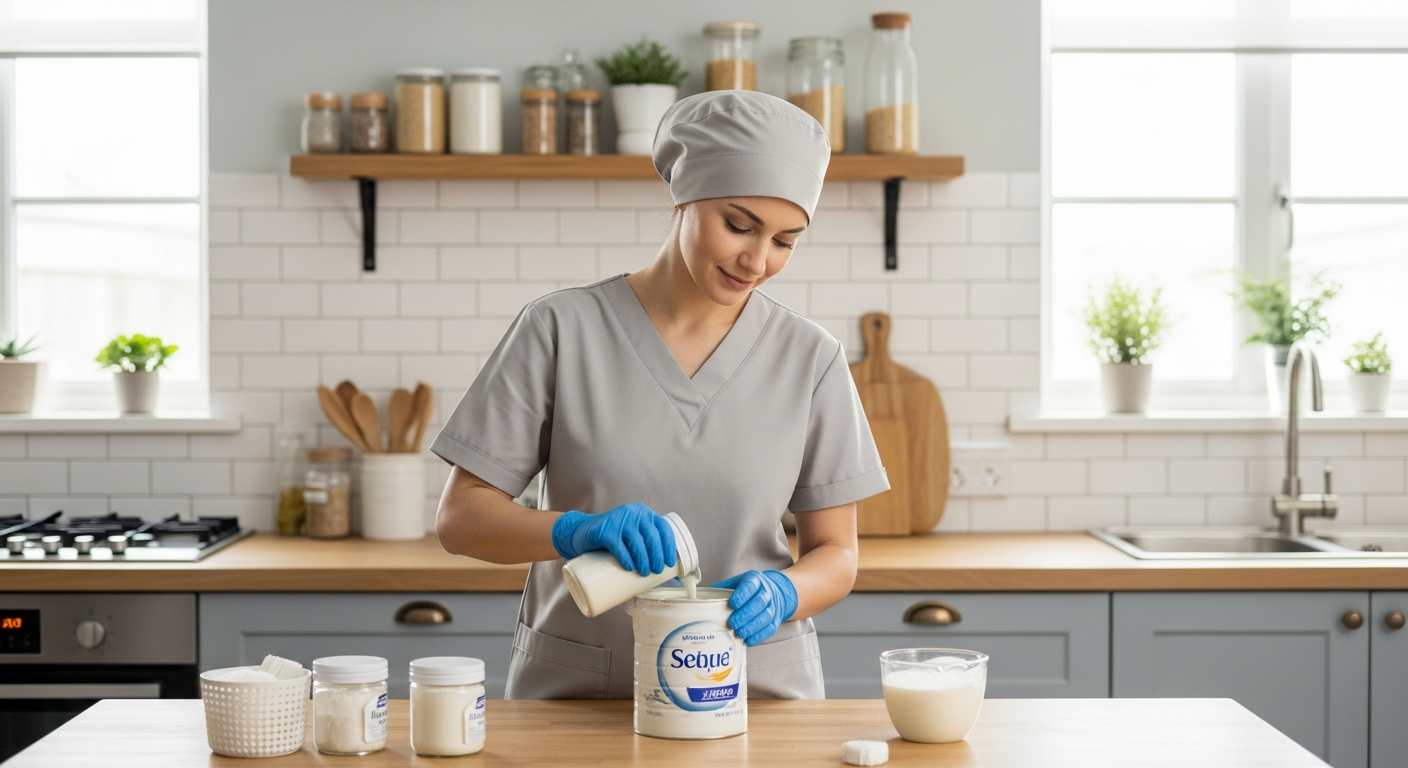
For formula-fed infants, follow preparation instructions exactly. Use safe water, clean bottles thoroughly, and stay informed about recalls.
Most importantly, trust credible public health guidance. Agencies like WHO and national health departments base recommendations on population-level evidence, not trends.
Avoid giving raw milk, even diluted, to infants or toddlers. This includes mixing it into porridge or other foods.
Do not assume that “local” or “organic” automatically means safe. These labels describe production values, not microbial risk.
Avoid relying on anecdotal success stories. A lack of visible harm does not equal safety, especially when dealing with low-probability, high-impact risks.
Finally, do not delay medical care if something feels wrong. Early treatment can be life-saving.
If an infant shows signs of fever, lethargy, poor feeding, vomiting, or unusual crying, seek medical care promptly. These symptoms can be non-specific, but in young children, they deserve urgent attention.
If there is known exposure to raw milk or unpasteurized dairy and symptoms appear, inform healthcare providers immediately. This context can guide faster diagnosis and treatment.
Public health professionals stress that early intervention significantly improves outcomes in listeriosis cases.
The case described in https://www.cidrap.umn.edu/listeria/new-mexico-warns-raw-milk-linked-infant-death-while-fda-announces-new-testing-baby-formula is heartbreaking. Yet its value lies in prevention.
Public health stories are not shared to shame families, but to prevent repetition. They remind us that modern food safety practices exist because of lessons learned over time.
Many parents who choose raw milk do so with good intentions. Bridging the gap between intention and evidence is where compassionate education matters most.
Practical Takeaways
- Raw milk poses serious infection risks for infants and young children
- Pasteurization protects without reducing meaningful nutrition
- Infants have immature immune systems and need extra protection
- Trusted public health guidance saves lives, quietly and consistently
Is raw milk ever safe for infants?
No. Health authorities strongly advise against giving raw milk to infants under any circumstances.
Can boiling raw milk at home make it safe?
Home boiling is unreliable and may not evenly eliminate bacteria. Commercial pasteurization is safer and standardized.
Are raw milk products safer in some countries?
No region can guarantee raw milk safety. Listeria exists globally.
What should pregnant or breastfeeding parents avoid?
Unpasteurized dairy, certain soft cheeses, and other high-risk foods, according to WHO guidance.
How can parents stay informed about food safety alerts?
Follow national health agencies, pediatric associations, and reputable medical sources.
Parenting often involves balancing instinct with information. When evidence challenges tradition or belief, it can feel uncomfortable. Yet protecting infants sometimes means choosing caution over preference.
The warning highlighted in https://www.cidrap.umn.edu/listeria/new-mexico-warns-raw-milk-linked-infant-death-while-fda-announces-new-testing-baby-formula is not just a headline. It is a reminder that safety, especially for the youngest among us, is built on shared responsibility.
If you have questions, experiences, or reflections on infant nutrition and food safety, share them in the comments. Thoughtful conversation helps families make informed, confident choices.
Posted 12:35 pm | Friday, 06 February 2026
| nm