

🩺 Heart Health · thegangchil.com
Real science, gentle habits, and an honest voice — because managing your blood pressure should feel possible, not overwhelming.
📖 You’re about to read something that could genuinely change your daily routine
It usually begins very quietly. No dramatic warning. No pain. Just a routine checkup, a glance at a screen, and a doctor saying, “It’s a little high.”
You walk out of that room carrying something new — not quite fear, but a low hum of concern. And somewhere on the drive home, a question forms: What do I actually do now?
If you are here, you are probably looking for natural ways to lower blood pressure — methods grounded in real science, honest about what works, and possible to maintain in a busy, imperfect life. Not a crash diet. Not an extreme overhaul. Just something real.
That is exactly what we are going to explore together — step by step, clearly and calmly.
Natural ways to lower blood pressure include reducing sodium intake, exercising moderately every day, managing stress through breathing and rest, eating a DASH-style diet rich in potassium and magnesium, limiting alcohol, quitting smoking, and sleeping 7–8 hours nightly. Research shows these combined lifestyle changes can reduce systolic pressure by 5–15 mmHg — enough to significantly cut long-term cardiovascular risk without medication in many cases.
Here is the uncomfortable truth: high blood pressure rarely makes you feel anything at all. You can work, laugh, live a completely normal day — while your heart quietly labours harder than it should with every single beat. That is why hypertension earned its nickname: the silent killer.
Think about what those numbers mean. Almost half the people living with high blood pressure do not know they have it. They are not ignoring it — they simply cannot feel it. Day after day, the strain accumulates silently in artery walls, kidneys, and heart muscle.
That is not wishful thinking. It is measurable, documented, repeatable physiology. And it begins with understanding what is actually happening inside you.
You do not need a medical degree to understand blood pressure. Think of it simply: your heart is a pump, your blood vessels are the pipes. Every beat pushes blood through a branching network delivering oxygen and nutrients to every cell. When everything is balanced, vessels stay soft and flexible — blood moves easily, the heart does not strain.
But when blood pressure rises — from too much salt, too much stress, too little movement, or all three — vessels tighten and resist. The heart pushes harder. Over years, this sustained pressure creates small tears in artery walls, promotes plaque buildup, and causes the heart muscle to thicken trying to cope.
🎯 Key TakeawayHigh blood pressure is not a single event — it is a slow, daily accumulation of strain. And that means every small daily improvement genuinely, measurably reduces it.
The brilliant thing about natural ways to lower blood pressure is that they work with your biology. Less sodium means kidneys release more fluid. Regular movement strengthens the heart. Managing stress lowers adrenaline and cortisol — hormones that cause vessels to constrict. Every intervention addresses the root cause directly.
Before we get into what works, let’s be honest about what doesn’t — because many people try genuinely hard and still wonder why they are not seeing results.
| ❌ Common Mistake | Why It Backfires | ✅ Better Approach |
|---|---|---|
| Cutting salt for one week | Blood pressure responds to consistent habits, not short bursts | Gradual, sustained sodium reduction over weeks |
| Intense weekend workouts only | Spike-and-crash pattern doesn’t train the heart consistently | 30 min moderate movement daily, 5–7 days a week |
| Supplements without diet change | No supplement compensates for poor daily eating | Whole-food dietary change first, then support |
| Ignoring sleep quality | Poor sleep raises cortisol and increases vessel stiffness | Consistent 7–8 hours with a regular bedtime |
| Stopping medication abruptly | Can cause dangerous rebound hypertension | Work with your doctor — never self-manage this |
The biggest trap? Trying to change everything at once — burning out after two weeks — and concluding that natural approaches don’t work. They do work. They just work cumulatively, not instantly.

🔬 Expert Insight — NIH ResearchThe DASH diet (Dietary Approaches to Stop Hypertension), validated through NIH-funded trials, has been shown to reduce systolic blood pressure by up to 11 mmHg in people with hypertension — comparable to some first-line medications. Key components are increased potassium, magnesium, and calcium from whole foods, combined with reduced sodium. According to the NIH National Heart, Lung, and Blood Institute, the DASH eating plan remains one of the most evidence-backed dietary interventions for blood pressure management available today.
A 2023 meta-analysis in Hypertension journal found that combining aerobic exercise with a reduced-sodium diet produced significantly greater reductions than either intervention alone — reinforcing that these changes work synergistically, not in isolation.
At thegangchil.com, we consistently find that readers make the most lasting progress when they stack small positive habits that reinforce one another — creating momentum that builds over months, not just weeks.
Consider Rajan, a 44-year-old logistics manager. Long hours. Desk lunches. Midnight bedtimes. His blood pressure had crept to 148/94 over two years. He knew the number — but felt completely fine. So he kept pushing it to the back of his mind.
After a scare with chest tightness one afternoon, he decided to take it seriously. But instead of a total life overhaul, his doctor suggested just three targeted, manageable changes:
That is the real dimension of natural ways to lower blood pressure that no study fully captures — the shift in how you feel daily. Less tense. More resilient. More present in your own life.
The recommendation is under 2,300 mg daily — about one teaspoon. Most people on a modern diet consume 3,400–4,000 mg. The most effective approach is not eliminating table salt — it is reading labels on processed foods, which account for 70% of sodium intake. Bread, canned goods, sauces, and deli meats are often far saltier than they taste.
You do not need a gym membership. A 30-minute brisk walk five to seven days a week is enough to produce meaningful reductions. Swimming, cycling, and dancing work equally well. The key word is daily — your cardiovascular system responds to consistent, repeated signals over time.
Potassium counteracts sodium’s pressure-raising effect by helping your kidneys excrete more of it. Good sources: bananas, sweet potatoes, spinach, beans. Magnesium relaxes blood vessel walls — find it in leafy greens, nuts, seeds, and whole grains. These are ordinary foods most people simply do not eat enough of.
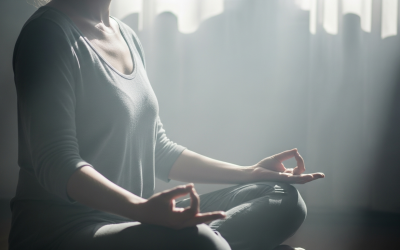
Chronic stress keeps cortisol and adrenaline elevated, sustaining arterial tension over time. Slow diaphragmatic breathing (4 counts in, 6 counts out), a 20-minute wind-down before sleep, and deliberate time in calm environments are clinically meaningful. Not yoga retreats — just consistency practiced daily.
Alcohol raises blood pressure dose-dependently — more than one drink daily for women, or two for men, begins to push numbers upward. Smoking causes immediate arterial spasm and long-term vessel wall damage. There is no safe level for hypertension management.
During deep sleep, blood pressure naturally dips. People who sleep fewer than six hours per night lose this “nocturnal dip” — their cardiovascular system never fully recovers. Over time, this accelerates arterial aging. Seven to eight hours is not a luxury. It is maintenance.
💡 AdviceStart with one change, not six. Pick the single habit that feels most achievable this week. Maintain it for two weeks. Then layer in the next. Progress compounds. Overwhelm collapses it. Simplicity wins over ambition every time.
🌅
Wake consistently. Drink 1–2 glasses of water first. Eat a potassium-rich breakfast — banana, oats, or yogurt. Avoid processed breakfast meats high in sodium.
☀️
Home-packed lunch where possible. Take a 10-minute walk after eating. Check your stress level mid-afternoon — three slow breaths if it’s rising.
🌙
25–30 min walk or light exercise. Cook with herbs and spices instead of salt. Begin winding down by 9 PM — dim lights, no screens, calm breathing before sleep.
✅ Tips
| ❌ Instead of This | ✅ Choose This | 💡 Why It Helps |
|---|---|---|
| Processed deli meats | Grilled chicken, legumes, eggs | Dramatically lower sodium; higher potassium ratio |
| Canned soup (high sodium) | Homemade soup, low-sodium broth | Reduces sodium by 400–800 mg per serving |
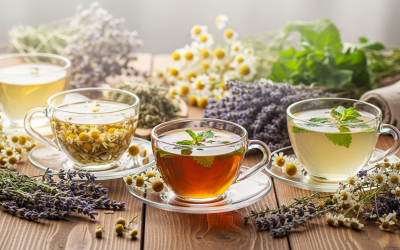
| Sugary drinks and sodas | Water, unsweetened hibiscus tea | Reduces insulin spikes; hibiscus actively lowers pressure |
| Sitting for 8+ hours straight | Movement break every 60–90 minutes | Prevents prolonged vascular constriction |
| Screen-scrolling before bed | Reading, light stretching, slow breathing | Lowers cortisol; allows the natural nocturnal BP dip |
| Heavy alcohol in the evening | Sparkling water with lemon or lime | Alcohol raises BP within hours; hydration supports kidneys |
⚠️ Important WarningNatural methods are supportive — not replacement therapy. If your doctor has prescribed blood pressure medication, do not stop or reduce it without direct consultation. Some people require medication regardless of lifestyle quality — that is biology, not failure.
Seek immediate medical attention if your blood pressure reads 180/120 or higher, or if you experience sudden severe headache, chest pain, vision changes, or difficulty breathing. These are hypertensive crisis signs — not the time for lifestyle adjustments alone.
You do not need a perfect plan. You need a realistic one.
The people who see the most lasting change are not the ones who overhaul everything overnight. They are the ones who pick one honest habit, maintain it for two weeks, then layer in another. Until one day, six months from now, they look at their reading and feel something quietly extraordinary — proof that the small choices they made every single day actually mattered.
Your body is waiting to respond to being treated a little better. It does not need heroics. It needs consistency, respect, and a little patience.
🎯 Final Key Takeaways
Explore more evidence-based, human-first health guides at thegangchil.com — written the way real people think and live.
Always consult a qualified healthcare professional before making changes to your medical routine. This article is for informational purposes only.
Posted 8:24 pm | Sunday, 26 April 2026
| nm