
Your brain learns from what you repeat. Calm is no exception.
By Editorial Team • thegangchil.com
Rahim used to feel his chest tighten every time his phone buzzed. Work messages, deadlines, small worries all felt heavy. One evening, a friend suggested something simple. Sit quietly and breathe for five minutes. It sounded too easy to matter.
He tried anyway. Days passed. Something shifted. The tension did not disappear overnight, yet his reactions softened.
This is where the idea of why meditation changes brain response to stress naturally becomes real. It is not magic. It is practice shaping your brain.
Your brain reacts fast to stress. The amygdala triggers fear and alertness. Meditation trains this response. Over time, the brain becomes less reactive and more balanced.
Harvard Medical School (2011) found that eight weeks of mindfulness practice can shrink the stress center of the brain. At the same time, areas linked to focus and emotional control grow stronger.
When you pause and breathe, you are teaching your brain a new pattern. What if your reaction to stress could feel slower, softer, and more controlled?
Your body holds stress in subtle ways. Tight shoulders, shallow breathing, racing thoughts. Meditation interrupts this loop and replaces it with awareness.
| Before Meditation | After Practice | Effect |
|---|---|---|
| Quick reactions | Measured responses | Emotional control |
| Shallow breathing | Deep breathing | Calm body |
| Racing thoughts | Focused attention | Clear mind |
6-step timeline of change:
Is your mind always reacting, or can it learn to pause?
| Measure | Change | Source |
|---|---|---|
| Cortisol levels | Reduced | NIH, 2020 |
| Anxiety symptoms | Reduced | Mayo Clinic, 2021 |
| Focus ability | Improved | CDC, 2022 |
For deeper understanding, explore Harvard Health’s meditation guide and Mayo Clinic’s meditation overview.
You feel restless even at rest. Small problems feel overwhelming. Your focus breaks easily. Sleep becomes lighter and less refreshing.
Are you giving your mind enough space to slow down?
“Awareness breaks the cycle of automatic stress reactions.” — Dr. Judson Brewer
What if calm became your default response instead of tension?
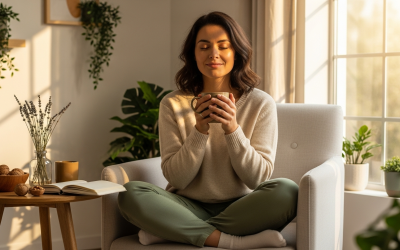
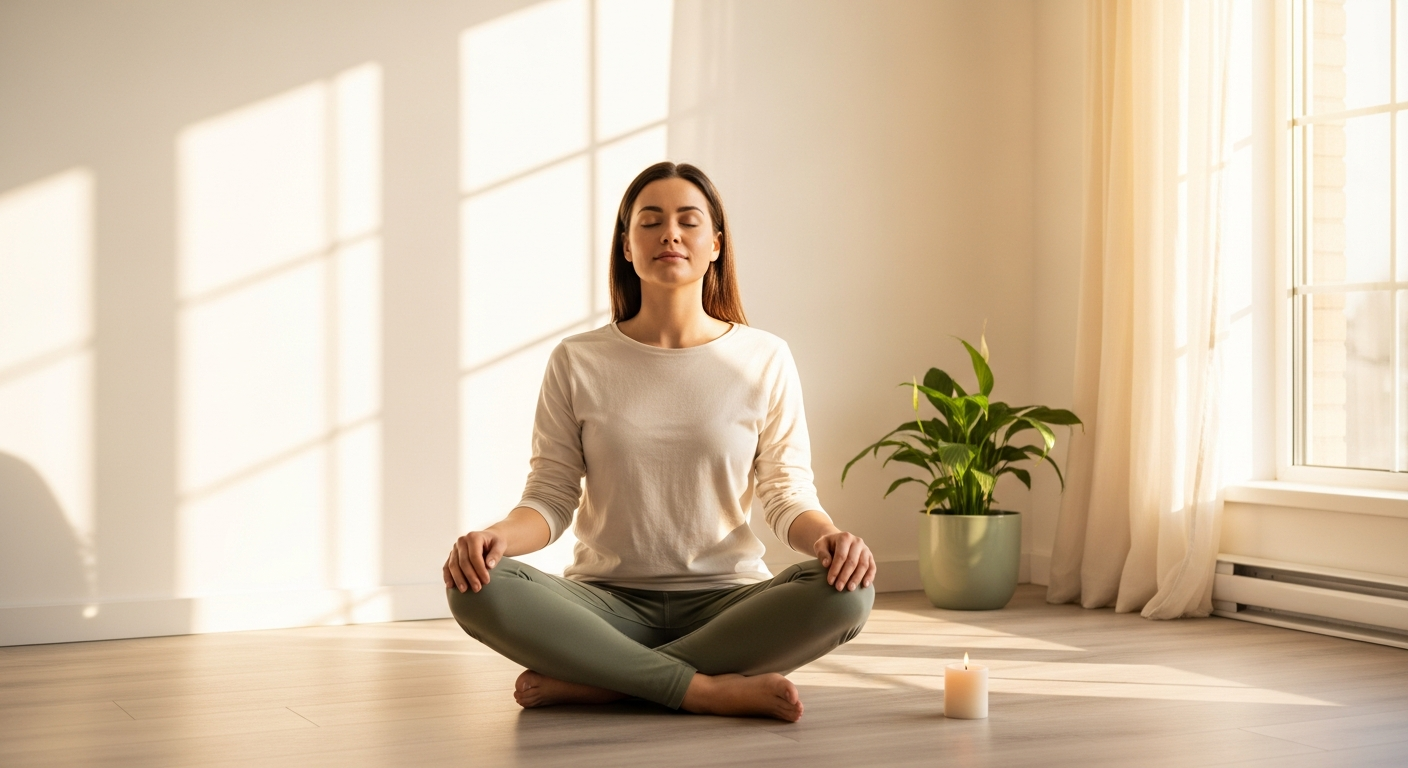
You wake up and sit near a window. The room is quiet. You close your eyes and follow your breath. Thoughts appear, then fade.
| Step | Reason | Expected Outcome |
|---|---|---|
| Sit quietly | Reduce stimulation | Mental clarity |
| Focus on breath | Anchor attention | Calm response |
| Observe thoughts | Build awareness | Emotional balance |
Over time, your reactions soften. Your breath becomes steady. Stress no longer controls your day.
Learn more calming techniques here: mindfulness daily practice guide
Meditation is not about escaping stress. It is about changing how your brain meets it. Each calm moment becomes a lesson your mind remembers.
Stay connected for more guides like this at thegangchil.com
What would your day feel like if calm became your habit?
How does meditation affect the brain?
Meditation changes how your brain processes stress. It reduces activity in the fear center and strengthens areas linked to focus and emotional control. Over time, this leads to calmer reactions and better mental clarity.
How long does it take to see results?
Some people notice small changes within a week. Consistent practice for a few weeks often brings clearer focus and reduced stress. Long-term benefits grow with daily repetition.
Can meditation replace stress completely?
Stress will still appear. Meditation changes your response to it. You feel less overwhelmed and more in control. The goal is not zero stress but better handling of it.
Do I need a special place to meditate?
No. A quiet corner or a simple chair works well. What matters most is consistency and comfort. Even a few minutes in a calm space can help your mind reset.
Is guided meditation better than silent practice?
Both work well. Beginners often prefer guided sessions for structure. Silent practice builds deeper awareness over time. You can use both depending on your comfort level.
© thegangchil.com • This content is for educational purposes only and not medical advice.
Posted 10:06 pm | Tuesday, 10 March 2026
| nm