

Some mornings begin quietly, with a cup of tea and a moment of stillness before the day rushes in. For many people, especially across the US and Europe, these small rituals have started to include something new. A capsule, a spoon of yogurt, or a sip of fermented drink. It is part of a growing belief that caring for the gut may gently shape how the whole body feels.
This is where the search for the best probiotics for gut health and daily wellness often begins. Not from trends, but from lived experience. Bloating that never quite settles. Energy that fades too early. A sense that the body is asking for steadier support.
Over the past decade, research has reshaped how scientists view the digestive system. The gut is not just a food processor. It hosts trillions of microbes that help regulate immunity, inflammation, and even mood. According to a 2024 review in Nature Reviews Gastroenterology & Hepatology, microbial diversity plays a central role in metabolic and immune balance.
Still, knowing probiotics matter does not make choosing them simple. Labels can feel confusing, and claims often sound similar. This article follows real stories, current science, and practical routines to help you understand what truly supports daily wellness.
Many people first notice gut imbalance through subtle signs. Afternoon fatigue, irregular digestion, or frequent colds. These symptoms may seem unrelated, yet research suggests they often share common roots in microbial imbalance.
Gut bacteria help produce vitamins, regulate inflammation, and support the gut lining. When diversity drops, these systems may struggle. Researchers at King’s College London found that people with higher microbial diversity reported better energy stability and fewer inflammatory markers.
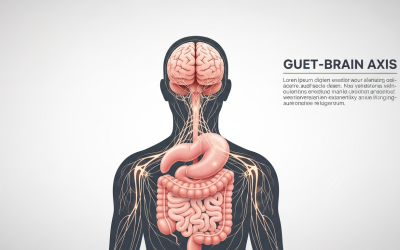
The gut also communicates directly with the brain through what scientists call the gut-brain axis. This connection uses nerves, hormones, and immune signals. It explains why digestive stress often travels alongside emotional strain.
While probiotics are not mood medicine, supporting gut health can help stabilize the biological systems that influence emotional resilience. For many people, this gentle support becomes noticeable over time rather than overnight.
Daily wellness rarely arrives in dramatic shifts. It builds quietly, through consistent internal balance.
After a winter infection, Daniel, a university student in Germany, completed two rounds of antibiotics. His illness cleared, but digestion never fully returned to normal. Meals felt heavy, and energy dipped sharply by late afternoon.
A healthcare provider suggested probiotic supplementation alongside fermented foods. Daniel chose a multi-strain probiotic containing Lactobacillus and Bifidobacterium species, strains commonly studied for gut recovery.
Within four weeks, bowel regularity improved. By the second month, bloating reduced and energy steadied. His experience reflects what studies often show. Antibiotics can disrupt microbial balance, and targeted probiotics may help restore diversity.
A 2023 meta-analysis in The British Journal of Nutrition found that specific probiotic strains reduced antibiotic-associated digestive symptoms and supported microbiome recovery.
Daniel’s case also highlights something important. Probiotics work best when combined with fiber-rich diets that feed beneficial bacteria. Supplements alone rarely solve the whole picture.
Not all probiotics behave the same way in the body. Effectiveness depends on strain selection, dosage, survivability through digestion, and consistency of use.
Researchers suggest that benefits are strain-specific, not just species-based. This means Lactobacillus rhamnosus GG, for example, may behave differently from other Lactobacillus strains.
Effective probiotics also require enough live organisms to reach the intestines. Many clinical studies use doses between one and ten billion colony-forming units per day, though needs vary by condition.
Another key factor is formulation. Capsules with delayed-release technology or protective coatings improve survival through stomach acid. Some probiotics are paired with prebiotics, fibers that feed beneficial microbes and enhance colonization.
Choosing quality products becomes less about marketing and more about transparent labeling and clinical backing. Trust grows when brands provide strain details and research references.
Immune health depends heavily on gut balance. Nearly seventy percent of immune cells reside in the digestive tract. This makes the microbiome a frontline defense system.
Studies from the University of California show that certain probiotic strains help regulate immune responses and reduce the frequency of common respiratory infections, especially during high-stress seasons.
For people juggling work, family, and limited sleep, immune resilience matters. While probiotics cannot prevent all illness, they may strengthen baseline defenses when taken consistently.
This is why many wellness routines now include probiotics as part of seasonal self-care, alongside nutrition, sleep, and stress management.
Daily wellness grows stronger when systems support one another instead of working in isolation.
Long before supplements existed, cultures relied on fermented foods to support digestion. Yogurt in Europe, kefir in Eastern regions, kimchi in Korea, and sauerkraut in Central Europe all reflect this ancient knowledge.
These foods introduce live bacteria while also providing nutrients that support overall health. For some people, food-based probiotics feel gentler and easier to digest.
However, fermented foods vary widely in bacterial content, and not all products contain live cultures by the time they reach store shelves. Pasteurization can remove beneficial microbes.
Still, combining fermented foods with probiotic supplements often offers broader microbial exposure. This dual approach mirrors what nutrition researchers increasingly recommend.
Food builds the foundation. Supplements fine-tune the balance when needed.
Digestive comfort involves more than bowel movements. It includes reduced bloating, stable appetite, and comfortable digestion after meals.
Probiotics may help by strengthening the gut barrier, reducing gas-producing bacteria, and modulating inflammatory responses.
A 2024 randomized controlled trial published in Gut Microbes showed that participants taking multi-strain probiotics experienced reduced abdominal discomfort and improved gut permeability markers.
However, responses differ. Some people notice improvements within weeks. Others need longer or benefit from changing strains.
This variability reflects the deeply personal nature of microbiomes. What works for one person may not work the same for another.
Listening to your body becomes part of choosing the right probiotic path.
When people search for the best probiotics for gut health and daily wellness, they often want simple guidance. While no single product suits everyone, certain qualities matter.
Look for clear strain identification, adequate dosage, and third-party testing. Products that explain how strains were selected and provide research references offer more transparency.
Shelf stability also matters. Some probiotics require refrigeration, while others use encapsulation technology to remain stable at room temperature.
Healthcare professionals can help guide choices, especially for those with digestive disorders or immune conditions.
Wellness thrives when decisions rest on informed trust rather than quick promises.
Modern life places constant pressure on the nervous system. Long work hours, digital overload, and reduced sleep all influence gut health.
Stress alters gut motility and microbial composition. Over time, this may increase digestive discomfort and inflammation.
Some probiotic strains, often called psychobiotics, show promise in supporting stress resilience. A 2023 study in Frontiers in Psychiatry found that specific probiotics reduced perceived stress in healthy adults after eight weeks.
While probiotics do not replace mental health care, they may offer gentle biological support alongside mindfulness, therapy, and lifestyle changes.
Wellness grows strongest when mental and physical systems receive care together.
Probiotics work best when they become part of steady routines rather than occasional fixes. Taking them at the same time each day improves consistency.
Many people prefer morning intake with food, which may enhance bacterial survival. Others find evening routines easier to maintain.
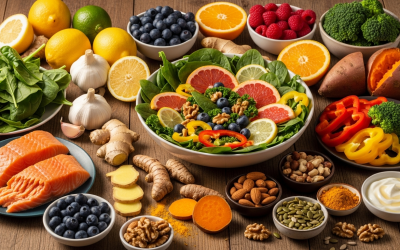
Pairing probiotic use with fiber-rich meals strengthens benefits. Whole grains, fruits, vegetables, and legumes feed beneficial bacteria, helping them thrive.
Hydration also matters. Water supports digestion and microbial balance, especially during dietary transitions.
Small habits repeated daily often shape the biggest health changes over time.
Choosing probiotics is not about chasing perfect digestion. It is about creating steadier internal balance that supports energy, immunity, and comfort.
The best probiotics for gut health and daily wellness work quietly, reinforcing systems that already want to function well. When paired with nourishing food, rest, and mindful routines, their effects often feel subtle yet meaningful.
If you are exploring holistic approaches to daily wellbeing, you may also find helpful insights in this related lifestyle guide at
https://thegangchil.com
Wellness does not arrive through dramatic changes. It grows through patient care for the small systems that carry us through each day.
How long should probiotics be taken to notice benefits?
Many people notice digestive changes within two to four weeks, though some benefits may take longer depending on individual microbiomes.
Can probiotics be taken with medications?
In many cases yes, but it is always best to consult healthcare providers, especially when taking antibiotics or immune-modulating drugs.
Do children and teens need probiotics?
Healthy children often maintain balanced microbiomes naturally, though probiotics may be recommended in specific medical situations under professional guidance.
Are higher CFU counts always better?
Not necessarily. Effectiveness depends more on strain quality and survivability than sheer quantity.
Can probiotics replace healthy eating?
No. Supplements support wellness but cannot substitute for fiber-rich, nutrient-dense diets that feed beneficial bacteria.
Nature Reviews Gastroenterology & Hepatology, 2024. The Human Microbiome and Systemic Health.
https://www.nature.com/nrgastro
British Journal of Nutrition, 2023. Probiotics and Antibiotic-Associated Gut Recovery.
https://www.cambridge.org/core/journals/british-journal-of-nutrition
Gut Microbes, 2024. Multi-Strain Probiotics and Gut Barrier Function.
https://www.tandfonline.com/toc/kgmi20/current
University of California Research on Gut and Immunity.
https://www.ucdavis.edu/health
Frontiers in Psychiatry, 2023. Psychobiotics and Stress Modulation.
https://www.frontiersin.org/journals/psychiatry
Posted 7:27 pm | Sunday, 18 January 2026
| nm