

For many people across the US and Europe, mornings begin with a quiet question. What should I eat that feels good now and still supports me years from today. That question often leads to plant-based eating. Not because it is trendy, but because it feels lighter, kinder, and easier on both the body and the planet.
Yet enthusiasm alone does not answer the deeper challenge. People want to know how to build a balanced plant-based wellness meal plan without feeling tired, restricted, or confused by nutrition advice that keeps changing. This is where gentle structure matters more than strict rules.
Research from Harvard T.H. Chan School of Public Health continues to show that well-planned plant-based diets are linked to lower risks of heart disease, type 2 diabetes, and certain inflammatory conditions. At the same time, dietitians now speak more openly about balance, not perfection, as the foundation of sustainable health.
This article follows real people, current science, and everyday routines to show how plant-based wellness can fit into real life. Slowly. Kindly. And with enough flexibility to last.
Balance does not mean counting every nutrient or eating perfectly clean foods. For most people, it means steady energy, stable moods, and meals that feel satisfying rather than stressful.
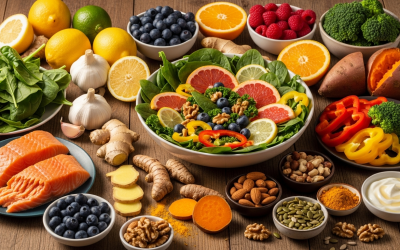
Plant-based wellness focuses on whole foods like vegetables, fruits, legumes, whole grains, nuts, and seeds. These foods bring fiber, antioxidants, and steady-release carbohydrates that support digestion and blood sugar control. According to a 2023 review in Nutrients Journal, diets rich in plant diversity improve gut health and metabolic markers even when not fully vegan.
However, balance also means understanding what plants do not always provide easily. Nutrients such as vitamin B12, iron, omega-3 fats, and sometimes iodine may need careful food choices or gentle supplementation, especially for those who avoid all animal products.
This is where food and supplement strategies work together, not as opposites, but as partners. A wellness meal plan grows stronger when it respects both nutritional science and daily realities.
Balanced plant-based living also considers mental health. Stable blood sugar helps reduce mood swings. Consistent meals support focus and sleep. Over time, these small effects add up, shaping how resilient people feel in everyday stress.
Wellness, in this sense, becomes less about diet rules and more about building steady support for body and mind.
Emma, a school counselor in Oregon, began plant-based eating after struggling with joint stiffness and afternoon fatigue. She did not change overnight. At first, she simply replaced lunch with grain bowls and added more vegetables to dinner.
Within three months, she noticed lighter digestion and fewer energy crashes. But she also experienced unexpected hunger and occasional headaches. After consulting a registered dietitian, she adjusted her meals to include more protein from lentils and tofu, added healthy fats, and began taking a low-dose B12 supplement.
Two years later, Emma still follows a plant-focused routine. She credits balance rather than strictness for making the lifestyle sustainable. She eats mostly plants but occasionally includes dairy at social events without guilt.
Stories like hers reflect what studies increasingly show. Long-term success comes from adaptable routines, not rigid labels. A 2024 European Nutrition Survey found that flexible plant-forward diets had higher adherence rates and similar health benefits compared to strict vegan plans.
This matters because consistency shapes outcomes more than short-term intensity.
Many people worry that plant-based eating will leave them tired. That fear often comes from meals built mainly around refined carbs or low-protein snacks.
Energy stability depends on combining slow-digesting carbohydrates with protein and healthy fats. Whole grains release glucose gradually. Legumes provide amino acids that support muscle and neurotransmitter production. Nuts and seeds slow digestion, keeping hunger steady.
When meals lack this balance, blood sugar rises quickly and falls just as fast. This cycle contributes to fatigue and cravings.
Researchers at King’s College London found that meals combining fiber, protein, and fat led to longer satiety and more stable glucose curves, even when total calories stayed the same.
This science explains why wellness meal plans work best when built around combinations rather than single food groups. A bowl of vegetables feels light. Add chickpeas, quinoa, and tahini, and it becomes sustaining.
Energy is not about eating more. It is about eating wisely.
Food influences mood more than many people realize. The brain depends on steady glucose, amino acids, and micronutrients to regulate neurotransmitters like serotonin and dopamine.
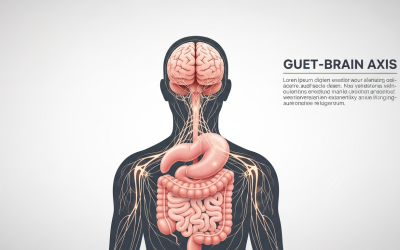
Plant foods contribute through fiber that feeds gut bacteria. Those bacteria produce short-chain fatty acids that influence inflammation and brain signaling. Studies from the American Gut Project show strong links between microbial diversity and emotional resilience.
This connection explains why people who eat diverse plant-based meals often report steadier moods over time. Not perfect happiness, but fewer dramatic emotional dips.
However, emotional wellbeing also suffers when people under eat or fear certain foods. Balanced wellness encourages nourishment without anxiety.
Adding comforting meals, warm soups, or familiar flavors supports psychological safety, which matters as much as nutrient intake.
Wellness grows best in calm conditions, not under constant dietary pressure.
A wellness meal plan should reduce stress, not create more of it. Many people struggle because they plan meals that require too much preparation.
A realistic rhythm begins with a few repeating staples. Cooked grains, roasted vegetables, and protein-rich legumes can mix into different meals across several days.
Batch cooking once or twice weekly saves time and prevents last-minute fast food decisions. Still, flexibility remains important. Eating out, family meals, and social events are part of healthy living too.
A 2023 behavioral nutrition study from the University of Michigan found that moderate planning combined with flexibility improved dietary adherence and reduced feelings of deprivation.
Wellness planning works best when it supports lifestyle, not controls it.
If you enjoy simple routines, gentle planning becomes a form of self-care rather than a chore.
In northern Italy, a community wellness program encouraged adults to adopt plant-forward meal planning rather than strict veganism. Participants received guidance on combining whole grains, legumes, vegetables, and olive oil, along with optional fish or dairy.
After one year, participants showed reduced LDL cholesterol, improved insulin sensitivity, and modest weight stabilization. These outcomes were published in The European Journal of Preventive Cardiology in 2024.
Interestingly, participants who allowed occasional animal products reported less stress and better social participation, while maintaining strong health improvements.
This supports the idea that balanced plant-based wellness focuses on dietary patterns rather than perfection.
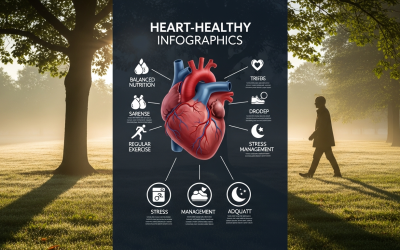
The heart benefits when plants form the foundation, even if flexibility remains.
While whole foods should remain the main source of nutrients, supplements sometimes play a helpful supporting role. Vitamin B12 remains essential for nerve health and red blood cell formation. Most experts recommend supplementation for those avoiding animal products.
Omega-3 fatty acids from algae-based supplements can support brain and cardiovascular health, especially for individuals who do not consume fish.
Iron absorption improves when plant iron sources combine with vitamin C-rich foods. Still, some people, especially menstruating women, may need monitoring through blood tests.
Supplement use should always align with individual needs, not trends. Healthcare providers can help guide safe choices.
When used thoughtfully, food and supplement strategies together create nutritional safety nets that support long-term wellness.
Learning how to build a balanced plant-based wellness meal plan begins with understanding simple meal structure. Most balanced meals include a base of complex carbohydrates, a source of protein, healthy fats, and plenty of colorful vegetables.
Breakfast might feel best when it includes slow-release energy such as oats with seeds and fruit, or whole-grain toast with nut spreads and berries.
Lunch often benefits from hearty bowls, soups, or wraps that combine legumes and grains.
Dinner tends to work well when it feels warm and grounding, especially in colder climates, with stews, roasted vegetables, and plant proteins.
Snacks matter too. Pairing fruit with nuts or hummus with vegetables prevents blood sugar dips.
The goal is not rigid schedules, but predictable nourishment that supports steady energy and mood.
Over time, this rhythm becomes intuitive.
Food alone does not define wellness. Movement, sleep, sunlight, and social connection shape how the body responds to nutrition.
Plant-based eaters who combine regular walking, strength exercises, and restorative sleep show stronger metabolic improvements than those who rely on diet alone, according to a 2024 review in The Lancet Healthy Longevity.
Gentle daily activity improves insulin sensitivity and digestion. Good sleep supports hormone regulation and appetite control.
Meal planning becomes easier when lifestyle habits align. Hunger signals become clearer. Cravings soften.
Wellness thrives when the whole routine supports balance, not just what sits on the plate.
Learning how to build a balanced plant-based wellness meal plan is not about changing everything at once. It grows from small, steady choices that feel manageable and kind.
For many people, shifting toward plants brings more than physical benefits. It offers a sense of alignment with health, sustainability, and personal values.
Yet balance remains the true foundation. Nourishing food, flexible routines, and supportive habits together shape long-term wellbeing.
If you would like to explore more about mindful lifestyle habits and sustainable health practices, you may find helpful insights in this related guide on daily wellness routines at
https://thegangchil.com
Wellness is not a finish line. It is a relationship you build with your body, one meal and one day at a time.
Is a fully vegan diet necessary for plant-based wellness?
For many people, no. Research suggests that diets centered on plants with occasional animal products can still provide strong health benefits.
Can children and teens follow plant-based meal plans safely?
With proper planning and medical guidance, plant-focused diets can support growth. However, individual nutrient needs should always be monitored by healthcare professionals.
Do plant-based diets support muscle health?
Yes, when protein intake comes from diverse sources such as legumes, tofu, tempeh, and whole grains, muscle maintenance and growth remain possible.
Are supplements always required on plant-based diets?
Not always, but vitamin B12 supplementation is widely recommended for those avoiding animal products. Other supplements depend on individual needs and lab results.
How long does it take to feel benefits after switching?
Some people notice digestive and energy changes within weeks, while long-term cardiometabolic benefits often develop over months.
Harvard T.H. Chan School of Public Health. Plant-Based Diets and Health Outcomes.
https://www.hsph.harvard.edu/nutritionsource/plant-based-diets/
Nutrients Journal, 2023. Plant Diversity and Metabolic Health Review.
https://www.mdpi.com/journal/nutrients
European Journal of Preventive Cardiology, 2024. Plant-Forward Diet Intervention Study.
https://academic.oup.com/eurjpc
American Gut Project Findings. Gut Microbiome and Mental Health.
https://americangut.org
The Lancet Healthy Longevity, 2024. Lifestyle Interventions and Metabolic Health.
https://www.thelancet.com/journals/lanhl
Posted 9:26 pm | Sunday, 18 January 2026
| nm