

It often begins with something small. A knee that feels stiff after a morning walk. Fingers that ache when opening a jar. A shoulder that complains after a long day at the desk. For millions of people, joint discomfort slowly becomes part of daily life, quietly shaping how they move, sleep, and work. In recent years, more people across the US and Europe have started searching for natural anti inflammatory remedies for joint pain, not because they reject medicine, but because they want gentler ways to support long term comfort alongside conventional care. This shift fits naturally into the broader conversation around Health and Wellness, where prevention and daily habits matter as much as treatment. Within this space, thoughtful product review and real life experience help people choose what truly supports their bodies rather than what simply promises fast relief.
Research suggests that chronic low grade inflammation plays a central role in joint stiffness and soreness, especially in conditions such as osteoarthritis. According to the World Health Organization, musculoskeletal conditions are among the leading causes of disability worldwide, affecting more than 1.7 billion people. That number alone explains why so many are seeking everyday strategies that feel sustainable, not extreme. And often, relief begins not with dramatic cures, but with steady, patient changes that work quietly in the background.
Joint pain rarely appears without context. For many people, it develops after years of repetitive movement, minor injuries, excess weight, or long periods of inactivity. Inflammation is not the enemy. It is part of how the body protects and repairs itself. The problem arises when that response stays switched on for too long.
Researchers now describe chronic inflammation as a slow burning process influenced by lifestyle, stress, sleep quality, and diet. When inflammation lingers, joints may feel swollen, warm, or stiff, particularly in the morning or after sitting still. Over time, this can affect cartilage and surrounding tissues, gradually reducing mobility.
A physical therapist in Boston once described joint pain as a conversation between the body and daily habits. When people listen early, small changes often calm that conversation. When they ignore it, the body raises its voice. This perspective helps explain why natural approaches often focus on supporting the body’s own healing systems rather than forcing pain to disappear.
Understanding this foundation makes it easier to see why natural remedies focus not on numbing pain, but on reducing the conditions that allow inflammation to persist.
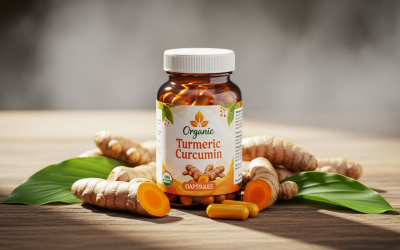
Among natural remedies, turmeric continues to receive strong scientific attention. Its active compound, curcumin, has been studied for its ability to influence inflammatory pathways in the body. A 2021 review in Frontiers in Pharmacology reported that curcumin supplementation showed similar benefits to some anti inflammatory medications for knee osteoarthritis, though effects varied by individual.
One retired teacher in California began adding turmeric tea to her afternoon routine after her doctor suggested gentle dietary changes. She did not expect miracles. Yet over several months, she noticed that climbing stairs felt less uncomfortable. What mattered most was consistency rather than intensity.
Absorption plays a key role. Curcumin absorbs better when combined with black pepper and healthy fats. That is why many supplements and recipes pair turmeric with pepper and oil. However, food based approaches often work gradually and require patience.
For those considering supplements, quality and dosage matter. Not all products contain effective curcumin concentrations. This is where careful product review becomes part of responsible wellness, not impulse buying.
Inflammation does not only respond to herbs. Dietary fats also influence how the body manages inflammatory signals. Omega three fatty acids, commonly found in fatty fish and certain plant sources, have been linked to reduced joint stiffness and tenderness.
A large observational study published in Annals of the Rheumatic Diseases found that higher omega three intake correlated with lower levels of inflammatory markers in people with arthritis. While correlation does not prove cause, clinical trials have also suggested that omega three supplementation may reduce morning stiffness and improve grip strength in some individuals.
A middle aged office worker in Germany shared that he began taking fish oil after struggling with wrist pain from computer use. He paired this with ergonomic changes and gentle hand exercises. Over time, the combination reduced both discomfort and fatigue, allowing him to work more comfortably.
It is important to note that omega three intake should be balanced. Excessive supplementation may interact with blood thinning medications, which is why medical guidance remains important for people with existing conditions.
Ginger has long been used in traditional medicine for its warming and soothing qualities. Modern research now supports some of these traditional claims. Ginger contains compounds such as gingerols that appear to influence inflammatory processes.
A 2020 study in Osteoarthritis and Cartilage reported modest pain reduction in participants who used ginger extracts regularly. While results were not dramatic, many participants also reported improved overall comfort during movement.
A yoga instructor in New York incorporated ginger tea into her evening routine after intense teaching days. She found that the warmth and gentle stimulation helped her muscles relax, which indirectly eased joint tension. For her, the ritual itself became part of recovery.
Ginger is generally safe in moderate dietary amounts. However, concentrated supplements may cause digestive upset for some people. As with many natural remedies, gentle daily use often works better than occasional high doses.
Natural remedies do not exist only in the kitchen or medicine cabinet. Movement remains one of the most powerful anti inflammatory tools available. Regular, low impact activity improves circulation, delivers nutrients to joint tissues, and reduces stiffness.
Physical therapists often encourage consistent walking, swimming, or cycling for joint health. These activities stimulate synovial fluid, which lubricates joints and supports cartilage nourishment. Without movement, joints stiffen and inflammation can worsen.
A former marathon runner in Oregon had to stop high impact training after knee issues developed. At first, she feared that less activity meant less fitness. Yet after transitioning to daily walking and gentle strength training, her pain reduced and mobility improved.
Movement also supports mental wellness, which influences how the body experiences pain. Stress increases inflammatory responses, while regular activity lowers stress hormones. This connection explains why joint comfort often improves when people address both physical and emotional strain.
For readers looking to reduce daily stress that contributes to inflammation, this guide on managing mental well being offers helpful context:
https://thegangchil.com/10-ways-to-control-stress-for-better-mental-health-and-balanced-living/
Sleep is not passive rest. It is active repair. During deep sleep stages, the body releases growth hormones that support tissue recovery and immune regulation. When sleep becomes fragmented, inflammatory markers rise.
A study in Nature Reviews Rheumatology highlighted that people with chronic joint conditions who experienced poor sleep also reported higher pain sensitivity and fatigue. This creates a cycle where pain disrupts sleep and lack of sleep worsens pain.
A marketing executive in Chicago noticed that her joint discomfort peaked after late nights working on deadlines. When she committed to consistent sleep schedules and reduced screen exposure before bed, she noticed gradual improvement in both energy and joint comfort.
Natural remedies for sleep support may include calming herbal teas, gentle stretching before bed, and limiting caffeine late in the day. While these steps may seem unrelated to joints, they directly influence inflammatory balance.
Improving sleep often becomes one of the most overlooked yet powerful ways to support joint health naturally.
Inflammation is not only chemical. Mechanical stress also matters. Excess body weight increases pressure on weight bearing joints, particularly the knees and hips. Even small reductions in body weight can significantly decrease joint load.
According to research published in Arthritis Care and Research, every pound of weight lost reduces knee joint stress by about four pounds during daily activities. This explains why gradual, sustainable weight management often improves joint comfort.
A couple in Spain decided to focus on gentle lifestyle changes rather than strict dieting. They cooked more whole foods at home, walked together after dinner, and reduced sugary snacks. Over months, modest weight loss led to noticeable improvements in joint flexibility for both.
Weight balance should never be approached through extreme restriction. Rapid dieting increases stress hormones and may worsen inflammation. Sustainable habits support both joint health and emotional well being.
Not all remedies work from the inside. Topical creams and oils offer localized comfort by influencing nerve receptors and circulation near the joint.
Products containing menthol, capsaicin, or herbal extracts such as arnica often provide warming or cooling sensations that distract pain signals. While these products do not reduce underlying inflammation deeply, they can make daily movement more comfortable.
A cyclist in France used herbal topical gels after long rides to manage knee soreness. While the relief was temporary, it allowed him to continue exercising without fear of immediate discomfort.
When reviewing topical products, ingredient transparency matters. Some formulations rely heavily on synthetic fragrances that irritate sensitive skin. Responsible product review focuses on active compounds rather than marketing language.
Topical relief works best when combined with movement, hydration, and nutritional support rather than used in isolation.
Natural remedies show their greatest value when they become part of daily rhythm rather than occasional responses to pain. Small, consistent habits gradually shift how the body manages inflammation.
Morning routines might include gentle stretching, hydration, and light movement to wake up joints. Meals rich in anti inflammatory nutrients support internal balance. Evening rituals that promote relaxation improve sleep quality and recovery.
One occupational therapist described daily routines as quiet investments. Each choice feels small, yet over time the body responds with improved resilience.
People who succeed with natural joint support rarely rely on a single remedy. Instead, they combine movement, nutrition, sleep care, and stress management into a flexible routine that fits their lifestyle.
This approach aligns with modern Health and Wellness philosophy, which emphasizes systems rather than isolated fixes.
While natural approaches support many people, they cannot replace medical evaluation for serious joint conditions. Persistent swelling, redness, fever, or sudden loss of movement requires professional assessment.
Autoimmune conditions such as rheumatoid arthritis require medical treatment to prevent joint damage. Natural remedies may support comfort but cannot replace disease modifying therapy.
A patient in the UK initially delayed medical care while trying home remedies for severe joint swelling. Once diagnosed, proper treatment reduced inflammation dramatically, while lifestyle changes helped manage daily fatigue and stiffness.
Responsible wellness includes recognizing limits. Natural remedies work best when they complement medical guidance rather than delay necessary care.
For balanced information on joint health and inflammation, trusted medical resources such as the Mayo Clinic provide detailed explanations on causes and treatments of joint pain:
https://www.mayoclinic.org/symptoms/joint-pain/basics/definition/sym-20050657
Joint pain may begin quietly, but it influences nearly every part of daily life. Exploring natural anti inflammatory remedies for joint pain allows many people to regain comfort without depending solely on medication. Through thoughtful nutrition, gentle movement, quality sleep, and careful product review, people build routines that support long term joint resilience. Within the broader world of Health and Wellness, these daily choices shape not only physical comfort but emotional confidence as well.
No single remedy works for everyone. Yet many discover that small, steady changes quietly reduce inflammation over time. The goal is not perfection. It is progress, built patiently and supported by listening to the body’s signals.
If you are exploring sustainable ways to support joint health and overall well being, continue learning and share your experiences with others navigating similar paths.
👉 Read more practical wellness guides at https://thegangchil.com/
👉 Explore the next article and join the conversation in the comments.
Your body adapts when you care for it consistently. Often, that is where true healing begins.
Do natural remedies cure joint pain permanently
Natural remedies may reduce inflammation and improve comfort, but they do not cure structural joint damage or autoimmune conditions.
How long does it take to see results from natural approaches
Many people notice gradual improvement over weeks rather than days, especially when habits remain consistent.
Can I use natural remedies alongside medication
In most cases yes, but interactions are possible. It is wise to consult healthcare providers when combining treatments.
Are supplements always better than food sources
Not necessarily. Many nutrients absorb better from whole foods, while supplements may help when dietary intake remains low.
Posted 10:00 pm | Thursday, 29 January 2026
| nm