

It started on an ordinary evening. The kind where nothing feels particularly wrong, yet nothing feels fully right either. Arif sat by his window after dinner, scrolling through his phone, a half-finished packet of biscuits beside him. He reached for another without thinking. Sweet, quick, comforting. For a few minutes, his body relaxed. His thoughts softened.
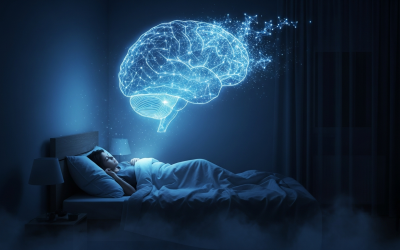
But later that night, something shifted. His heart felt slightly faster. His chest tightened just enough to notice. Sleep didn’t come easily. His mind wandered from one worry to another. By morning, he blamed stress. Work pressure. Life.
What Arif didn’t realize—and what many adults overlook—is how deeply food shapes emotions. Understanding why processed sugar worsens anxiety in adults is not just about diet. It is about how your body speaks to your mind every single day.
If you pause and look at global research, a pattern quietly emerges. It is not dramatic, but it is consistent.
These are not isolated findings. If you explore research databases like Google Scholar, you will notice repeated connections between diet and mental health patterns.
Processed sugar worsens anxiety in adults because it creates rapid spikes and crashes in blood sugar levels. These changes disturb brain chemicals like serotonin and dopamine, increase stress hormones, and lead to mood instability, restlessness, and heightened anxiety over time.
Let’s slow this down and look inside the body, not as a machine, but as a sensitive system trying to stay balanced.
When you eat processed sugar, your body reacts quickly. Blood sugar rises. This feels pleasant at first. You might feel lighter, more awake, even slightly happier. It is a brief illusion of control.
But the body does not like extremes. So it responds by releasing insulin. This hormone pushes sugar out of your bloodstream rapidly. The result is a sudden drop.
This drop is where confusion begins. The brain interprets it as a signal of danger. It does not know the difference between a sugar crash and a real threat. So it activates survival responses.
Your heart rate may increase. Your breathing may change. Thoughts become restless. This is not random anxiety. It is a biological reaction.
Now imagine repeating this cycle every day. Morning tea with sugar. Afternoon snacks. Late-night cravings. Over time, your nervous system becomes more reactive. It expects instability. That expectation slowly becomes anxiety.
The connection between sugar and anxiety feels complex, but it becomes simple when you look at three core processes.
First comes the dopamine effect. Sugar triggers a quick release of dopamine, the brain’s “reward” chemical. It feels good, but it does not last. When dopamine drops, your mood drops with it.
Second is inflammation. Many people think inflammation only affects the body. But low-level inflammation can influence brain function. It creates subtle changes in how you process stress.
Third is the gut-brain connection. Your gut produces many of the chemicals that affect mood. A diet high in sugar disrupts gut balance. When the gut struggles, the mind follows.
Consider how this plays out across age groups:
| Factor | Younger Adults | Older Adults |
|---|---|---|
| Recovery speed | Faster | Slower |
| Sugar tolerance | Higher | Lower |
| Anxiety impact | Short bursts | Long-lasting |
And the timeline of change is gradual, often unnoticed:
This is how small daily habits slowly reshape emotional health.
Patterns become clearer when we step back and observe behavior over time.
| Daily Pattern | Emotional Result |
|---|---|
| High sugar snacks | Frequent tension and restlessness |
| Balanced meals | Steady calm and focus |
| Reduced sugar | Improved emotional stability |
Flow of impact:
Sugar intake → Blood spike → Hormonal response → Energy crash → Stress signal → Anxiety response
Once you see this pattern clearly, it becomes difficult to ignore.
Anxiety rarely appears suddenly. It builds quietly through signals most people dismiss.
These signs often seem harmless. But they are early warnings.
Experts continue to observe this connection closely. :contentReference[oaicite:2]{index=2} explains that diets high in refined sugar may worsen symptoms of anxiety by disrupting brain regulation systems.
This is not about fear. It is about awareness.
Riya noticed something small. Not dramatic. Just a pattern she could not explain. Every evening, after her tea and sweet snacks, she felt slightly restless. Nothing severe, just enough to feel uncomfortable.
At first, she ignored it. Life was busy. Stress felt like the obvious reason.
One day, by accident, she skipped her usual biscuits. That evening felt different. Calmer. Lighter. She slept better.
This small moment created curiosity. And curiosity created change.
Step 1: Awareness
She started noticing what she ate and how she felt after.
Result: Patterns became clear.
Step 2: Gentle Reduction
She reduced sugar slowly instead of stopping suddenly.
Result: Cravings became manageable.
Step 3: Smart Replacement
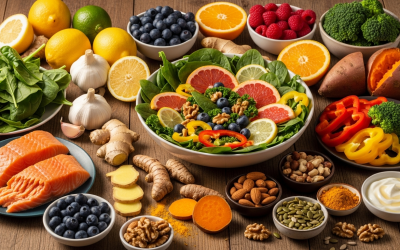
She replaced sweets with fruits and nuts.
Result: Energy stayed stable.
Step 4: Consistency
She repeated small changes daily.
Result: Anxiety reduced over weeks.
Step 5: Reflection
She tracked emotional shifts.
Result: Motivation grew naturally.
Step 6: Lifestyle Integration
Healthy eating became part of her routine.
Result: Calm became her baseline.
Flow:
Awareness → Adjustment → Stability → Calm
| Habit | Outcome |
|---|---|
| Lower sugar intake | Reduced anxiety |
| Balanced nutrition | Better focus |
| Consistent routine | Emotional stability |
For more practical health insights, explore thegangchil.com and discover simple ways to support mental wellness. You can also read related guides at this section.
Anxiety does not always come from big life events. Sometimes, it grows from repeated small imbalances. A daily habit. A hidden pattern. A simple choice.
Understanding why processed sugar worsens anxiety in adults is not about removing joy from food. It is about restoring balance.
When your body feels stable, your mind feels safe. And when your mind feels safe, anxiety begins to fade.
If this resonated with you, stay connected with more insights at thegangchil.com. What is one small change you can start today?
1. Can sugar really increase anxiety levels?
Yes. Sugar affects blood sugar levels and brain chemistry. When levels rise and fall quickly, the body reacts with stress signals that can feel like anxiety, especially when repeated often.
2. How fast does sugar affect mood?
Sugar can influence mood within 30 to 60 minutes. You may feel better briefly, followed by a noticeable drop in energy and emotional balance.
3. Are all sugars harmful?
Natural sugars found in whole foods are less harmful because they are absorbed slowly. Processed sugar, however, creates rapid spikes that affect mood stability.
4. What is a safe sugar limit?
The :contentReference[oaicite:3]{index=3} recommends limiting added sugar to less than 10% of daily calorie intake for better health.
5. What is the easiest way to reduce sugar?
Start small. Replace sugary snacks with whole foods, reduce sweet drinks, and build gradual habits instead of sudden restrictions.
Medical Disclaimer: This article is for educational purposes only and does not replace professional medical advice.
© thegangchil.com
Posted 7:47 am | Sunday, 01 March 2026
| nm