

Julia, a marketing executive in New York, always believed that a busy schedule justified eating on autopilot. Breakfast was often a granola bar grabbed on the subway, lunch a rushed sandwich at her desk, and dinner a frozen meal while checking emails. Yet over time, she noticed more than weight changes: she felt anxious, foggy, and emotionally exhausted.
Across Berlin, Copenhagen, and Tokyo, stories like Julia’s are increasingly common. Research from the World Health Organization (WHO, 2023) reports that mental health disorders, including anxiety and depression, affect over 300 million people globally. While therapy and medication are essential tools, emerging evidence reveals that our food choices can profoundly influence mental wellness—sometimes even before we recognize the benefits.
This article explores mindful eating: how your food choices impact mental wellness, blending emotional storytelling, expert insights, and actionable strategies for lasting mental health improvements. Whether you are in the US, Europe, or elsewhere, these approaches are globally relevant and evidence-based.
Mindful eating is more than avoiding fast food. It involves paying attention to the body’s hunger cues, choosing nutrient-dense foods, and creating a positive relationship with meals. According to Harvard Health (2024), mindful eating reduces emotional eating, improves digestion, and lowers cortisol—the stress hormone—helping prevent mood swings and anxiety.
Dr. Evelyn Carter, a clinical nutritionist (2023), emphasizes:
“Mindful eating is not about perfection. It’s about creating a moment of awareness in every meal. That awareness alone strengthens the mind-body connection and supports emotional resilience.”
Small adjustments, like savoring each bite, noticing flavors, and pausing before reaching for seconds, can significantly influence mental health outcomes.
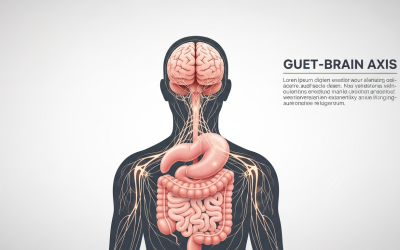
Modern science confirms that the gut and brain are intricately connected. The gut houses over 90% of the body’s serotonin receptors (Johns Hopkins Medicine, 2023), which regulate mood, sleep, and appetite. When gut microbiota are imbalanced, inflammation can increase, and anxiety or depressive symptoms can worsen.
Case Study:
A software engineer in San Francisco began including probiotic-rich foods such as yogurt and fermented vegetables in her daily diet. Within four weeks, she reported fewer mood swings and lower baseline anxiety. University of Michigan research (2022) supports this: individuals with a diverse gut microbiome experienced significant reductions in stress-related biomarkers.
Internal Resource: The Link Between Gut Health and Mental Clarity
Several nutrients directly influence brain function, neurotransmitter synthesis, and stress regulation:
Practical Tip: A balanced plate of colorful vegetables, lean protein, and whole grains promotes both physical and mental health—a core principle of mindful eating.
Implementing mindful eating involves creating rituals that support awareness and nourishment.
Julia’s Transformation:
She began setting aside ten minutes for breakfast without screens, focusing on the taste, texture, and aroma of her food. Over time, she noticed reduced afternoon anxiety and improved concentration at work.
Dr. Helen Brooks (2022) emphasizes:
“Even brief mindful eating sessions can activate the parasympathetic nervous system, which calms the body and reduces stress levels.”
Practical strategies include:
Plant-based diets are increasingly recognized for their mental health benefits. A 2023 review in the Journal of Nutrition Psychiatry found that higher consumption of fruits, vegetables, nuts, and legumes correlates with lower rates of anxiety and depressive symptoms.
Case Study:
A Copenhagen-based teacher who transitioned to a mostly plant-based diet reported feeling more energized and emotionally resilient. This supports growing global trends toward eco-friendly, nutrient-dense eating patterns.
Dehydration subtly affects cognitive function, stress tolerance, and mood. Mayo Clinic (2023) reports that even mild dehydration can reduce alertness and increase irritability. Drinking water mindfully, or including herbal teas like chamomile or peppermint, supports both mental and emotional wellness.
Internal Resource: Best Foods for Child Health and Immunity
Chronic stress increases cravings for high-sugar and processed foods, creating a cycle that negatively impacts mental health. Mindful eating interrupts this cycle by promoting awareness and self-regulation.
Example:
A London-based project manager learned to pause before reaching for a snack when stressed. By choosing nutrient-dense options, she reduced sugar-induced mood swings and felt more in control of her emotions.
Physical activity complements mindful eating. Movement improves nutrient absorption, balances hormones, and enhances neurotransmitter function. Harvard Health (2024) shows that moderate exercise, paired with mindful eating, improves mood and reduces anxiety more effectively than either approach alone.
Practical Steps:
Experts predict growing integration of AI nutrition apps, personalized meal plans, and gut microbiome testing by 2030, enabling individuals to optimize mental health through diet. Urban wellness trends such as forest kitchens and communal mindful dining are emerging globally to enhance emotional resilience and social connectedness.
Mindful eating is not a temporary diet—it is a long-term investment in mental health. By paying attention to food choices, practicing awareness, and integrating nutrient-dense meals, individuals can improve emotional resilience, reduce stress, and enhance overall well-being.
Take the first step today: savor your next meal fully, choose foods that nourish your mind and body, and observe the changes in mood and mental clarity. For further guidance, explore additional wellness articles at TheGangchil.com, including:
1. How does mindful eating improve mental health?
Mindful eating strengthens the mind-body connection, reduces stress, balances hormones, and supports emotional regulation.
2. Which foods are best for mental wellness?
Omega-3 rich fish, leafy greens, nuts, whole grains, and fermented foods have proven benefits for mental health.
3. Can mindful eating help with anxiety or depression?
Yes. Mindful eating reduces emotional eating and cortisol levels, positively impacting anxiety and depressive symptoms (Harvard Health, 2024).
4. How long does it take to see results from mindful eating?
Many people notice improvements in mood and focus within 2–4 weeks of consistent practice.
Posted 9:00 pm | Wednesday, 10 December 2025
| nm