

Health and Wellness
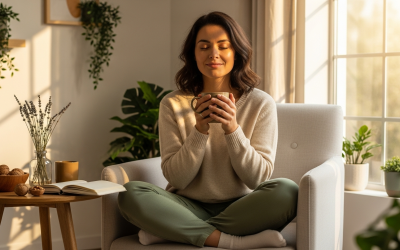
I never understood grounding until that night in the airport lounge, when panic hit like a wave and my breath caught in my throat. I didn’t realize it at the time, but what helped was something very simple — noticing my body and what was around me. The texture of the worn armchair, the hum of the lights, the warmth of my palms resting on my knees. What pulled me back were small, practical grounding techniques that gently bring your focus to the present instead of getting lost in overwhelming thoughts.
When stress or panic rises, your body reacts fast. Your heart races, breathing becomes shallow, and your thoughts start running in circles. Grounding helps you come back to the present moment using your senses and body. That shift alone can calm the “fight or flight” response and steady both your mind and breath.
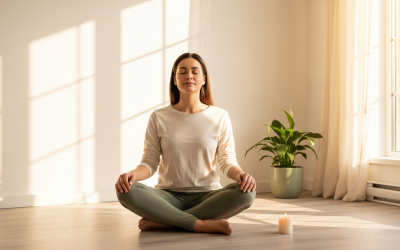
A helpful thing about grounding is how simple it is. You don’t need tools, apps, or preparation. Just your breath, your body, and a bit of awareness.
Slow breathing plays a big role here. When you take calm, steady breaths, your body naturally shifts toward a relaxed state. Even focusing on small details around you — sounds, textures, colors — can help your mind settle.
During panic, your brain’s alarm system takes over. Grounding helps you step out of that loop and reconnect with reality. It gently reminds your brain that you are safe.
| Type | What It Does | Example |
|---|---|---|
| Sensory | Shifts focus outward | 5-4-3-2-1 method |
| Breathing | Slows heart and breath | Box breathing |
A simple grounding flow might look like this:
Grounding works best when you catch stress early. A racing heart, shallow breathing, or feeling slightly disconnected are often the first signs.
Many people wait until panic becomes intense. At that stage, it feels harder to regain control. Acting early makes grounding much more effective.
Different techniques work for different people. Some feel calmer focusing on their senses. Others respond better to breathing or gentle movement.
Practice matters here. Using grounding regularly makes it feel natural when you actually need it.
Picture this: your heart starts beating faster and your thoughts begin to race. Here’s a gentle way to respond:
| Feeling | What to Do | What You’ll Notice |
|---|---|---|
| Disconnected | Name five things you can see | You feel present again |
| Racing thoughts | Slow inhale and exhale | Breathing becomes steady |
Take your time with each step. Let your senses guide you. If something doesn’t feel right, switch to another method. Over time, this becomes a natural response your body understands.
Feeling calm again doesn’t happen instantly, but each slow breath helps you get there.
Grounding isn’t a magic fix, but it’s something you can rely on anywhere. The more you practice, the easier it becomes to steady yourself when stress shows up.
Key Takeaways:
Want more insights like this? Sign up for our newsletter and explore more ways to support calm, focus, and emotional balance.
What are grounding techniques?
Simple exercises that use your senses and body to bring your attention back to the present moment.
Can grounding stop a panic attack?
It can interrupt the cycle and reduce symptoms, especially when used early.
How long does grounding take?
Many techniques start working within a few minutes.
Do I need special tools?
No. You can do most grounding exercises anywhere, using just your body and awareness.
Article by the Editorial Team • Medical review • Not a substitute for professional advice.
Posted 8:22 pm | Wednesday, 01 April 2026
| nm