

It often begins quietly. A faint pressure behind the eyes, a dull ache at the temples, or a slow tightening at the back of the head after a long screen-filled day. For many people around the world, headaches have become part of modern life. Work deadlines, disrupted sleep, dehydration, and constant digital exposure all play their part. In that moment, most people reach for painkillers. Yet a growing number are searching for gentler, more natural options. This is where the conversation around the best essential oils for headache relief enters the broader world of Health and Wellness and careful product review.
Research now suggests that certain essential oils may help ease headache symptoms by relaxing muscles, improving circulation, and calming the nervous system. A 2023 review published in Complementary Therapies in Medicine found that aromatherapy showed measurable benefits for tension-type headaches and stress-related discomfort for many participants. While essential oils do not replace medical care, they are becoming trusted companions in everyday headache management routines.
What makes this shift interesting is not only the science, but also the stories. People are not abandoning medicine. Instead, they are building layered self-care habits that support both physical comfort and emotional balance. And often, small daily rituals make a noticeable difference.
Headaches rarely have a single cause. For some, they arrive after long hours of mental concentration. For others, they follow skipped meals, hormonal changes, or emotional strain. Tension headaches remain the most common type globally, according to the World Health Organization, affecting nearly two thirds of adults at some point each year.
Medication works, but frequent use can sometimes lead to rebound headaches or digestive discomfort. That concern has encouraged many people to look for complementary methods that reduce reliance on pills without ignoring pain.
Natural approaches focus on calming the nervous system, easing muscle tightness, and restoring balance. Gentle scent molecules inhaled through aromatherapy interact with the limbic system, the part of the brain connected to emotion and stress response. That is why smell can quickly influence mood and perception of discomfort.
This does not mean essential oils work instantly or identically for everyone. However, for many people, they offer a supportive layer of relief that fits into daily routines without disrupting the body’s natural processes.
Peppermint oil remains one of the most studied and widely used oils for headache relief. Its cooling sensation comes from menthol, which stimulates cold receptors in the skin and creates a soothing distraction from pain signals.
A small clinical trial in Germany observed that topical peppermint oil applied to the temples reduced tension headache intensity within fifteen minutes for many participants. While the study size was limited, similar findings have appeared in later research.
Consider the experience of a freelance designer in London who began using diluted peppermint oil during long work sessions. Instead of pushing through discomfort, she learned to pause, massage a drop onto her temples, and step away from the screen briefly. Over time, her headaches became less frequent, partly because she also became more aware of posture and hydration.
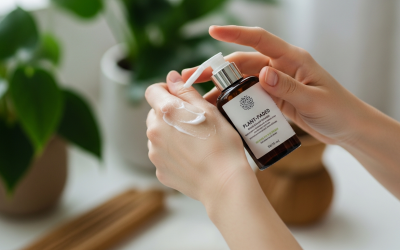
Proper use matters. Peppermint oil should always be diluted with a carrier oil like coconut or jojoba before skin application. Direct contact with eyes must be avoided, and people with sensitive skin should perform a patch test first.
Peppermint works best when paired with behavioral changes such as stretching the neck and shoulders and taking regular breaks from screens.
Not all headaches start in the muscles. Many begin with emotional overload. Long periods of stress tighten breathing, elevate heart rate, and keep the nervous system in alert mode. Lavender oil has long been associated with calming effects, and modern studies support this traditional use.
A 2022 study in Evidence-Based Complementary and Alternative Medicine reported reduced headache frequency among participants who used lavender aromatherapy before sleep. Improved sleep quality appeared to play a key role.
One healthcare worker in Toronto shared that she began using lavender oil after night shifts when her headaches often followed emotional exhaustion. Instead of lying awake with racing thoughts, she diffused lavender while doing slow breathing. Over several weeks, she noticed both fewer headaches and faster recovery after stressful days.
Lavender works gently and gradually. It supports relaxation, improves sleep patterns, and lowers anxiety, all of which reduce headache triggers over time rather than acting as instant pain blockers.
For people dealing with both headaches and emotional strain, lavender becomes part of a broader wellness routine rather than a one-time remedy.
When headaches come with facial pressure, blocked breathing, and congestion, sinus inflammation may be involved. In these cases, eucalyptus oil offers a different kind of support.
Eucalyptus contains eucalyptol, which helps open nasal passages and improve airflow. By reducing sinus pressure, it may relieve the type of headache caused by congestion and infection.
A traveler who frequently experienced headaches during seasonal allergies began using steam inhalation with eucalyptus oil. By adding a few drops to hot water and inhaling the vapors, he found that his breathing cleared and pressure eased more quickly than with saline spray alone.
Safety remains essential. Steam inhalation should be done cautiously to avoid burns, and eucalyptus oil should never be ingested without medical supervision.
While eucalyptus does not treat infections, it can ease symptoms and improve comfort while the body heals naturally or with medical care when needed.
Some headaches are linked to poor circulation or mental fatigue. Rosemary oil has stimulating properties that may improve blood flow and mental clarity.
Research published in Psychiatry Research suggested that rosemary aroma enhanced cognitive performance and alertness. While not directly focused on headache treatment, improved circulation and reduced mental fatigue may indirectly reduce headache frequency for some individuals.
A university student preparing for exams noticed that headaches often followed long hours of intense study. After learning about rosemary oil, he began using it during short breaks to refresh his senses. Combined with hydration and movement, his study sessions became more sustainable.
Rosemary oil suits people who feel foggy and drained when headaches appear. It should be used cautiously by individuals with high blood pressure or epilepsy, as stimulating oils may not suit all health conditions.
Single oils work well for some people, while others respond better to blends that address multiple triggers at once. Many commercial headache relief roll-ons combine peppermint, lavender, and eucalyptus to target muscle tension, stress, and sinus pressure simultaneously.
However, personal sensitivity varies. Some people find strong scents overwhelming during headaches, while others prefer subtle blends.
A wellness coach in California began customizing blends for her clients based on their headache patterns. Those with desk-job strain leaned toward peppermint and rosemary, while emotionally stressed clients preferred lavender-based blends. Over time, personalization improved results more than relying on generic solutions.
When choosing commercial products, ingredient transparency matters. Avoid synthetic fragrances, and look for botanical names on labels. Quality oils may cost more, but they reduce the risk of skin irritation and respiratory discomfort.
This is where informed product review becomes part of responsible wellness practice, not impulsive purchasing.
Essential oils are powerful plant extracts. Small amounts go a long way. Safe usage ensures that helpful routines do not become sources of irritation or harm.
Dilution remains the most important step. For adults, a 1 to 2 percent dilution is generally recommended for topical use. That equals about six to twelve drops of essential oil per ounce of carrier oil.
Inhalation methods include diffusers, steam inhalation, or placing a drop on a cotton pad nearby. These methods avoid direct skin contact while still delivering aromatic benefits.
Certain people should consult healthcare providers before use, including pregnant individuals, those with asthma, and people managing chronic medical conditions.
For readers exploring broader stress management strategies alongside natural remedies, you may find this guide helpful on managing daily stress effectively:
https://thegangchil.com/10-ways-to-control-stress-for-better-mental-health-and-balanced-living/
Essential oils work best when paired with hydration, balanced meals, ergonomic posture, and regular movement. They support the body but cannot replace basic physiological needs.
Headache relief improves when prevention becomes part of daily habits rather than reaction after pain begins.
Morning routines may include brief stretching, hydration, and light aromatherapy to prepare the nervous system for the day. Midday breaks help reset posture and breathing patterns. Evening rituals support sleep quality, which strongly influences headache frequency.
One office manager created a simple routine: peppermint during midday breaks, eucalyptus after gym sessions, and lavender before bedtime. Over months, she reported fewer headache episodes and better overall energy.
Wellness routines do not need to be complicated. Consistency matters more than intensity. Gentle, repeatable habits gradually reduce the triggers that lead to discomfort.
Readers interested in holistic lifestyle changes may also explore daily self-care practices that support long-term mental and physical balance:
When oils become part of structured routines, they stop being emergency solutions and start acting as supportive companions in healthier living.
The popularity of essential oils has attracted both reputable producers and misleading marketing. Labels such as “therapeutic grade” have no official regulatory definition, which can confuse buyers.
Trusted brands provide botanical names, country of origin, extraction methods, and third-party testing reports. Price alone does not guarantee quality, but extremely cheap oils often indicate dilution or synthetic additives.
A family in Germany learned this after experiencing skin irritation from a bargain-priced oil purchased online. When they switched to properly tested products, those reactions stopped completely.
Product review should focus on transparency rather than branding promises. Consumers benefit most when they understand what they are applying and how it was produced.
Independent testing organizations and consumer health publications often review essential oil quality and sourcing. One useful overview of aromatherapy safety and evidence can be found on Healthline’s medical review section, which discusses both benefits and limitations of essential oils for headaches:
https://www.healthline.com/health/essential-oils-for-headaches
Balanced information helps users avoid both unrealistic expectations and unnecessary fear.
While essential oils can ease mild to moderate headaches, they cannot treat underlying medical conditions such as migraines with neurological symptoms, chronic sinus infections, or medication-related headaches.
Warning signs that require medical evaluation include sudden severe headaches, vision changes, numbness, persistent vomiting, or headaches following head injury.
A teacher in New York initially relied solely on natural remedies for recurring headaches. When symptoms worsened and included visual disturbances, medical testing revealed migraine disorder. With proper diagnosis, she now combines prescribed treatment with gentle aromatherapy for stress management, achieving better overall control.
Responsible wellness includes knowing when to seek professional care. Natural remedies work best as complementary support rather than replacements for necessary medical treatment.
Headaches remain one of the most common health complaints worldwide, yet they do not always require harsh interventions. The best essential oils for headache relief offer gentle, supportive comfort when used thoughtfully and safely. From peppermint’s cooling relief to lavender’s calming influence, these natural tools help many people manage discomfort while supporting broader Health and Wellness goals.
What matters most is not chasing instant fixes, but building daily habits that reduce triggers and support nervous system balance. Oils work best when they become part of intentional routines, not isolated solutions.
If you are exploring natural wellness strategies, consider learning how small lifestyle shifts and stress-management techniques work together with remedies like aromatherapy.
👉 Read more helpful wellness guides at https://thegangchil.com/
👉 Share your experience in the comments and explore the next article for deeper self-care strategies.
Your body often whispers before it screams. Learning to listen may be the most powerful remedy of all.
Can essential oils completely cure headaches?
No. They may help relieve symptoms and reduce frequency for many people, but they do not cure underlying medical conditions.
How quickly do essential oils work for headaches?
Some people feel relief within minutes, especially with peppermint. Others notice gradual improvement over repeated use as stress levels decrease.
Are essential oils safe for daily use?
When properly diluted and used responsibly, many oils are safe for regular use. Sensitivity varies, so patch testing and moderation remain important.
Can children use essential oils for headaches?
Children require much lower dilutions and specific oils. Always consult pediatric safety guidelines or healthcare professionals first.
Posted 7:00 pm | Wednesday, 11 February 2026
| nm