
Chronic Disease Management Herbal Aids: A Practical Guide to Natural Support
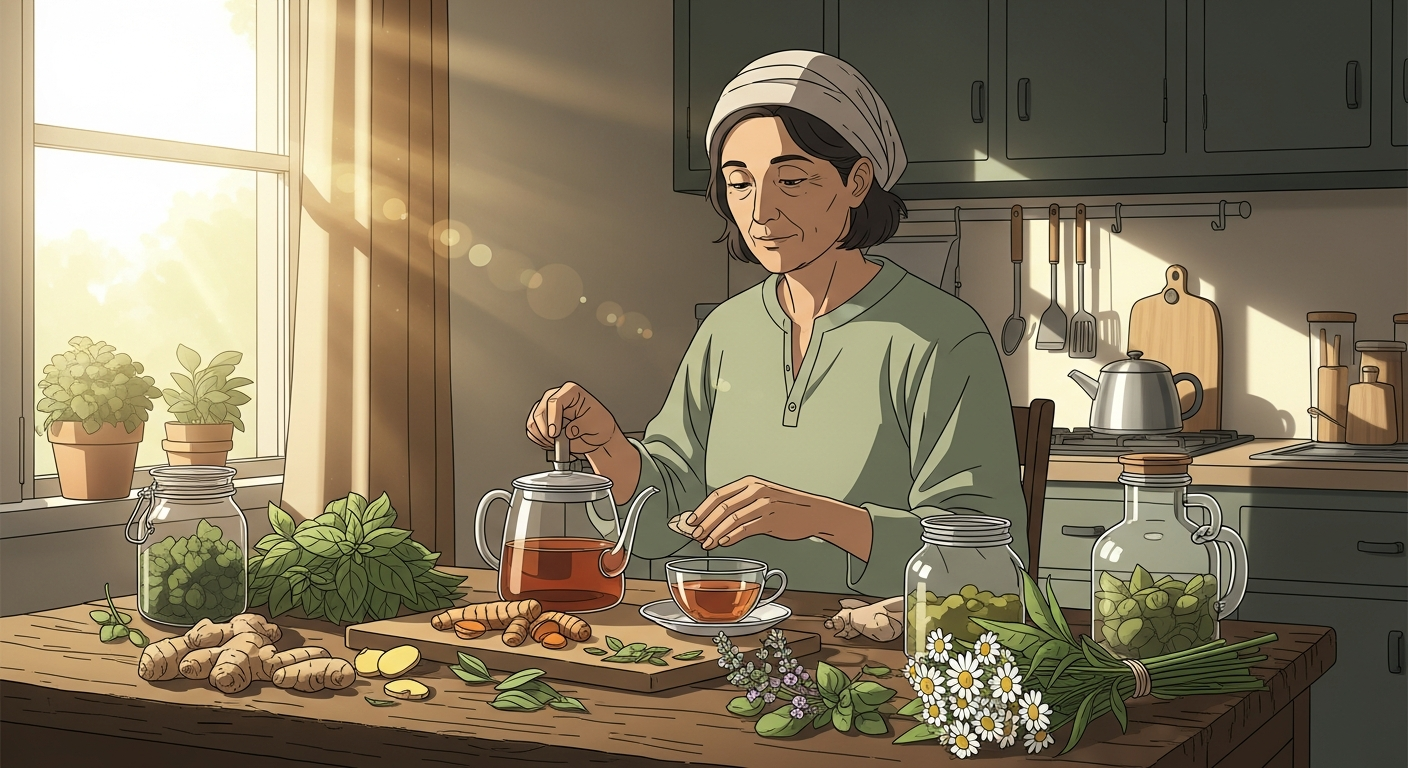
A few years ago, a friend told me about her father’s morning ritual. Before breakfast, he would quietly brew a cup of turmeric and ginger tea. It wasn’t just a habit. It was part of how he managed his long-term joint pain and blood sugar challenges.
Across cultures and generations, people have turned to plants for healing. Today, interest in chronic disease management herbal aids is growing again as more individuals search for natural ways to support long-term health.
Chronic illnesses such as diabetes, heart disease, arthritis, and digestive disorders often require lifelong care. Medication and medical guidance remain essential. Yet many herbal remedies can complement these treatments, helping reduce inflammation, support metabolism, and improve daily wellbeing.
This guide explores how herbal aids work, which plants show promising benefits, and how to incorporate them safely into everyday life.
What Science Actually Says About Herbal Support
Imagine your body as a complex orchestra. When one system becomes out of balance, others can struggle to stay in rhythm. Herbal medicine often works by gently supporting several systems at once rather than targeting a single symptom.
The World Health Organization reports that about 41 million people die each year from chronic diseases, representing 74% of global deaths (WHO, 2023). Many healthcare systems now study lifestyle and complementary strategies that may help manage these conditions.
Herbs contain compounds called phytochemicals. These natural substances may influence inflammation, immune function, and metabolic health. For example, turmeric contains curcumin, a compound widely studied for anti-inflammatory effects.
Traditional herbal systems such as Ayurveda and Traditional Chinese Medicine have documented plant-based remedies for chronic illness for more than 2,000 years.
Modern research is still exploring how these traditional practices translate into evidence-based healthcare. Still, emerging studies suggest that certain herbs can support long-term health when used responsibly.
How Herbal Remedies Work in the Body
Herbal remedies influence the body through several biological pathways. Unlike many synthetic medications that target one receptor or enzyme, plant compounds often act in multiple ways.
Herbal medicine refers to the use of plant-derived substances such as leaves, roots, seeds, and extracts to support health and manage symptoms.
Many herbs work through these mechanisms:
| Herb | Main Benefit | Common Use | Typical Form |
|---|---|---|---|
| Turmeric | Anti-inflammatory support | Joint health, metabolic balance | Powder, capsule |
| Ginger | Digestive and anti-inflammatory | Gut health, nausea | Tea, fresh root |
| Garlic | Heart health support | Cholesterol balance | Raw, extract |
| Cinnamon | Blood sugar regulation | Metabolic support | Powder, tea |
| Holy Basil | Stress adaptation | Immune support | Tea, capsules |
These herbs do not replace medical treatment. Instead, they can support healthy biological processes that influence chronic disease outcomes.
Signs Your Body May Benefit From Herbal Support
Many people living with chronic conditions notice patterns in how their bodies respond to stress, diet, and lifestyle habits.
You might feel persistent fatigue, digestive discomfort, inflammation, or fluctuating energy levels. While these symptoms can have many causes, they often reflect deeper systemic imbalance.
The Centers for Disease Control and Prevention notes that 6 in 10 adults in the United States live with at least one chronic disease (CDC, 2023). This reality explains why interest in supportive wellness practices continues to grow.
Herbal approaches sometimes help people manage everyday symptoms associated with chronic conditions, such as mild inflammation or digestive issues.
Herbal remedies can interact with prescription medications. Always consult a healthcare professional before adding herbs if you have a chronic illness or take medication.
Understanding these signals allows individuals to build a more supportive health routine over time.
Expert Insight: What Integrative Medicine Says
Integrative medicine specialists often combine conventional treatment with evidence-informed lifestyle strategies.
Dr. Andrew Weil of the University of Arizona has long emphasized the potential of botanical medicine as part of holistic care. His research and clinical guidance highlight herbs that may reduce inflammation and support metabolic health.
Several studies indexed in PubMed explore herbal compounds like curcumin, garlic extract, and green tea catechins for their potential roles in chronic disease support.
“Lifestyle choices and natural compounds can influence the body’s inflammatory response, which is central to many chronic diseases.”
Dr. Weil often recommends combining anti-inflammatory herbs with a Mediterranean-style diet rich in vegetables, olive oil, and whole grains.
This integrated approach reflects a growing philosophy in modern healthcare: supporting the body’s natural resilience while addressing disease medically.
How to Use Herbal Aids Safely in Daily Life
Incorporating herbal remedies into everyday routines does not require complicated protocols. Small, consistent steps tend to work best.
Choose a single herb such as turmeric or ginger. Observe how your body responds over several weeks.
Culinary herbs are often the safest starting point because they are commonly consumed in everyday diets.
Herbal teas, smoothies, or spice blends can turn wellness practices into simple daily habits.
Herbal benefits typically appear gradually. Consistent use over weeks or months produces better results than occasional use.
Notice improvements in digestion, energy, or inflammation levels. Journaling helps identify patterns.
These small adjustments often create a stronger foundation for long-term health management.
Conclusion
Living with a chronic condition can feel overwhelming at times. Yet health rarely depends on a single solution. It grows from a collection of daily choices.
Key Takeaways
- Herbal remedies may support inflammation control and metabolic balance.
- Plants like turmeric, ginger, garlic, and cinnamon have promising research.
- Herbal aids work best alongside medical care and healthy lifestyle habits.
When approached thoughtfully, herbal traditions can complement modern medicine in meaningful ways. They remind us that healing often begins with small everyday rituals.
If you enjoyed this guide, consider subscribing to our newsletter or explore more wellness articles on thegangchil.com for practical health insights.