

Your brain is the command center of your body, and just like your heart or muscles, it depends heavily on what you eat. A balanced, nutrient-rich diet not only fuels your body but also strengthens memory, focus, mood, and overall cognitive function. In this guide, we explore scientifically backed foods that nourish the brain, protect against cognitive decline, and support lifelong mental well-being.
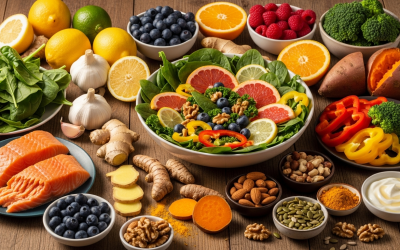
Fatty fish—such as salmon, sardines, mackerel, and trout—are among the richest sources of omega-3 fatty acids.
These healthy fats support:
Experts recommend enjoying fatty fish at least twice a week to support optimal cognitive function.
Blueberries are rich in anthocyanins—potent antioxidants that reduce inflammation and oxidative stress in the brain.
Research links blueberries to:
Enjoy them fresh, blended into smoothies, or sprinkled on yogurt.
Nuts (especially walnuts) and seeds like flaxseed and sunflower seeds provide healthy fats, antioxidants, and vitamin E.
Walnuts, high in alpha-linolenic acid (ALA), are particularly beneficial for cognitive performance.
A small handful daily can help protect your brain from age-related decline.
Spinach, kale, broccoli, and other greens supply vitamins and antioxidants essential for brain health, including:
These nutrients help slow cognitive decline and support memory formation. Add them to salads, stir-fries, soups, or smoothies.
The brain thrives on a stable supply of energy—and whole grains deliver it.
Foods like oats, quinoa, brown rice, and whole-grain bread provide:
These support concentration, balanced energy levels, and long-term brain health.
Eggs are one of the best natural sources of choline, a nutrient crucial for producing acetylcholine—a neurotransmitter involved in memory and learning.
They also contain vitamin B6 and B12, which help slow brain shrinkage.
Start your morning with eggs for a cognitive kick-start.
Dark chocolate (70% cocoa or more) contains flavonoids, antioxidants, and a mild dose of caffeine.
These compounds support:
A small daily square can offer big brain benefits.
Packed with monounsaturated fats, avocados improve blood flow to the brain.
They also provide vitamin K and folate, which help protect against stroke and cognitive impairment.
Enjoy them on toast, in salads, or blended into smoothies.
Both beverages contain antioxidants and caffeine that improve:
Green tea also contains L-theanine, an amino acid that promotes calm focus without drowsiness—perfect for productive days.
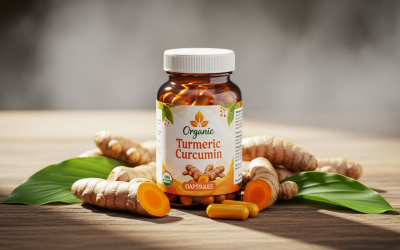
Turmeric contains curcumin, a powerful antioxidant and anti-inflammatory compound capable of crossing the blood-brain barrier.
Benefits include:
Add turmeric to curries, soups, or golden milk for daily benefits.
Oranges, lemons, grapefruits, and other citrus fruits are loaded with vitamin C—essential for preventing oxidative stress and supporting neurotransmitter production.
A vitamin C-rich diet is linked to improved memory and decision-making.
Affordable and nutrient-dense, beans and lentils provide:
They help stabilize blood sugar—your brain’s primary energy source—leading to better concentration and improved cognition.
Pumpkin seeds supply essential minerals like zinc, copper, iron, and magnesium.
These nutrients contribute to:
Use them as snacks or salad toppings for a nutrient boost.
Even mild dehydration can impair focus, memory, and mood.
Aim for at least 8 glasses of water per day, and include hydrating foods like cucumbers, oranges, and watermelon.
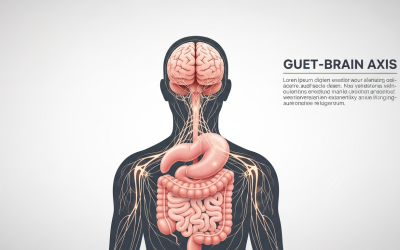
The gut directly communicates with the brain through the gut–brain axis.
Foods like yogurt, kefir, kimchi, and fermented vegetables support:
Include a serving of probiotic foods daily for better mental wellness.
Your diet plays a powerful role in shaping your cognitive performance, emotional balance, and long-term brain health.
By consistently incorporating these brain-boosting foods into your meals, you can support sharper thinking, stronger memory, and a healthier mind throughout life.
http://localhost/gangchil/mental-health-tips-for-teens-stay-positive/
Posted 12:32 pm | Tuesday, 07 January 2025
| nm