

On a quiet evening in Toronto, Sarah stared at her dinner plate. She wasn’t hungry, yet she kept eating. The day had been long. Emails never stopped. Her body felt tight. Her thoughts raced.
Later, she realized something important. Her stress was not only in her mind. It was shaping how she ate.
For many people, stress and food are deeply connected. When stress rises, nutrition often becomes unbalanced. Meals get skipped. Sugar cravings grow. Energy drops.
This is where stress and nutrition balance tips become essential. Not as rules. Not as diets. But as gentle support for a healthy life. This article explores how everyday food choices can steady stress, protect mental health, and support long-term health and wellness—without pressure or perfection.
Stress is no longer rare. It is part of modern life. According to the World Health Organization, chronic stress is now linked with sleep problems, digestive issues, and emotional imbalance across all age groups
👉 https://www.who.int/teams/mental-health-and-substance-use
At the same time, stress changes how people eat. Some eat less. Others eat more. Many rely on fast, processed foods.
Research shared by Harvard Health Publishing shows that stress hormones can affect blood sugar, appetite, and digestion
👉 https://www.health.harvard.edu/staying-healthy/why-stress-can-make-you-gain-weight
When stress and nutrition fall out of balance, the body stays in a constant “alert” state. Over time, this affects health and fitness and emotional well-being.
Under stress, the body releases cortisol. This hormone helps short-term survival. However, when stress continues, cortisol remains high.
The Cleveland Clinic explains that prolonged cortisol release can increase cravings for salty, sugary, or high-fat foods
👉 https://health.clevelandclinic.org/how-stress-affects-your-body
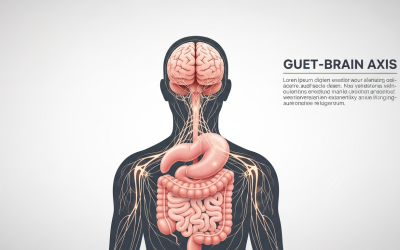
Meanwhile, digestion slows. Nutrient absorption becomes less efficient.
As a result:
Balanced nutrition does not remove stress. But it helps the body respond with more stability.
Stress is not only emotional. It is physical.
The Mayo Clinic notes that steady meals with balanced nutrients support nervous system regulation
👉 https://www.mayoclinic.org/healthy-lifestyle/stress-management
This means food can either:
At TheGangchil.com, we often explore this connection in related topics like:
A balanced approach respects both the mind and the body.
Rahim, a software engineer in Dhaka, worked long hours from home.
Over time, his meals became irregular. Coffee replaced breakfast. Snacks replaced lunch.
He noticed:
Instead of drastic changes, he began eating three simple meals daily.
Nothing fancy. Just regular timing.
Within weeks, his stress felt more manageable. His focus improved. His energy returned.
Studies indexed by NIH / PubMed support this pattern. Regular meals help stabilize blood sugar and stress responses
👉 https://pubmed.ncbi.nlm.nih.gov/
These tips are gentle, not strict. Eat at Predictable Times
Regular meals signal safety to the body.
This supports hormonal balance.
The CDC highlights consistent eating as helpful for energy and mood stability
👉 https://www.cdc.gov/nutrition/index.html
Even simple meals are enough.
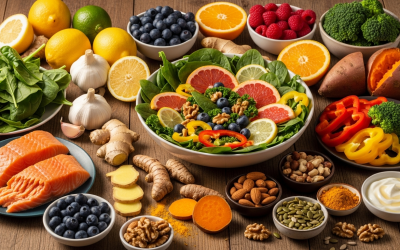
Some foods support relaxation naturally. Research suggests benefits from:
Harvard Health notes that these foods support brain and nervous system health
👉 https://www.health.harvard.edu/nutrition
This does not mean avoiding comfort foods completely. Balance matters more.
Mild dehydration can increase fatigue and stress feelings.
The WHO emphasizes hydration as a basic pillar of health
👉 https://www.who.int/news-room/fact-sheets/detail/drinking-water
Water, herbal teas, and soups all count.
Stress often grows when food feels controlled.
A sustainable eco friendly lifestyle favors:
This approach reduces decision fatigue. It also supports emotional ease.
Many cultures naturally follow this rhythm. Their food supports calm, not urgency.
Globally, wellness research is shifting. Nutrition is no longer viewed only as fuel.
The WHO and major health institutions now emphasize food’s role in emotional resilience
👉 https://www.who.int/teams/mental-health-and-substance-use
This trend supports more human-centered health and wellness models.
Stress may be unavoidable. But how we nourish ourselves can soften its impact.
Balanced nutrition is not about control. It is about rhythm, kindness, and consistency.
One calm meal can change the tone of a whole day.
Tonight, try one simple thing. Eat without rushing. Notice how your body responds.
Can food really reduce stress?
Food supports the body’s stress response. It does not remove stress, but it helps regulation.
Do I need special foods for stress balance?
No. Regular, balanced meals matter more than special ingredients.
Does stress affect digestion?
Yes. Stress can slow digestion and reduce nutrient absorption.
Is emotional eating always bad?
No. Awareness and balance are more helpful than guilt.
| All content is research based and written by a verified expert in holistic health, mindful living, and sustainable wellness communication. |
Posted 1:48 pm | Tuesday, 06 January 2026
| nm